
Pests
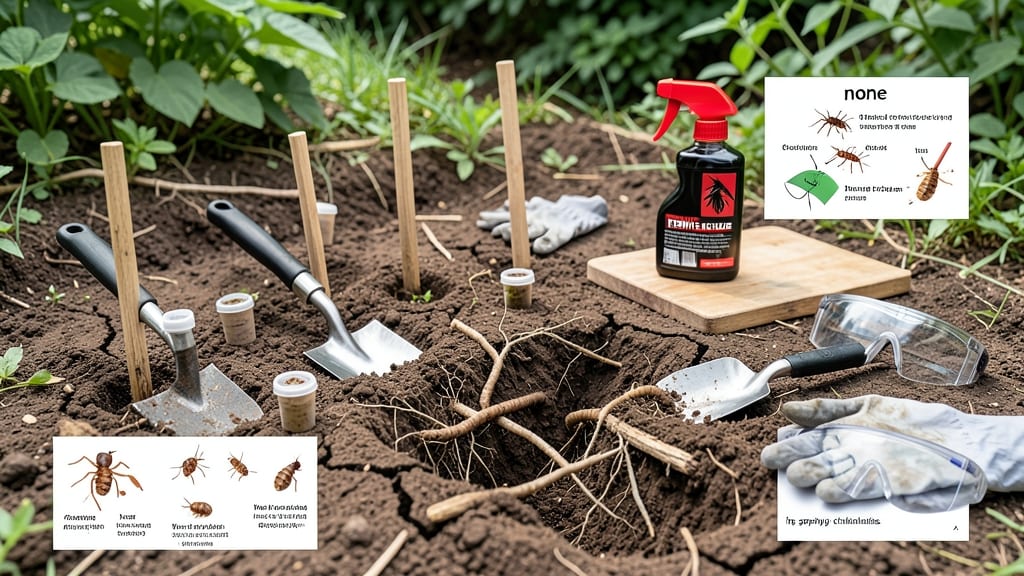
How to get rid of termites in the soil—before they turn your garden into a maze of tunnels and ruin your plants. 🌱 I’ve seen firsthand how quickly they can transform fertile earth into destruction—until I discovered this boiling water barrier method that actually works. The key is targeting their mud tubes and colonies directly with 180°F water, which smothers them without harsh chemicals. You’ll need a long-handled pot, a shovel, and about 30 minutes of focused work per affected area. No digging required—just precision pouring where you spot their trails. By the time you’re done, the soil stays termite-free for months, and your plants get the stable foundation they need. The barrier works best in dry conditions, so plan your treatment on a warm, sunny day for maximum effectiveness. This method keeps your garden thriving while avoiding the collateral damage of chemical sprays. Ready to reclaim your soil? Let’s get started with the step-by-step approach.
Root Causes Of Termites In Soil
Termites don’t just appear—they’re drawn to your property by a mix of environmental, structural, and biological factors. Understanding these triggers is the first step to stopping them before they build underground colonies that threaten your home. Here’s why they’re showing up in your soil in the first place.
Termites thrive in damp, oxygen-limited environments, and your soil might be their dream real estate. Here’s how moisture plays a role:
- Water Leaks: Burst pipes, AC condensation lines, or irrigation systems near foundations seep water into the ground, creating a termite magnet.
Subterranean termites (the most destructive species) need moisture to survive—they can’t live in dry soil for long. - Poor Drainage: Flat landscapes or compacted soil prevent water from draining away, leaving the ground soggy.
Termites follow moisture gradients, moving toward these saturated zones. - High Humidity: Areas with frequent rain, poor ventilation, or proximity to water bodies (like lakes or retention ponds) maintain high soil moisture levels, inviting termites to nest. - Wood Debris: Decaying wood, stumps, or mulch in contact with moist soil accelerates fungal growth, which termites love to eat.
The fungi break down cellulose, making the wood easier for termites to digest—and the soil around it stays damp.
Pro Tip: 🌡️ Use a soil moisture meter (available at hardware stores) to check levels near your foundation. If it reads above 20%, you’ve got a termite risk zone.
Termites are nature’s recyclers—but they’re not picky about what they recycle. Any cellulose-based material in or near your soil becomes a buffet:
- Hidden Wood: Termites don’t need direct access to your house to start.
They’ll colonize in: - Dead tree roots or stumps near your property. - Firewood piles stored against the home. - Untreated wood decking, fences, or latticework touching the ground. - Cardboard boxes or paper mulch in garden beds. - Structural Weaknesses: Cracks in concrete slabs, gaps in crawl spaces, or loose siding give termites a highway to your home’s wooden framework.
Once inside, they’ll expand their colony using your soil as a bridge. - Landscaping Choices: Mulch (especially untreated wood chips) and ground covers like ivy can trap moisture and provide cellulose. Opt for inorganic mulch (like gravel or rubber) if termites are already a problem.
Warning: 🚨 Termites can travel 100 feet or more from their original nest to find food. If you see mud tubes (their protective highways) on your foundation, the colony could be far from your home.
Termites are cold-sensitive and avoid direct sunlight.
They’ll nest in soil that offers: - Shade and Insulation: Areas under patios, porches, or overhangs stay cooler and more humid—ideal for termite activity. - Thick Vegetation: Dense shrubs or tall grass near the foundation create microclimates with stable temperatures and high humidity. - Poor Ventilation: Basements, crawl spaces, or attics with trapped heat (from poor insulation or blocked vents) radiate warmth into the soil below, signaling termites to move in.
Science Note: Termites regulate their environment by maintaining 60–80% humidity in their tunnels. If your soil meets this condition year-round, they’ll stick around.
Termites don’t just wander in—they expand. Here’s how: - Swarmers (Alates): Winged termites emerge during warm, rainy seasons to mate and start new colonies.
If you see them near windows or lights, a nest is nearby (often in soil). - Mud Tubes: These pencil-sized tubes are termite superhighways, connecting their underground nest to food sources.
If you spot them, the colony is already established. - Undetected Infestations: Older homes with untreated wood may have silent colonies for years.
Termites can consume 1/8th of an inch of wood per year—by the time you notice damage, the soil around your home is already riddled with their tunnels.
Key Insight: 🔍 Termites avoid light and dryness. If your soil is dark, crumbly, and stays moist, it’s a termite hotspot. Check for:
- Hollow-sounding wood (tap it—if it sounds hollow, they’re inside).
- Tiny holes in drywall or baseboards (frass, or termite droppings).
- Swarms of winged insects after rain (they shed wings after mating).
Termite Solutions That Actually Work
Termites in your soil don’t just vanish on their own—they thrive until you take action. The good news? With the right approach, you can eliminate them permanently and protect your property.
Below, we’ll break down targeted fixes based on the root cause, from natural remedies to professional-grade solutions. Plus, we’ll share prevention tips to keep termites from creeping back.
Termites love damp, waterlogged soil—it’s their buffet table. If your yard is soggy, they’ll party there all year.
How to Fix It:
- 💡 Drain the Area: Install French drains or extend downspouts away from your foundation. Redirect water to a dry well or rain garden.
- 🌡️ Improve Soil Drainage: Mix in sand or gravel to loosen compacted soil. Avoid overwatering plants near your home.
- ☀️ Sunlight is Key: Trim overhanging branches and thin dense shrubs to increase airflow and reduce humidity near your home’s perimeter.
Prevention Pro Tip: ✨ Use a Moisture Meter to check soil dampness. Termites avoid soil with a moisture level below 20%. If it’s higher, fix leaks or adjust irrigation.
Piles of wood—stumps, firewood, or old lumber—are termite buffets. They build colonies right under your nose.
How to Fix It:
- 🔪 Remove & Replace: Clear all wood debris within 10 feet of your home. Chip stumps and compost the wood (or burn it safely).
- 🏡 Store Firewood Properly: Keep stacks 20+ feet away from your house and elevated off the ground (use metal racks).
- 🛠️ Seal Wood Contacts: Replace rotten wood around decks, fences, or sheds with termite-resistant materials like metal or treated lumber.
Prevention Pro Tip: 💡 Inspect Regularly: Check for mud tubes (termite highways) on walls or foundations. If you see them, act fast—they mean an active colony nearby.
Termites sneak in through tiny cracks in your foundation, crawl spaces, or utility lines.
How to Fix It:
- 🛡️ Seal Gaps: Use silicone caulk or metal flashing to close cracks in:
- Foundation walls
- Pipe entry points
- Vent covers
- 🏗️ Install Physical Barriers:
- Sand or gravel barriers (termites hate crossing them).
- Metal mesh screens over vents and crawl space openings.
- 🔧 Repair Damaged Wood: Replace hollow-sounding wood (a sign of termite tunnels) with treated or metal alternatives.
Prevention Pro Tip: ✨ Use a Boiling Water Barrier (DIY or pro-grade):
- How it works: Pour boiling water into 1-inch-deep trenches around your foundation. The heat kills termites on contact and creates a permanent barrier.
- Best for: Drywood termites or subterranean termites in accessible soil.
If DIY isn’t cutting it, call a pro. Termite exterminators use non-repellent termiticides (like fipronil or imidacloprid) that soak into the soil, creating a long-term shield.
When to Call an Exterminator: ✅ You see swarmers (winged termites) indoors. ✅ Mud tubes appear inside your walls. ✅ Wood damage is widespread (not just surface-level).
Prevention Pro Tip: 💡 Ask About Bait Stations: Some pros install underground bait systems that slowly eliminate colonies over months.
Once you’ve kicked termites out, keep them out with these habits:
| Action | Why It Works | How Often |
|---|---|---|
| Inspect yearly | Catches early signs before damage spreads | Spring & Fall |
| Keep mulch 6" away | Reduces moisture near foundation | Always |
| Use termite-resistant plants | Avoids attracting termites (e.g., rosemary, lavender) | Plant strategically |
| Monitor for swarmers | Early swarms = active colonies nearby | After rain |
Final Thought: Termites don’t stand a chance when you combine moisture control, wood removal, and smart barriers. Start with boiling water treatments for soil colonies, then lock them out for good. If in doubt, professionals have the heavy artillery—but prevention is always cheaper than repair! 🚫🐜
Frequently asked questions
How do I know if termites are in my soil?
Look for mud tubes (pencil-sized tubes) on walls or foundation, swarmers (winged insects after rain), or hollow-sounding wood when tapped. Check for tiny holes in drywall or frass (termite droppings) near your home's perimeter.
Will boiling water really kill termites in the soil?
Yes! Boiling water at 180°F smothers termites on contact. Pour it into 1-inch-deep trenches along their mud tubes or colony trails. Repeat every 2-3 days for 2 weeks to ensure complete elimination.
Can I use vinegar or orange oil to treat soil termites?
Natural remedies like vinegar or orange oil may repel termites temporarily, but they won’t eliminate established colonies. For best results, combine them with the boiling water barrier method for long-term protection.
How often should I inspect for termites in my yard?
Check your soil and foundation twice a year—spring and fall. Focus on areas with wood debris, poor drainage, or high humidity. Early detection saves your home from costly damage!
Are there termite-resistant plants I can use near my home?
Yes! Plant rosemary, lavender, or mint near your foundation—their strong scents repel termites naturally. Avoid mulch with wood chips, as it attracts moisture and termites.