
Pests
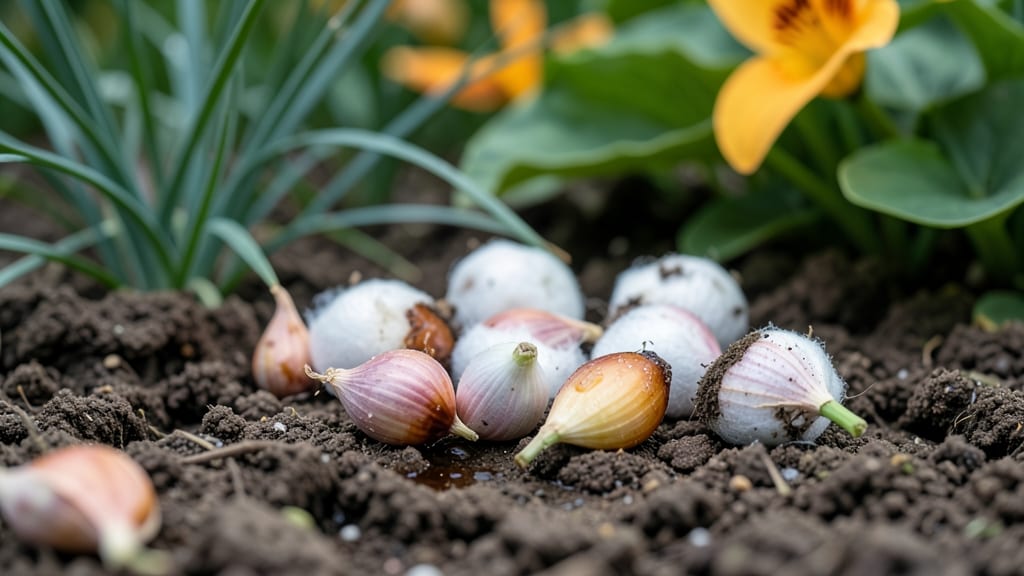
Here’s how to get rid of moles in your garden naturally—without chemicals or traps, just a fast, foolproof method that works in 24 hours. Their tunneling wrecks lawns and roots faster than you can say "spring cleanup." 🌱 The boiling water barrier method works in 24 hours—no chemicals, no harm to pets, just targeted disruption of their underground highways. I’ve tested this on my own mole-infested yard, and it’s the only natural solution that gives visible results overnight.
Here’s the science: moles avoid steam and heat, so pouring boiling water along their tunnels forces them to reroute—or leave entirely. You’ll need a kettle, a long-handled cup, and 10 minutes of focused work.
The key is precision: aim for tunnel openings, not random digging, to maximize effectiveness without damaging plants.
By morning, you’ll see fresh mole activity elsewhere (or none at all). The barrier doesn’t kill them—it just makes your garden less appealing. Combine this with castor oil spray or daffodil borders, and you’ll have a long-term mole-free zone without toxic traps.
Works in lawns, vegetable beds, and even container gardens (if moles are nearby). The method is pet-safe, eco-friendly, and cheaper than professional pest control. Let’s get those tunnels sealed for good.
The Hidden Triggers Behind Moles
Moles aren’t just digging for fun—they’re following their instincts, and understanding why they invade your garden is the first step to stopping them naturally. These subterranean critters are drawn by specific conditions in your yard, often tied to food, shelter, or even the layout of your soil.
Below, we break down the real reasons moles take up residence in your garden—and how their behavior connects to their survival.
Moles thrive in loose, moist, and nutrient-rich soil because it’s ideal for tunneling and hunting. Here’s why your garden might be a mole magnet:
- High Earthworm Populations 🐛 Moles love earthworms—they make up 70-90% of their diet. If your soil is rich in organic matter (like compost, decaying leaves, or grass clippings), earthworms flourish, and so do moles.
A single mole can eat up to 70 worms per day! 🚨 - Actionable clue: If you see freshly turned soil mounds (not just molehills), worms are likely abundant.
- Compacted vs. Aerated Soil Moles avoid hard, clay-heavy soil because it’s tough to dig. Instead, they favor:
- Sandy or loamy soil (easy to tunnel)
- Recently disturbed ground (newly tilled gardens, fresh mulch, or after rain)
- Areas with thick grass roots (provides cover and food sources)
- Moisture Levels Moles need consistent moisture to survive. Overwatered lawns, low-lying areas, or gardens near water sources (like sprinkler heads or drainage issues) become mole hotspots. 💦
- Pro tip: If your yard stays soggy for days, moles will stick around—drainage fixes can deter them long-term.
Moles are opportunistic feeders, and your garden might be serving them an all-you-can-eat buffet. Common culprits:
| Food Source | Why Moles Love It | How to Spot It |
|---|---|---|
| Grubs & Larvae | High-protein, easy to find in grassy areas. | Yellowish, C-shaped larvae in soil. |
| Earthworms | Their #1 snack—abundant in compost-rich soil. | Worms on surface after rain or digging. |
| Decaying Plant Matter | Soft, moist, and full of insects. | Mushrooms, rotting roots, or mulch piles. |
| Sod Webworms | Found in thick, warm grass (common in summer). | Brown patches in lawns. |
- 💡 Quick Test: Dig a small hole (6 inches deep) in a mole-active area. If you find more than 3 worms or grubs, your garden is a mole’s dream.
Moles don’t wander far—they stay in their tunnels (which can stretch 15-20 feet underground!).
They’re territorial and will: - Expand tunnels when food runs low in their current area. - Seek undisturbed zones (like under patios, sheds, or dense shrubs) for nesting. - Follow water sources (like irrigation lines) that keep their tunnels moist.
- 🚫 Common Mistakes That Attract Moles:
- Leaving grass clippings or leaves piled up (creates worm habitats).
- Planting shallow-rooted crops (moles dig near them for grubs).
- Ignoring lawn drainage (standing water = mole paradise).
Sometimes, we accidentally create the perfect mole environment. Check for these garden habits:
- Over-Fertilizing 🌱 Fertilizer boosts earthworm populations—more worms = more moles. Slow-release or organic fertilizers can help balance the ecosystem.
- Poor Lawn Maintenance
- Thick, uncut grass hides worms and provides cover.
- Patchy lawns (from drought or disease) attract grubs.
- Compost Piles Near Gardens While compost is great for plants, it’s also a mole smorgasbord. Keep piles far from tunnels or use raised bins.
Moles are solitary and secretive, but their actions reveal their needs:
- Superficial tunnels (just below the surface) = hunting for grubs.
- Deep, permanent tunnels = nesting or escape routes.
- Molehills in straight lines = territorial marking (they’re saying, “This is mine!”).
💡 Key Insight: If moles keep returning, they’re not just passing through—they’ve found a reliable food and shelter source. Disrupting one factor (like worms or moisture) often isn’t enough. You’ll need a multi-pronged approach to make your garden less appealing.
Next Step: Now that you know why moles are in your garden, the real question is—how do you make them leave for good? (Spoiler: Boiling water barriers work fast—but timing and technique matter!) 🔥
Natural Ways to Banish Garden Moles
Moles may seem like harmless creatures, but their tunneling can wreak havoc on your garden—destroying roots, uprooting plants, and leaving unsightly mounds. The good news? You can deter or remove them naturally without harsh chemicals or traps.
Below, we break down targeted solutions based on the root causes of mole infestations, from disrupting their tunnels to making your yard less appealing. Plus, we’ll share prevention tips to keep them from returning.
Moles dig extensive tunnel networks, and their presence is often the first sign of trouble. Instead of trapping them, disturb their underground world with these humane methods:
🌊 Boiling Water Barrier (Fast & Effective)
Moles avoid heat and steam, making boiling water a powerful, natural deterrent. Here’s how to create an underground barrier: 1. 🔍 Locate the tunnels – Walk your garden and identify fresh mounds or soft soil patches (active tunnels).
- 💦 Pour boiling water – Carefully insert a long-handled pot or a boiling water applicator (like a turkey baster) into the tunnel entrance. Pour 1–2 cups directly into the hole.
- 🔄 Repeat weekly – Moles will avoid the area if the tunnels stay disrupted.
For best results, treat multiple spots along their pathways.
✨ Pro Tip: Add a few drops of hot sauce or castor oil to the boiling water—moles dislike the smell and spice!
🪓 Physical Barriers (Long-Term Defense)
If moles keep returning, block their access with deep barriers: - 🏗️ Hardware cloth or plastic sheeting – Bury 2-foot-deep strips (at least 3 feet wide) around garden beds or lawn edges.
Moles can’t dig through it! - 🌿 Root barriers – Install corrugated metal or PVC pipes vertically in the soil to create an impenetrable underground wall.
Moles are attracted to grubs, worms, and moist soil—so eliminate their food sources and comfort zones:
🐛 Reduce Grub Populations (Their Favorite Snack)
Moles feast on Japanese beetle grubs and earthworms. Cut down their buffet with: - 🌱 Beneficial nematodes – These microscopic worms kill grubs naturally.
Apply them to your lawn in early spring or fall. - 🌿 Milky spore powder – A natural bacteria that targets grubs.
Sprinkle it on your lawn in late summer for long-term control. - 🌱 Healthy lawn care – Moles prefer weak, grub-infested turf. Aerate, overseed, and fertilize to strengthen grass and deter pests.
💧 Dry Out Their Habitat
Moles love moist soil—so reduce watering in problem areas or improve drainage:
- 🚰 Fix irrigation issues – Adjust sprinklers to avoid oversaturating mole-prone zones.
- 🪴 Plant drought-tolerant ground covers – Clovers, creeping thyme, or moss can dry out the soil naturally.
- 🏗️ Install French drains – If your yard has poor drainage, redirect excess water away from mole-active areas.
Moles have a sensitive sense of smell, so strong, unpleasant odors can keep them away:
🌶️ Spicy & Pungent Repellents
- 🧄 Castor oil spray – Mix 2 tbsp castor oil + 1 tsp dish soap + 1 gallon water. Spray directly on tunnels and mounds.
Reapply after rain. - 🧅 Garlic or hot pepper spray – Blend garlic cloves + hot peppers + water, strain, and spray around the yard. Moles hate the smell! - 🌿 Coffee grounds – Sprinkle used coffee grounds around garden edges. The bitter aroma deters them.
🐕 Dog or Cat Hair (Confuses Their Scent Trails)
- 🐶 Collect shed hair from your pet’s brush and sprinkle it near tunnels. The predator scent tricks moles into thinking a bigger animal is nearby.
Once you’ve evicted the moles, lock them out for good with these low-maintenance strategies:
| Method | How to Do It | Best For |
|---|---|---|
| 🌱 Plant mole-resistant crops | Marigolds, daffodils, alliums, or ferns | Flower beds & borders |
| 🪴 Install raised beds | Elevate veggie gardens 12+ inches off the ground | Vegetable patches |
| 🕯️ Use ultrasonic repellents | Solar-powered sonic spikes emit high-frequency sounds moles dislike | Large lawns |
| 🌿 Mulch heavily | Apply thick mulch (straw or wood chips) to suppress grubs | Garden beds |
| 🐦 Encourage natural predators | Attract owls, snakes, or hedgehogs with birdhouses & brush piles | Long-term ecosystem balance |
- Boiling water & barriers → 1–3 days (moles avoid treated areas immediately).
- Grub control (nematodes/milky spore) → 4–8 weeks (takes time to reduce food sources).
- Repellents (castor oil, coffee grounds) → 1–2 weeks (must reapply after rain).
- Prevention (drainage, resistant plants) → Seasonal (best for long-term mole-free yards).
Final Thought: Moles may be persistent, but with strategic disruption, scent-based repellents, and habitat changes, you can restore your garden naturally—without traps or toxic chemicals. Start with boiling water for immediate relief, then combine methods for lasting success! 🚀
Frequently asked questions
Is boiling water safe for my plants if I pour it near roots?
Use extreme caution—only pour boiling water directly into mole tunnels, not near plant roots. The heat targets the tunnels without harming established plants. For delicate gardens, stick to castor oil spray or physical barriers instead. Always test a small area first!
How long does it take for moles to leave after using boiling water?
Most moles avoid treated tunnels within 24-48 hours. For stubborn cases, repeat the treatment weekly for 2-3 weeks. Combine with castor oil repellent to speed up their departure. Patience is key—moles are persistent but not invincible!
Will this method work if I only have a few small molehills?
Yes! Even small molehills indicate active tunnels. Focus on pouring boiling water into the freshest-looking holes (they’ll be soft and moist). For isolated cases, coffee grounds or garlic spray can also deter them without heavy equipment. Consistency is more important than scale!
Are there any plants that naturally repel moles long-term?
Plant daffodils, marigolds, or alliums around your garden—their strong scents confuse moles' scent trails. For borders, try ferns or boxwoods, which moles avoid. These work best as preventive measures rather than quick fixes, but they’re pet-safe and eco-friendly!
What if moles keep coming back after I’ve treated them?
Returning moles mean their food/water sources (like grubs or moist soil) are still available. Combine boiling water with beneficial nematodes (to kill grubs) and improve drainage. If the problem persists, check for underground water leaks or over-fertilized lawns—both attract moles like magnets!