
How To
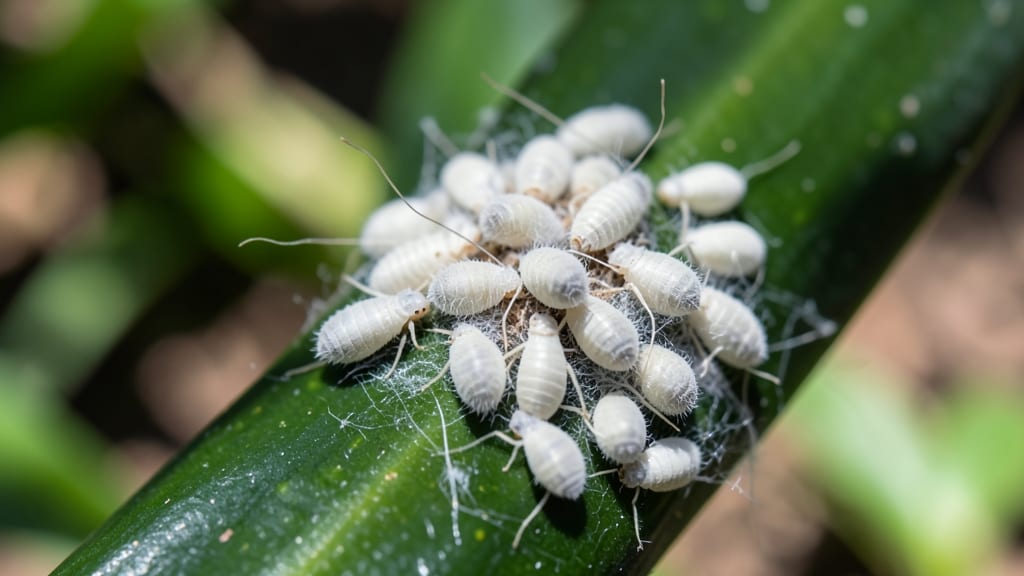
How to get rid of mealybugs on dumb cane—those sticky, white pests are turning your plant’s glossy leaves into a messy nightmare. 🌿 I’ve battled these pests on my Dieffenbachia, and this rubbing alcohol spray works faster than anything I’ve tried—no harsh chemicals, just fast results. The secret? A 1:1 mix of 70% isopropyl alcohol and water, sprayed directly on the bugs. They dissolve in minutes, and your plant recovers within days. Just wear gloves—these pests hide in leaf crevices, and the sap can irritate skin. You’ll notice new growth in 2-3 weeks, with no more cottony clusters ruining your plant’s look. The key is acting fast—once they spread, they’re harder to control. Works for other houseplants too, but always test a small area first. Ready to reclaim your dumb cane’s lush, pest-free glory?
Root Causes of Mealybug Outbreaks
Mealybugs on your Dumb Cane (Dieffenbachia) aren’t just random pests—they’re drawn to specific conditions that make your plant a five-star buffet. Understanding these triggers is the first step to stopping them before they take over. Let’s break down the real reasons these sugary-sucking insects invade your green friend.
Mealybugs thrive in dry environments because their waxy, cotton-like bodies lose moisture quickly when humidity drops below 40%. Your Dumb Cane’s broad leaves transpire rapidly, creating a moisture gradient that attracts these pests. Here’s why it’s a problem:
- Weakened defenses: Low humidity stresses the plant, reducing its ability to produce sticky honeydew (a natural mealybug repellent).
- Dust buildup: Dry air allows dust to cling to leaves, blocking sunlight and creating microclimates where mealybugs hide undetected.
- Indoor heating/AC: Forced-air systems (common in homes and offices) can drop humidity to 20% or lower, turning your plant into a mealybug magnet.
Actionable fix: Aim for 50–60% humidity with a humidifier, pebble tray, or by misting leaves daily (especially in winter).
Mealybugs love stagnant air because it traps honeydew (their favorite sticky snack) and slows the evaporation of their protective wax coating. If your Dumb Cane is tucked in a corner or surrounded by other plants, you’ve created the perfect hiding spot. Key red flags:
- Leaf overlap: Dense foliage traps moisture, creating a humid microclimate where mealybugs multiply unchecked.
- No airflow: Stagnant air prevents beneficial predators (like ladybugs or lacewings) from patrolling your plant.
- Closed spaces: Bathrooms, kitchens, or bedrooms with little ventilation become mealybug hotspots.
Actionable fix: Place your plant near a gentle fan (not direct drafts!) or prune crowded stems to improve airflow. Rotate the pot monthly for even exposure.
Mealybugs are opportunistic parasites—they target plants already struggling to fight back. Your Dumb Cane sends out chemical distress signals (like volatile organic compounds, or VOCs) when:
- Overwatering: Soggy roots release ethanol and acetic acid, which attract mealybugs (they’re drawn to fermenting sugars).
- Underwatering: Drought stress triggers the plant to produce mannitol, a sugar alcohol that mealybugs feast on.
- Nutrient deficiencies: Low nitrogen or phosphorus weakens cell walls, making sap easier to access.
- Physical damage: Pruning cuts or pest bites create entry points for mealybugs to insert their stylets (mouthparts).
Actionable fix: Stick to the finger test for moisture—water only when the top 1–2 inches of soil are dry. Use a balanced 20-20-20 fertilizer every 6–8 weeks to bolster defenses.
Mealybugs don’t jump—they hitchhike. If you’ve recently added new plants, repotted your Dumb Cane, or touched infested leaves, you’ve likely introduced these pests. Here’s how it spreads:
- Shared tools: Using the same scissors, pots, or gloves on an infected plant transfers mealybugs to your Dumb Cane.
- Beneficial insect transfers: Ladybugs or lacewings (bought to control pests) can carry mealybug eggs if not quarantined.
- Greenhouse/nursery visits: Pests often hide in soil or leaf axils of store-bought plants.
Actionable fix: Quarantine new plants for 2–4 weeks, inspect under leaves with a magnifying glass, and sanitize tools with 70% rubbing alcohol between uses.
Now that you know why mealybugs are crashing your Dumb Cane party, the next step is flipping the script with targeted solutions. Stay tuned!
Quick Fixes for Mealybug Infestations
Mealybugs may seem like a stubborn foe, but with the right approach, you can reclaim your dumb cane’s health in no time. Below are targeted solutions tailored to common causes—whether it’s poor hygiene, weak plants, or environmental stress—plus prevention tips to keep your plant thriving long-term.
If mealybugs are clinging to weak or overcrowded growth, your dumb cane needs a reset. These pests thrive where plants are stressed, so pruning and boosting vitality is key.
How to Fix It:
- 🔪 Trim Infested Areas: Use sterilized scissors (wipe with rubbing alcohol) to snip off heavily infested leaves or stems. Dispose of clippings in a sealed bag—never compost them!
- 🌱 Boost Airflow: Space out stems to reduce humidity pockets where mealybugs love to hide. If your plant is root-bound, repot it into a slightly larger container with fresh, well-draining soil.
- 💪 Fertilize Lightly: Feed with a balanced, water-soluble fertilizer (half-strength) to strengthen new growth. Avoid over-fertilizing, which can attract more pests.
💡 Pro Tip: After pruning, wipe down leaves with a damp cloth to remove any lingering eggs or residue.
Mealybugs spread like wildfire when plants aren’t cleaned regularly. A deep clean and quarantine can stop the infestation before it worsens.
How to Fix It:
- 🧼 Scrub Leaves & Stems: Mix 1 part rubbing alcohol (70% isopropyl) with 3 parts water in a spray bottle. Spray directly on mealybugs (they’ll dissolve in minutes!). For stubborn clusters, use a soft toothbrush to scrub them off.
- 🏠 Isolate the Plant: Move your dumb cane away from other houseplants for at least 2 weeks to prevent cross-contamination. Check nearby plants for early signs of infestation.
- 🧴 Neem Oil Spray (Optional): For stubborn cases, spray a neem oil solution (1 tsp neem oil + 1 tsp mild soap + 1 quart water) every 5–7 days for 2 weeks.
✨ Prevention Tip: Wipe leaves monthly with a damp cloth to remove dust and deter pests before they take hold.
Mealybugs adore warm, humid environments—common in bathrooms or kitchens. Regulating humidity and airflow can make your plant less appealing to them.
How to Fix It:
- 💨 Increase Airflow: Place a small fan nearby (on low setting) to improve circulation without damaging leaves.
- 🌡️ Lower Humidity: If your home is consistently humid (above 60%), use a dehumidifier or open windows occasionally. Avoid misting your dumb cane—stick to bottom-watering instead.
- ☀️ Moderate Light: Ensure your plant gets bright, indirect light (no direct sun). Too much heat stress weakens defenses.
🎯 Long-Term Fix: Group plants with succulents or cacti—their dry conditions naturally deter mealybugs.
If mealybugs have taken over, combine mechanical removal with targeted treatments for a knockout punch.
How to Fix It:
| Method | How to Use | Frequency |
|---|---|---|
| Rubbing Alcohol Spray | Spray directly on bugs (they’ll dissolve instantly). | Every 3–4 days until gone |
| Insecticidal Soap | Mix 1 tbsp mild liquid soap + 1 quart water. Spray until dripping. | Every 5 days for 2 weeks |
| Horticultural Oil | Use summer oil (safer for plants). Spray at dusk to avoid leaf burn. | Every 7 days for 3 weeks |
| Beneficial Insects | Release ladybugs or cryptolaemus beetles (sold at garden centers). | One-time release |
🔥 Emergency Hack: For extreme cases, wrap the entire plant in a plastic bag with a neem oil-soaked cotton ball for 24 hours. The bugs will suffocate.
Once your dumb cane is pest-free, proactive care ensures mealybugs don’t return.
Do This Monthly:
- 👨🍳 Inspect Leaves: Check undersides of leaves and leaf axils (where stems meet leaves) with a magnifying glass.
- 🌿 Quarantine New Plants: Keep any new additions separate for 2 weeks before introducing them to your collection.
- 🍃 Rotate Plants: Move them occasionally to prevent overgrowth and improve airflow.
- 🚫 Avoid Overwatering: Let the top 1–2 inches of soil dry between waterings to discourage pests.
Final Thought: Mealybugs may be pesky, but with quick action and smart prevention, your dumb cane will bounce back stronger than ever. Stay vigilant, and your plant will thank you! 🌿✨
Frequently asked questions
Why do mealybugs keep coming back after treatment?
Mealybugs often return because their eggs hide in leaf crevices or soil. After treating visible bugs, inspect hidden areas with a magnifying glass and repeat applications every 3-5 days for 2 weeks to catch newly hatched pests. Also check nearby plants—they may have spread silently.
Is rubbing alcohol safe for my dumb cane's leaves?
Yes, when used properly! The 70% isopropyl alcohol mix (1:1 with water) dissolves mealybugs without harming healthy leaves. Always test a small area first, and avoid oversaturating the soil. For extra safety, apply only to infested spots and wipe excess liquid after 10 minutes.
Can I use neem oil on other houseplants?
Neem oil works on 90% of common houseplant pests, including spider mites and aphids. Just dilute it properly (1 tsp neem oil + 1 tsp mild soap + 1 quart water) and avoid using on plants sensitive to oils (like cacti). Always test a small leaf first to check for reactions.
How do I know if my dumb cane is recovering?
Look for these signs: new growth at the top, fewer sticky residue spots, and no visible mealybugs after 3 weeks of treatment. Healthy leaves will also appear glossier as the plant recovers. If you spot fresh bugs, extend your treatment schedule by another week.
What's the best way to prevent mealybugs from spreading to other plants?
Isolate your infected dumb cane immediately and quarantine new plants for 2 weeks. Clean tools with rubbing alcohol between uses, and avoid touching other plants with contaminated hands. Place a sticky trap near the plant to catch any wandering pests.