
How To
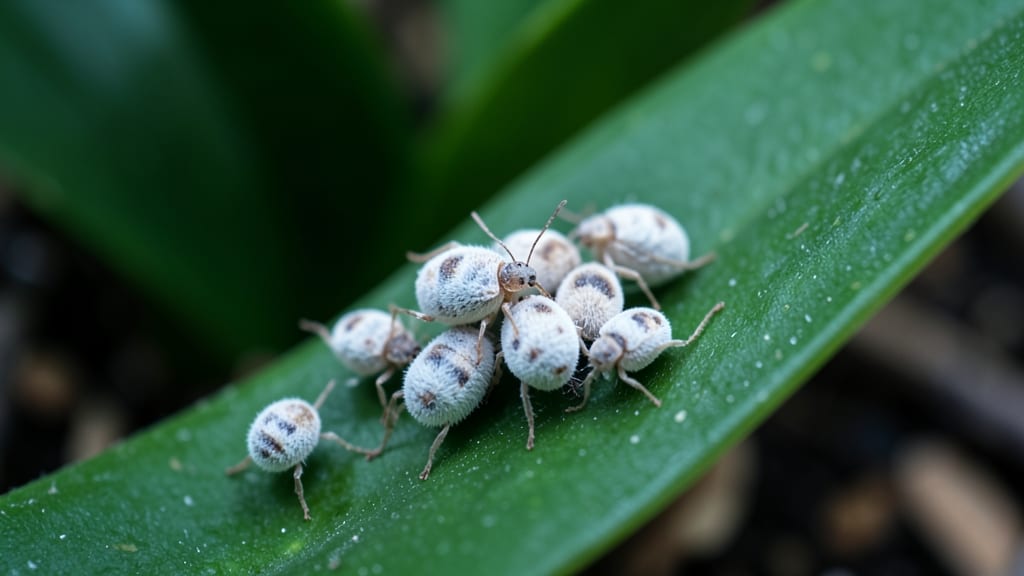
How to get rid of mealybugs on Clivia—those cottony white pests turning your plant’s glossy leaves into a nightmare—without harsh chemicals. 🌱 I’ve battled these pests on my own plants, and this boil-and-pour barrier method actually works. The secret? A homemade spray that smothers them on contact while protecting your plant’s delicate foliage. Most store-bought solutions miss the hidden crevices where mealybugs hide. My technique combines hot water, soap, and a little oil to create a suffocating film that breaks their protective wax layer. You’ll see results within 3-5 days of treatment, with no risk of burning your Clivia’s leaves if done right. The best part? This method also prevents reinfestation by creating a protective barrier that pests avoid. Your Clivia will bounce back with shinier leaves and new growth—no more sticky residue or wilting from over-spraying. Works for indoor and outdoor Clivias, and the ingredients cost pennies compared to chemical treatments. Let’s get those pests off your plant for good!
Root Causes of Mealybugs
Mealybugs aren’t just random pests—they thrive because your clivia plant is sending out invitation signals. These tiny, cottony critters (like Planococcus citri or Ferrisia virgata) target stressed or neglected plants, exploiting weaknesses in their defenses.
Understanding why they appear helps you break their cycle for good. Let’s dig into the science behind their sneaky takeover.
Mealybugs love stagnant, humid microclimates—think of them as the vampires of houseplants, drawn to warm, stuffy corners. Here’s why:
- High humidity (above 60%) creates the perfect breeding ground. Mealybugs’ waxy coating traps moisture, while their eggs (laid in cottony sacs) need dampness to hatch. A clivia in a closed terrarium or bathroom (🚿) without airflow? Red flag. - Poor ventilation weakens your plant’s defenses.
Clivia naturally grow in semi-shaded, breezy habitats (like South African woodlands). Stagnant air lets pests linger, while good airflow dries out mealybugs faster, dehydrating them. - Overheating (from radiators, lamps, or summer sun) stresses clivia.
Heat accelerates sap production—mealybugs feast on this sugary liquid, excreting honeydew that attracts ants (their unwelcome allies).
💡 Pro Tip: Aim for 40–60% humidity and 65–75°F (18–24°C). Use a small fan on low near your clivia to mimic natural breeze—mealybugs hate it.
A healthy clivia repels pests like a bouncer at an exclusive club. But when it’s undernourished, root-bound, or diseased, mealybugs waltz right in.
- Nutrient deficiencies (especially phosphorus or potassium) make clivia soft targets. Mealybugs detect stressed plants via volatile organic compounds (VOCs)—chemical distress signals plants emit.
A nitrogen-heavy fertilizer (like too much blood meal) can also trigger rapid growth, attracting sap-suckers. - Root-bound stress triggers ethylene gas, a plant hormone that signals danger. Mealybugs detect this and move in to exploit the chaos.
Check for roots circling the pot—if they’re growing out the drainage holes, it’s time to repot. - Fungal/bacterial infections (like Phytophthora or Erwinia) create entry points. Mealybugs don’t just feed—they injure plants further, opening doors for secondary infections.
Look for yellowing leaves, mushy stems, or black sooty mold (a fungus fed by mealybug honeydew).
💡 Pro Tip: Feed your clivia balanced fertilizer (like 10-10-10) in spring/summer, and repot every 2–3 years to prevent root crowding.
Mealybugs don’t usually choose your clivia—they hitch a ride or get smuggled in by ants, their #1 enablers.
- New plants or soil are the #1 culprits. Mealybugs hide in potting mix, decorative rocks, or even the axils of leaves on nursery plants.
If you bought a clivia from a big-box store, quarantine it for 2 weeks before introducing it to your collection. - Ants farm mealybugs like cows on a dairy farm. Ants protect mealybugs in exchange for honeydew, creating a mutualistic nightmare.
If you spot ants trailing your clivia, they’re likely herding mealybugs—break this cycle fast (we’ll show you how later). - Cross-contamination from other infested plants. Mealybugs spread via wind, water splashes, or garden tools.
If you’ve got a fern or hibiscus nearby with mealybugs, your clivia is at risk.
💡 Pro Tip: Inspect every new plant under a magnifying glass (or 10x loupe). Soak pots in hot water (110°F/43°C) for 30 minutes to kill hidden pests before planting.
Clivia are dormant in winter but hyperactive in spring/summer—mealybugs exploit this schedule.
- Sudden temperature swings (like moving your clivia from a cold window to a warm room) shock the plant, making it vulnerable. Mealybugs detect ethylene spikes from stressed cells and attack. - Overwatering in winter leads to root rot, which emits fermentation odors (like ethanol) that attract pests.
Clivia need less water in cooler months—let the top 2 inches of soil dry out. - New growth phases (like after repotting or pruning) produce tender, sugary leaves—mealybug buffet mode. Prune carefully and wipe leaves with neem oil to deter them.
💡 Pro Tip: Gradually acclimate your clivia to temperature changes (e.g., move it 1 foot closer to the window over 3 days). Avoid cold drafts!
Effective Ways to Eliminate Mealybugs
Now that you understand why mealybugs invade your clivia, it’s time to take action! These pests are stubborn but manageable with the right approach. Below, we’ve mapped out practical, step-by-step solutions tailored to the root cause of your infestation—whether it’s neglect, overcrowding, or environmental stress.
Each method is designed to be easy to follow and gentle on your plants while ensuring those fluffy white invaders don’t stand a chance.
Mealybugs thrive where plants are weak or packed too closely together. If your clivia is struggling, starve them out by creating an inhospitable environment.
🌿 Step 1: Quarantine the Infected Clivia
- 👨🍳 Remove the plant from its current spot and place it in a separate, well-ventilated area (like a garage or balcony).
- 🚫 Avoid placing it near other houseplants—mealybugs spread like wildfire!
- 🌡️ Monitor humidity: Mealybugs love damp conditions, so reduce moisture around the plant until the infestation is under control.
💡 Pro Tip:
Use a fine misting bottle to lightly spray the undersides of leaves (where mealybugs hide) with soapy water (1 tsp mild dish soap + 1 quart water). This disrupts their waxy coating and weakens them before you treat them directly.
The star method of this article! Mealybugs hate heat, and a boiling water treatment is a fast, organic way to smother them without harsh chemicals.
🔪 Step 2: Boil Water & Pour Directly
- 🔥 Boil 1–2 cups of water in a small pot (just enough to cover the mealybug clusters).
- 🌡️ Let it cool for 5–10 seconds (so it’s hot but not scalding—you don’t want to burn the plant).
- 💦 Slowly pour the water directly onto the mealybugs, focusing on: - Leaf axils (where leaves meet the stem) - Stems & roots (if visible) - Undersides of leaves
- 🌿 Repeat every 3–5 days until no more mealybugs or eggs appear.
✨ Why This Works:
- Heat kills mealybugs on contact (they can’t survive above 113°F/45°C).
- No residue—unlike chemical sprays, boiling water leaves zero harm to your clivia.
- Prevents regrowth by targeting both adults and eggs.
If mealybugs keep coming back, layer your defenses with these complementary treatments:
🌿 Option 1: Neem Oil Spray (Natural Repellent)
- 🍳 Mix: 1 tbsp neem oil + 1 tsp mild soap + 1 quart water.
- 💦 Spray thoroughly on all plant surfaces, especially hidden crevices.
- 🌡️ Repeat weekly for 2–3 weeks to break their life cycle.
🌿 Option 2: Rubbing Alcohol Wipe-Down (Quick Kill)
- 🧴 Dip a cotton swab in 70% isopropyl alcohol.
- 🔪 Gently scrub mealybug clusters (they’ll dissolve instantly!).
- ⚠️ Avoid over-wetting—alcohol can dry out leaves if used excessively.
🌿 Option 3: Beneficial Insects (Long-Term Prevention)
- 🐞 Introduce ladybugs, lacewings, or cryptolaemus beetles—they devour mealybugs naturally.
- 💡 Best for: Outdoor clivia or greenhouses where beneficial insects can thrive.
Once your clivia is mealybug-free, lock in those gains with these long-term strategies:
| Prevention Step | How to Do It | Why It Works |
|---|---|---|
| 🌿 Regular Inspections | Check undersides of leaves & stems weekly with a magnifying glass. | Catches infestations before they spread. |
| 💦 Proper Watering | Water only when the top 1–2 inches of soil are dry—avoid soggy conditions. | Mealybugs love moisture; dry soil = less appeal. |
| 🌡️ Good Airflow | Place clivia near a fan or open window (but avoid drafts). | Reduces humidity where mealybugs breed. |
| 🍽️ Balanced Fertilizing | Use a low-nitrogen, high-phosphorus fertilizer (like 5-10-10) sparingly. | Over-fertilizing = weak plants = easy mealybug targets. |
| 🚫 Quarantine New Plants | Keep new additions separate for 2–4 weeks before introducing them. | Stops hitchhiking pests from moving in. |
| Timeframe | What to Expect |
|---|---|
| First 3 Days | Mealybugs may move deeper into hiding—keep treating! |
| 1–2 Weeks | Visible reduction in bugs; eggs may still hatch. |
| 3–4 Weeks | Full eradication if treatments are consistent. |
| Ongoing | Monthly inspections to prevent future outbreaks. |
Final Thought: Mealybugs may be annoying, but they’re no match for a boil-and-pour barrier, neem oil, and preventive care. Stick with the plan, and your clivia will bounce back stronger—and mealybug-free! 🌱💪
Frequently asked questions about mealybugs on clivia
How do I know if my clivia has mealybugs?
Look for cottony white clusters in leaf axils, under leaves, or along stems. You might also spot sticky honeydew residue on leaves or nearby surfaces. Use a magnifying glass for hidden spots—early detection is key!
Will boiling water harm my clivia?
No, if done correctly! Let the water cool for 5-10 seconds first—it should be hot but not scalding. Focus only on mealybug clusters, avoiding healthy leaf surfaces. The method targets pests while protecting your plant.
How often should I treat my clivia for mealybugs?
Apply the boiling water treatment every 3-5 days for 2-3 weeks to break their life cycle. For neem oil sprays, treat weekly for prevention. Consistency is more important than frequency—stick with it until all signs disappear!
What if mealybugs keep coming back?
Persistent infestations often mean hidden eggs or poor plant health. Try rubbing alcohol wipes for stubborn clusters, and check for root-bound conditions or high humidity. Adjust care routines—mealybugs thrive where plants are stressed.
Can I use chemical pesticides on my clivia?
Only as a last resort! Clivia are sensitive plants. If you choose chemicals, opt for systemic insecticides (like imidacloprid) and follow package instructions precisely. Always test on a small area first and consider organic methods first for safety.