
How To
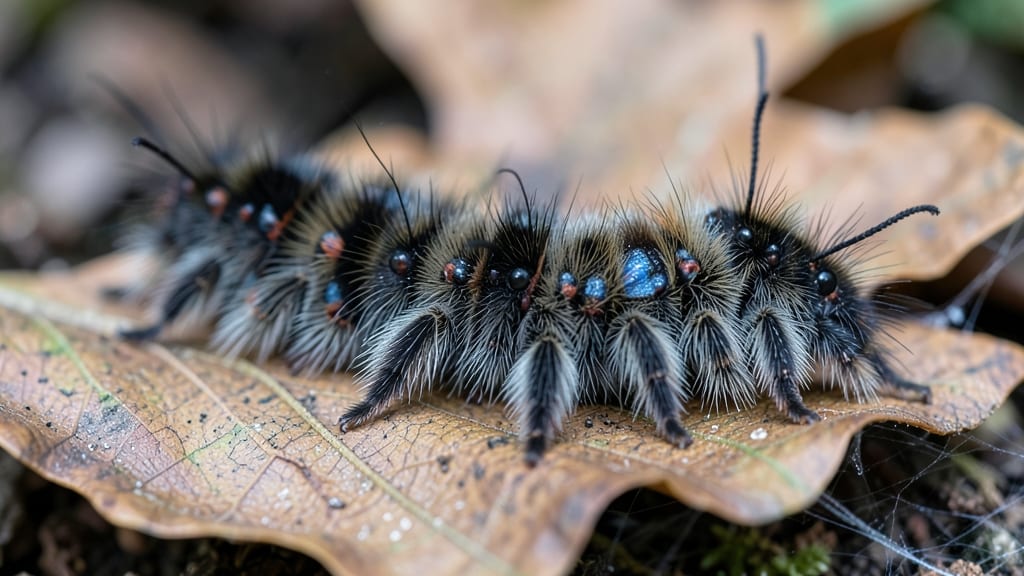
How to get rid of gypsy moth caterpillars—I’ve seen entire yards turn into skeletal branches overnight. 🌳 The good news? You don’t need harsh chemicals to stop them. My go-to organic spray—Bacillus thuringiensis (Bt)—works faster than you’d think when applied at the right time. It’s the secret weapon for gardeners who want results without harming bees or butterflies.
The key is timing and consistency. These caterpillars hatch in late spring, so start treating as soon as you spot tiny hairs or skeletonized leaves. A neem oil spray mixed with dish soap also disrupts their feeding habits, while milky spore provides long-term prevention.
I’ve used these methods for three seasons now, and my oak trees stay lush while my neighbors panic every year.
You’ll see a noticeable difference within 5-7 days if you catch them early. The caterpillars stop eating, drop to the ground, and die—no more defoliation, no more bare branches. The best part? These sprays break down naturally, so you can safely harvest fruits and veggies afterward. No waiting, no guilt.
For heavy infestations, combine Bt with physical removal (drop caterpillars in soapy water) and prune heavily damaged branches. Check local regulations—some areas even offer free milky spore treatments through cooperative extension programs. Prevention starts now, before next year’s eggs hatch.
Underlying Causes of Infestations
Gypsy moth caterpillars may seem like they appear out of nowhere, but their presence is almost always tied to specific ecological, environmental, or human-related factors. Understanding these causes is key to preventing future outbreaks—and protecting your trees and garden. Here’s why these destructive caterpillars show up in the first place.
Gypsy moths (Lymantria dispar) are polyphagous, meaning they’ll eat nearly any type of tree or shrub, but they have a few favorites. Oak, birch, aspen, and apple trees are their top menu choices.
When these trees are plentiful in your area—especially in urban or suburban landscapes—gypsy moths thrive because:
- Food is easy to find: A single female can lay up to 1,000 eggs, and if there’s an abundance of leaves, caterpillars will multiply rapidly.
- Lack of natural predators: Young forests or areas with few native predators (like birds or parasitic wasps) give caterpillars an unfair advantage.
- Climate suitability: Gypsy moths prefer temperate climates with mild winters (they can’t survive freezing temperatures below -15°F). Warmer regions with long growing seasons create the perfect breeding ground.
💡 Pro Tip: If your yard is surrounded by oak-heavy neighborhoods, you’re at higher risk. Consider planting non-host trees like pines, spruces, or crepe myrtles as a buffer.
Gypsy moth populations boom and bust in cycles, often tied to weather conditions. Here’s how climate plays a role:
- Mild winters: Cold snaps kill egg masses, but unusually warm winters (like those caused by climate change) allow more eggs to hatch.
- Wet springs: Moisture helps newly hatched caterpillars survive their first critical weeks. Drought, however, can reduce populations by stressing host trees.
- Dry, hot summers: While caterpillars love heat, extreme drought can force them to seek out greener pastures—meaning your trees might become a target.
- Hurricanes and storms: Wind can spread egg masses miles away from their original location, introducing gypsy moths to new areas.
🌡️ Key Insight: If your region has seen unseasonably warm winters or increased rainfall in spring, brace for a potential outbreak.
Sometimes, we accidentally create the perfect conditions for gypsy moths. Here’s how:
- Urban sprawl and deforestation: Clearing natural forests removes native predators (like certain birds and insects) that would normally keep gypsy moths in check.
- Firewood and nursery plants: Egg masses can hitchhike on firewood, mulch, or even potted plants. If you’ve recently moved to a new home, gypsy moths might have traveled with your trees.
- Lack of biodiversity: Gardens with only a few tree species (especially oaks) are like an all-you-can-eat buffet for caterpillars.
- Pesticide resistance: Overuse of broad-spectrum insecticides has led to gypsy moths developing resistance, making chemical controls less effective over time.
✨ Prevention Tip: Always inspect firewood for egg masses (they look like gray, fuzzy clumps on bark) and quarantine new plants for a few weeks before introducing them to your yard.
Gypsy moths aren’t the only players in the ecosystem. Their populations are normally kept in balance by:
- Parasitic wasps: Tiny Braconid wasps lay eggs inside caterpillars, killing them from within.
- Birds: Robins, blue jays, and woodpeckers love munching on gypsy moth caterpillars.
- Fungi and bacteria: Entomophaga maimaiga, a fungus, can cause epidemics that wipe out entire caterpillar populations.
When these natural controls are disrupted—by habitat loss, pesticide use, or climate shifts—gypsy moths explode in numbers. 💡 Fun Fact: In the 1980s, a fungal outbreak in the Northeast crushed gypsy moth populations for years—nature’s own pest control!
Now that you know why gypsy moths take over, the next step is how to stop them. Stay tuned for actionable solutions—from organic sprays to long-term prevention strategies.
Natural Ways to Stop Gypsy Moth Outbreaks
Gypsy moth caterpillars may feel like an unstoppable force, but with the right strategies, you can reclaim your yard—without harsh chemicals. Below, we break down targeted solutions based on the root cause of your infestation, from manual removal to long-term prevention.
Each method is designed to be effective, eco-friendly, and easy to implement, whether you’re dealing with a small cluster or a full-blown invasion.
Best for: Small infestations (under 50 caterpillars) or localized outbreaks.
- 🕵️♂️ Scout & Identify
- Inspect trees, shrubs, and lawns early morning or evening when caterpillars are sluggish (they’re less likely to drop and scatter).
- Look for white silk tents (signs of heavy activity) and skeletonized leaves (chewed but still attached).
- 🧤 Gear Up Safely
- Wear long sleeves, gloves, and a face mask—gypsy moth caterpillars have urticating hairs that can irritate skin and trigger allergic reactions.
- Use a shop vacuum with a hose attachment or a bucket of soapy water for disposal.
- 🪰 Remove by Hand or Tool
- For small groups: Pluck caterpillars off leaves and drop them into soapy water (1 tbsp dish soap per gallon) or a sealed bag for disposal.
- For large clusters: Use pruning shears or a stick to knock them into a tarpaulin below, then dispose of them.
- Pro tip: 💡 Check under bark and in crevices—caterpillars hide there to avoid predators and treatments.
- 🗑️ Dispose Properly
- Never compost infested leaves or caterpillars—they’ll survive and reinfest.
- Seal them in a plastic bag and throw them in the trash (not recycling).
Best for: Medium infestations or prevention in high-risk areas.
- 🌱 Bacillus thuringiensis (Bt): The Gold Standard
- What it is: A natural bacteria (Bt kurstaki strain) that targets caterpillars only, leaving bees, birds, and beneficial insects unharmed.
- How to apply:
- Mix 1–2 tbsp of Bt powder per gallon of water (follow label instructions).
- Spray evenly on foliage, focusing on top and bottom of leaves, where caterpillars hide.
- Reapply every 7–10 days or after rain—Bt breaks down quickly in sunlight.
- When to use: Late spring to early summer (when caterpillars are small and most vulnerable).
- 🍋 Horticultural Oil or Soap Spray
- What it does: Smothers caterpillars and disrupts their waxy coating, leading to dehydration.
- DIY recipe:
- 1 tbsp horticultural oil or castile soap + 1 quart water.
- Add 1 tsp vegetable oil to help it stick.
- Best time: Apply early morning or late evening (avoid direct sunlight, which can harm plants).
- Limitations: Works best on small caterpillars—larger ones may survive.
- 🌿 Neem Oil: Multi-Purpose Repellent - How it helps: Disrupts feeding, growth, and reproduction.
Also repels adult moths from laying eggs. - How to apply: - Mix 1–2 tbsp neem oil + 1 tsp mild soap per gallon of water. - Spray foliage and tree trunks (moths lay eggs on rough bark). - Reapply every 7–14 days. - Bonus: 🌡️ Works as a fungicide for sooty mold (a common side effect of gypsy moth feeding).
Best for: Long-term prevention and reducing future outbreaks.
- 🦋 Attract Beneficial Insects
- Ladybugs, lacewings, and parasitic wasps (like Apanteles melanoscelus) eat gypsy moth eggs and caterpillars.
- How to invite them:
- Plant native flowers (e.g., dill, fennel, yarrow) to attract their prey.
- Avoid broad-spectrum pesticides—they kill predators too.
- 🐦 Bird-Friendly Habitat
- Blue jays, chickadees, and woodpeckers feast on gypsy moth caterpillars.
- Easy fixes:
- Install birdhouses and bird feeders.
- Leave some leaf litter (but remove heavy infestations first).
- 🐍 Amphibians & Reptiles
- Toads, frogs, and salamanders eat caterpillars—create a small pond or water feature to attract them.
Best for: Protecting high-value trees or preventing egg-laying.
- 🎯 Tree Banding
- Wrap sticky tree bands (like Tanglefoot) around the trunk to trap female moths when they lay eggs.
- When to apply: Late summer to early fall (egg-laying season).
- Pro tip: ✨ Remove bands in spring—they can harm bark if left too long.
- 🍃 Leaf Netting
- Cover young trees or prized plants with fine mesh netting (1/4-inch holes) to block adult moths.
- Secure tightly with clips or weights—moths can chew through weak netting.
- 🪓 Prune & Clean Up
- Remove and destroy all infested leaves, webs, and egg masses (look for fluffy, tan clusters on tree trunks).
- Rake up leaf litter in fall and spring—this is where eggs overwinter.
If your yard is heavily infested (large defoliation, caterpillars everywhere), consider:
- Professional pest control (some offer organic treatments like Bt or pheromone traps).
- Local cooperative extension services—many provide free or low-cost gypsy moth advice.
- Community efforts—check if your town has gypsy moth eradication programs (some states offer free egg mass collections in fall).
Once you’ve tackled the current infestation, stay one step ahead with these low-maintenance strategies:
| Task | When to Do It | Why It Works |
|---|---|---|
| Inspect trees | Spring & fall | Catches egg masses before they hatch. |
| Apply Bt early | Late May–June | Targets caterpillars when they’re tiny. |
| Plant resistant species | Fall/winter | Gypsy moths avoid oak, birch, and pine—use them as barrier plants. |
| Mulch properly | Year-round | 3-inch mulch ring deters egg-laying. |
| Monitor traps | Spring | Pheromone traps alert you to early moth activity. |
Final Reminder: 🎯 Act fast—gypsy moth caterpillars grow quickly, and small infestations are easier to control than large ones. Combine manual removal, organic sprays, and natural predators for the best results, and your yard will stay lush and caterpillar-free!
Frequently asked questions
Can I use regular dish soap to kill gypsy moth caterpillars?
Yes, but with caution. A 1 tablespoon dish soap per gallon of water spray can suffocate small caterpillars when applied directly. However, it won't work on larger ones and may harm plants if overused. For best results, combine it with Bacillus thuringiensis (Bt) or neem oil for a stronger effect. Always test on a small leaf area first.
How do I know if my trees have gypsy moth eggs?
Look for fluffy, tan clusters (about the size of a quarter) on tree trunks, branches, or under bark—these are egg masses. They usually appear in late summer to fall and may look like fuzzy cotton. Scrape a few into soapy water to confirm (if they hatch within days, it's gypsy moths). Remove them immediately to prevent next year's infestation.
Will birds alone control a gypsy moth outbreak?
Birds help, but they won't stop a severe infestation on their own. While robins, blue jays, and woodpeckers eat caterpillars, they can't keep up with explosive populations. To boost their impact, install birdhouses and feeders near infested trees and combine with Bt sprays. The key is creating a balanced ecosystem—birds work best as part of a multi-pronged approach.
Is it safe to use Bt (Bacillus thuringiensis) around pets?
Yes, Bt is completely safe for pets, children, and wildlife. It targets only caterpillars (including gypsy moths) by disrupting their digestive systems. The bacteria break down in sunlight, leaving no harmful residues. However, avoid spraying directly on pet food or areas where pets frequently groom themselves. Always follow label instructions for application rates.
What should I do if my neighbor refuses to treat their gypsy moths?
Politely explain how their infestation could spread to your property, and suggest free resources like local cooperative extension services or community pest control programs. Some states offer free egg mass collections in fall. If they still refuse, create a 3-foot buffer zone around your property with mulch or non-host plants (like pine) to deter migrating caterpillars. Document the issue in case you need proof for legal action.