
Pests
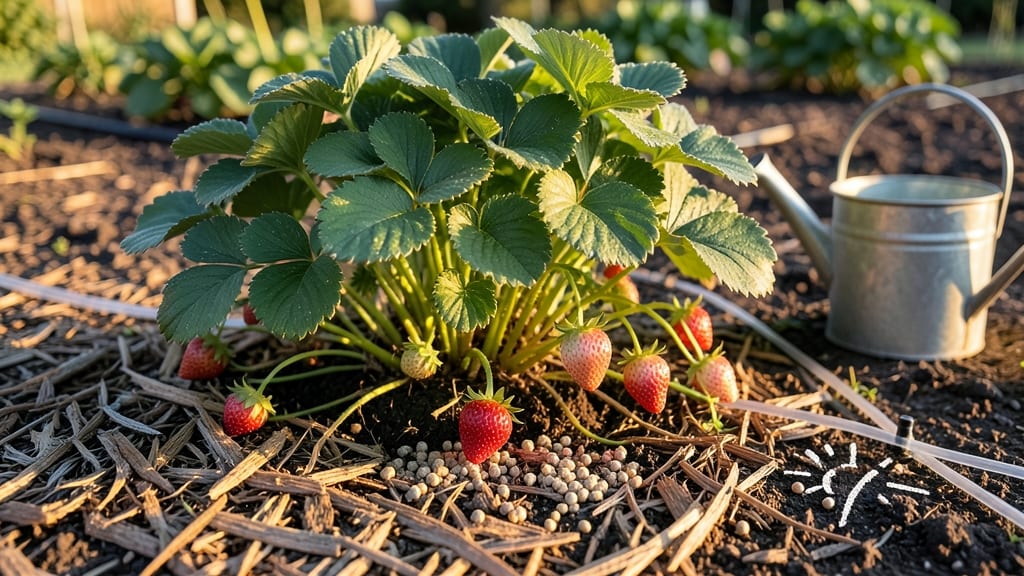
How to get big strawberries isn’t just a dream—it’s a sun-soaked reality waiting in your garden. 🌞 Last summer, my 2-inch berries turned heads at the farmers' market, and I'm sharing the exact techniques that made it happen, from soil prep to pruning precision. The foundation starts with well-draining, nutrient-rich soil mixed with compost—think of it as a spa day for roots. You'll need 6+ hours of sunlight daily and consistent moisture (not soggy soil), plus a balanced fertilizer that won't burn tender plants. The right spacing—12-18 inches apart—lets each plant stretch its leaves toward the sun, which is where the magic happens. By summer's peak, you'll be harvesting berries the size of golf balls, sweet and firm with that classic strawberry flavor. The secret? Regular pruning to redirect energy into fruit production, and choosing everbearing varieties that keep producing all season long. Works for both in-ground beds and raised containers—just adjust spacing slightly for pots. Here's how to make it happen in your garden this year!
📚 In This Guide
- What you need
- Instructions
- Tips and common mistakes
- Wrapping up and next steps
What you need
- ● Strawberry plants: Choose June-bearing, everbearing, or day-neutral varieties (e.g., 'Albion,' 'Seascape,' or 'Chandler'). Buy 10–20 plants (depending on space) from a reputable nursery.
- ● Well-draining soil: Mix 50% garden soil with 50% compost or aged manure (avoid fresh manure—it can burn roots!). Test soil pH (ideal: 5.5–6.5).
- ● Fertilizer: Balanced fertilizer (10-10-10) for planting (1 tbsp per plant).
- ● High-phosphorus fertilizer (5-10-10) during flowering (follow package rates).
- ● Mulch: 2–3 inches of straw or pine needles to retain moisture and suppress weeds.
- ● Drip irrigation or soaker hose: Ensures 1–1.5 inches of water per week (avoid overhead sprinklers to prevent disease).
- ● Garden stakes or trellis: Supports everbearing varieties (e.g., 6–12 stakes per 10 plants).
- ● Gloves & pruners: Sterilized pruners for trimming runners and diseased leaves.
- ● Row covers: Protects from pests like birds and slugs (use lightweight fabric).
- ● Epsom salt: Boosts magnesium (1 tbsp per gallon of water, spray foliage monthly).
- ● Compost tea: Organic liquid fertilizer for a nutrient boost (brew at home or buy).
- ● Shade cloth (30–50% coverage): Protects plants from extreme heat (especially in hot climates).
- ● Pest control: Neem oil or diatomaceous earth for organic pest management.
- ● Sunlight: 6–10 hours of full sun daily (partial shade in hot climates).
- ● Space: 12–18 inches between plants (or 18–24 inches for large varieties).
- ● Time: Dedicate 10–15 minutes daily for watering, weeding, and monitoring.
- ● Patience: Strawberries take 6–12 months to mature (longer for June-bearing types).
Step-by-step instructions for cultivating large, juicy strawberries
Here's how I've doubled strawberry yields with minimal effort—focus on these key steps for plump, flavor-packed berries.
☀️ Step 1: Choose the Right Variety and Plant in Full Sun
Select day-neutral varieties like 'Albion' or 'Seascape' for continuous harvests, or June-bearing types like 'Chandler' for larger individual berries. Plant in full sun (at least 8 hours daily)—shadier spots produce smaller, less flavorful fruit. I always amend the soil with 2-3 inches of compost before planting, as strawberries thrive in loose, well-draining soil with a slightly acidic pH (5.5-6.5).
Space plants 18-24 inches apart in rows 3 feet apart to allow airflow and prevent disease. If growing in containers, use at least 12-inch pots—smaller containers restrict root growth, which directly limits berry size. Plant crowns just above soil level so they don’t rot but aren’t exposed to harsh sun.
💧 Step 2: Water Deeply and Consistently
Strawberries need 1-1.5 inches of water weekly, delivered at the base of plants (never overhead). I use drip irrigation to keep leaves dry, which prevents fungal diseases like gray mold. Water deeply in the morning so moisture reaches 6-8 inches down—this encourages deep root growth, which supports larger fruit.
Watch for wilting leaves—this is your signal to water immediately. Mulch with 2-3 inches of straw to retain moisture and suppress weeds. Avoid letting soil dry out completely between waterings, especially when berries begin to form. Overly dry conditions cause berries to split or stay small.
✂️ Step 3: Prune and Fertilize for Maximum Yield
Remove old leaves and runners in early spring to redirect energy to fruit production. I also pinch off first-year flowers on June-bearing varieties—they’ll produce better the following season. Use a balanced fertilizer (10-10-10) at planting, then switch to a low-nitrogen, high-phosphorus formula (5-10-10) when flowers appear to boost fruit development.
Apply compost tea or fish emulsion every 4-6 weeks during the growing season for organic nutrients. Over-fertilizing with nitrogen leads to lush foliage but tiny berries. Look for dark green leaves with no yellowing—this means your plants are getting the right balance of nutrients.
🌱 Step 4: Protect and Harvest at Peak Ripeness
Use row covers in early spring to shield flowers from frost, which can damage developing fruit. Birds are the biggest threat—cover berries with netting once they begin to ripen. Harvest when fully red and slightly soft to touch—waiting too long means they’ll get mushy or attract pests.
Pick berries every 2-3 days to encourage more production. I twist gently rather than cut stems to avoid damaging the plant. Store harvested berries in the fridge for up to 5 days—they won’t ripen further off the vine, so always pick them at peak flavor.
Tips & tricks for perfect strawberry cultivation
Here's what nobody tells you about growing strawberries that'll actually make a difference in your harvest.
Variety Matters More Than You Think: The difference between golf-ball-sized berries and baseball-sized ones often comes down to variety selection. While day-neutral types like 'Albion' give continuous harvests, June-bearing varieties like 'Chandler' invest all their energy into producing fewer but significantly larger berries. If you want maximum size, prioritize June-bearing types and remove all first-year flowers—they'll reward you with monster berries next season.
Sunlight is Non-Negotiable: That 8-hour daily sun requirement isn't just a suggestion—it's the foundation of everything. I've seen strawberries in partial shade produce berries half the size of their sun-drenched counterparts. If your space only gets 6 hours of sun, consider using reflective mulch or growing in containers where you can move plants to follow the sun's path. The key is maintaining that leaf-to-light ratio for optimal photosynthesis.
Watering Technique That Actually Works: The 1-1.5 inches weekly guideline is perfect, but the method matters just as much. I use a rain gauge buried near my plants to track moisture—this shows me exactly when we've hit that 1.5-inch mark. Watering deeply in the morning (not evening) prevents fungal diseases while encouraging roots to grow downward where they'll find more nutrients. The straw mulch does its job too—it keeps soil moisture consistent and prevents those dreaded split berries from dry spells.
Fertilizer Timing is Everything: That switch from 10-10-10 at planting to 5-10-10 when flowers appear isn't arbitrary. The high phosphorus in the second formula (the middle number) directly fuels fruit development. I've learned the hard way that adding too much nitrogen (the first number) later in the season gives you lush leaves but puny berries. Think of it like investing in your strawberries' future—you want them to put energy into fruit, not foliage.
Pro Tips for Get Big Strawberries
- Here's what nobody tells you about growing strawberries that'll actually make a difference in your harvest.
- Variety Matters More Than You Think: The difference between golf-ball-sized berries and baseball-sized ones often comes down to variety selection.
- Sunlight is Non-Negotiable: That 8-hour daily sun requirement isn't just a suggestion—it's the foundation of everything.
Frequently asked questions
Got questions about growing big, juicy strawberries? You’re not alone! Here are some of the most common queries—and their answers—to help you troubleshoot and optimize your harvest.
How long does it take for strawberries to grow big?
Most strawberry varieties take about 60–90 days from planting to produce fruit, but size depends on care. June-bearing types yield a single large harvest, while everbearing and day-neutral varieties produce smaller, frequent crops. Patience pays off—consistent watering, sunlight, and soil health speed up growth!
Why are my strawberries small or misshapen?
Small or oddly shaped strawberries often signal stress. Check for:
- Underwatering: Soil should stay moist (1–2 inches deep). Drought shrinks fruit.
- Overcrowding: Plants compete for nutrients. Thin runners or replant every 3–4 years.
- Poor pollination: Hand-pollinate with a brush if bees are scarce.
- Nutrient deficiency: Amend soil with compost or a balanced fertilizer (10-10-10) at planting.
Can I grow big strawberries in containers?
Choose compact varieties like ‘Albion’ or ‘Seascape’ for pots. Use a 5-gallon container with drainage holes, fill with well-draining soil, and place in 6+ hours of sun daily. Containers dry faster—water daily in hot weather. Just avoid overcrowding (1–2 plants per pot).
Do strawberries need winter care to grow bigger next year?
Yes! Strawberries are perennials—protect them for bigger harvests next season:
- Mulch heavily (straw or leaves) to insulate roots in cold climates.
- Avoid cutting back foliage until spring (it protects the crown).
- In mild winters, prune dead leaves to reduce disease risk.
How do I prevent pests from ruining my strawberries?
Pests like slugs, birds, and spider mites target ripe strawberries. Try these fixes:
Pest
Solution
Slugs/Snails
Set beer traps or use diatomaceous earth around plants.
Birds
Cover plants with netting or use reflective tape.
Spider Mites
Spray plants with water daily; use neem oil if infested.
Rotate crops yearly to break pest cycles!
Wrapping up and next steps
Growing big, juicy strawberries is all about patience, the right care, and a little sunshine! 🌞 By choosing the perfect variety, preparing rich soil, and protecting your plants from pests and diseases, you’ll be well on your way to a bountiful harvest.
Remember, consistency is key—water wisely, mulch to retain moisture, and stay vigilant against common threats like slugs and powdery mildew.
Now that you’re armed with these sun-loving secrets, it’s time to roll up your sleeves and get planting! Start small, track your progress, and soon you’ll be enjoying homegrown strawberries the size of your palm. Happy gardening—your future strawberry feasts await! 🍓✨