
How To
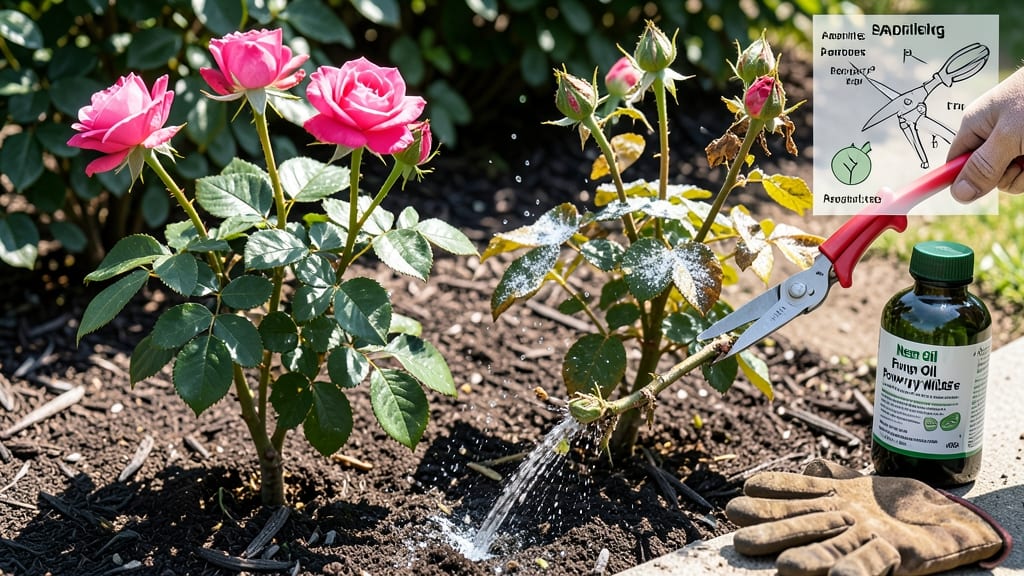
How to avoid powdery mildew on plants—it’s the difference between vibrant gardens and sad, dusty ghosts on your leaves. I’ve lost entire rose bushes to it—until I discovered this simple spray that keeps my plants thriving even in humid summers. The key isn’t just treating the problem; it’s stopping it before it starts with airflow, spacing, and a few natural ingredients.
Most gardeners wait until they see white dust on leaves before acting, but by then it’s too late. The fungus thrives in crowded, damp conditions, so proper spacing and pruning are your first line of defense.
My go-to spray mixes baking soda, neem oil, and water—it’s cheap, organic, and works better than store-bought fungicides for early prevention.
With this approach, your cucumbers won’t curl up like sad green paper, and your roses will stay glossy and healthy. The best part? You’ll spend less time scrubbing leaves and more time enjoying your garden.
Once you see the difference in just 2 weeks, you’ll never ignore those early signs again.
Works for tomatoes, squash, and even houseplants—just adjust the spray frequency based on humidity. Let’s get your garden back to its disease-free glory before the next outbreak hits.
The Hidden Triggers Behind Fungus
Understanding why powdery mildew takes hold on your plants is the first step to stopping it. This fungal disease thrives under specific conditions, often lurking in plain sight. Let’s break down the key culprits that turn your garden into a mildew magnet—and how they create the perfect storm for infection.
Powdery mildew loves warm temperatures (60–85°F) combined with high humidity (70%+).
Here’s why: - Fungal spores germinate when moisture lingers on leaf surfaces, creating a damp microclimate. - Still, stagnant air (like in crowded gardens or greenhouses) traps humidity, giving spores the ideal environment to spread. - Nighttime dew or afternoon water droplets act like tiny incubators, accelerating growth.
Pro tip: 🌡️ If your plants are wilting slightly at night but perk up in the morning, that’s a red flag—excessive humidity is likely the issue.
While powdery mildew isn’t a waterlogged disease (unlike root rot), excess moisture on leaves and soil creates the perfect breeding ground:
- Frequent overhead watering keeps leaves wet for hours, giving spores a foothold.
- Compacted or poorly draining soil holds moisture too long, stressing plants and weakening their defenses.
- Potted plants in saucers without drainage holes trap excess water, promoting fungal growth.
Actionable fix: 💧 Water at the base (not leaves) and ensure pots have drainage holes. Space plants to allow airflow—this disrupts the mildew lifecycle.
Powdery mildew targets weak plants like a vulture circling prey.
Common stress factors include: - Poor airflow (e.g., dense foliage, tight spacing) lets humidity linger. - Nutrient deficiencies (especially phosphorus or potassium) weaken cell walls, making them easier targets. - Physical damage (e.g., from pests, hail, or rough handling) creates entry points for spores.
Science note: 🔬 Studies show that healthy plants with strong cuticles (the waxy leaf coating) naturally repel mildew. Stress = open invitation.
Not all plants are equal—some are powdery mildew magnets. Common high-risk plants include:
- Vegetables: Squash, cucumbers, peas, beans.
- Fruits: Apples, grapes, strawberries, roses.
- Ornamentals: Phlox, impatiens, lilacs, zinnias.
Why? These plants often have thick, hairy leaves or soft tissue, which spores cling to easily.
Powdery mildew spores are lightweight and airborne, traveling via:
- Wind (spreading from infected plants to healthy ones).
- Tools/gardening equipment (contaminated pruners or gloves).
- Compost or soil (if previously infected plants were composted).
Prevention tip: ✨ Sanitize tools with a 1:10 bleach-water solution between uses, and quarantine new plants for a week.
Mildew often spikes in late spring/early summer because:
- Longer daylight hours + warmer nights = ideal fungal growth conditions.
- New growth (tender, unhardened leaves) is more vulnerable.
- Rainy springs followed by dry, hot summers create the "perfect storm" for outbreaks.
Watch for: 🚨 A sudden white powder on new leaves—this is mildew’s signature move.
Once spores land on a leaf:
- Germination occurs within 4–6 hours in ideal conditions.
- Hyphae (thread-like fungal structures) spread under the leaf surface, stealing nutrients.
- Conidia (new spores) form in 3–7 days, ready to infect neighboring plants.
Key takeaway: 🎯 Act fast—once you see white powder, the fungus is already spreading underground!
Some pests worsen mildew by:
- Damaging leaves (e.g., aphids, spider mites), creating entry points.
- Excreting honeydew, a sugary substance that attracts mildew spores.
Solution: 🐜 Treat pest infestations before mildew appears—neem oil or insecticidal soap can help.
Solutions That Stop Powdery Mildew Fast
Powdery mildew may feel like a stubborn foe, but with the right approach, you can reverse its damage and prevent future outbreaks—without harsh chemicals.
Below, we break down targeted fixes based on the root causes (poor airflow, humidity, watering habits, or weak plants) and pair them with preventive strategies to keep your garden thriving. Think of this as your fungus-fighting game plan!
Problem: Tight spaces trap moisture, creating the perfect mildew buffet.
How to Fix It:
- Prune aggressively 🔪—Remove overgrown leaves, branches, or stems blocking airflow. Aim for 30-50% more space between plants.
- Space new plants properly from day one. Check seed packets for recommended distances (e.g., tomatoes need 18–24 inches apart).
- Train vines upward (e.g., cucumbers, squash) with trellises or stakes to lift them off the ground.
Prevent It: 💡 Pro Tip: If you’re dealing with container gardens, choose shallow, wide pots (not deep) to encourage faster drying. Add gravel or perlite to the soil mix for better drainage.
Problem: Wet leaves = mildew’s favorite snack.
How to Fix It:
- Water at the base only 💧—Use a soaker hose or drip irrigation to avoid splashing leaves. Early morning (before 10 AM) is ideal—leaves dry faster in sunlight.
- Rake mulch away from stems to prevent moisture buildup. Keep mulch 2–3 inches from plant bases.
- Skip overhead watering (like sprinklers) unless it’s a drought emergency.
Prevent It: ✨ Hack: Add 1 tsp of baking soda + 1 tbsp of vegetable oil + 1 tsp of dish soap to a gallon of water for a preventative spray. Test on a small area first!
Problem: High humidity (60%+) turns your garden into a mildew incubator.
How to Fix It:
- Improve airflow with fans 🌀—A small USB fan on low speed near susceptible plants (like roses or impatiens) can drop humidity by 10–15%.
- Space plants strategically—Group drought-tolerant plants (e.g., lavender, succulents) near humidity-lovers (e.g., ferns) to create a microclimate balance.
- Use a dehumidifier in greenhouses or basements where humidity soars.
Prevent It: 🎯 Smart Move: Prune plants in late summer to reduce leaf density before humidity spikes in fall.
Problem: Weak, nutrient-starved plants can’t fight mildew.
How to Fix It:
- Fertilize with phosphorus (look for 5-10-10 on the label) to boost root and cell wall strength.
- Add compost or worm castings to the soil for slow-release nutrients—mildew-resistant plants start from the ground up!
- Remove infected leaves immediately 🧹—Don’t compost them! Toss in the trash to avoid spreading spores.
Prevent It: 💪 Boost Immunity: Neem oil spray (1 tbsp neem oil + 1 tsp mild soap + 1 quart water) prevents mildew and strengthens plant defenses. Apply every 2 weeks during humid seasons.
Problem: You want fast results without toxic residues.
How to Fix It:
| Spray | Mix It Up | How Often |
|---|---|---|
| Baking Soda Spray | 1 tbsp baking soda + 1 quart water + 1 tsp oil | Every 7–10 days |
| Milk Spray | 1 part milk + 9 parts water | Every 5–7 days (works best on young infections) |
| Hydrogen Peroxide | 1 tbsp 3% H₂O₂ + 1 quart water | Every 3–4 days (test on leaves first!) |
Prevent It: 🔥 Power Move: Refrigerate your spray overnight before use—cold sprays cling better to leaves and work faster!
Once mildew is gone, lock it out for good with these low-maintenance habits:
- Rotate crops yearly to starve fungal spores in the soil.
- Plant mildew-resistant varieties (e.g., ‘Blaze’ tomato, ‘Moulin Rouge’ zinnia).
- Disinfect tools with rubbing alcohol after pruning infected plants.
- Monitor weather forecasts—if humidity >60% for 3+ days, spray preventatively!
Remember: Powdery mildew is annoying but beatable—consistency is key! Start with one fix (like airflow or watering), then layer in prevention. Your plants will thank you with lush, mildew-free growth all season long. 🌱✨
Frequently asked questions
Why does powdery mildew appear white and powdery?
The white, powdery look comes from fungal spores called conidia that form on the leaf surface. These spores are lightweight and spread easily in wind or when you brush against infected plants. The fungus itself grows under the leaf surface, stealing nutrients while the spores create that signature dusty appearance.
Can I still use my plants if they have powdery mildew?
Yes, but it depends on the severity. For vegetables like cucumbers or squash, you can still harvest the fruit—just remove heavily infected leaves first. For ornamental plants, prune off infected areas to keep the plant healthy. The key is to act fast: once 50%+ of leaves are covered, the plant may struggle to recover.
How do I know if my plant has powdery mildew or just dust?
Rub your finger gently over the white spots. If it leaves a powdery residue, it’s mildew. Dust usually wipes away clean. Also check the undersides of leaves—mildew often starts there first. Another clue: mildew spreads in patches, while dust is usually more uniform.
Will rain wash away powdery mildew?
Rain alone won’t eliminate mildew, but it can help by washing away some spores. However, the fungus thrives in humid conditions, so heavy rain followed by warm, still air often makes outbreaks worse. After rain, prune infected areas and apply a preventative spray (like neem oil) to stop regrowth.
Can I use vinegar to treat powdery mildew?
Undiluted vinegar can burn leaves, but a 1:1 vinegar-water spray (applied in the evening) can help as a preventative. For treatment, mix 1 tbsp baking soda + 1 quart water + 1 tsp oil—this works better and is gentler. Always test sprays on a small leaf area first to avoid damage.