
Companion Plants
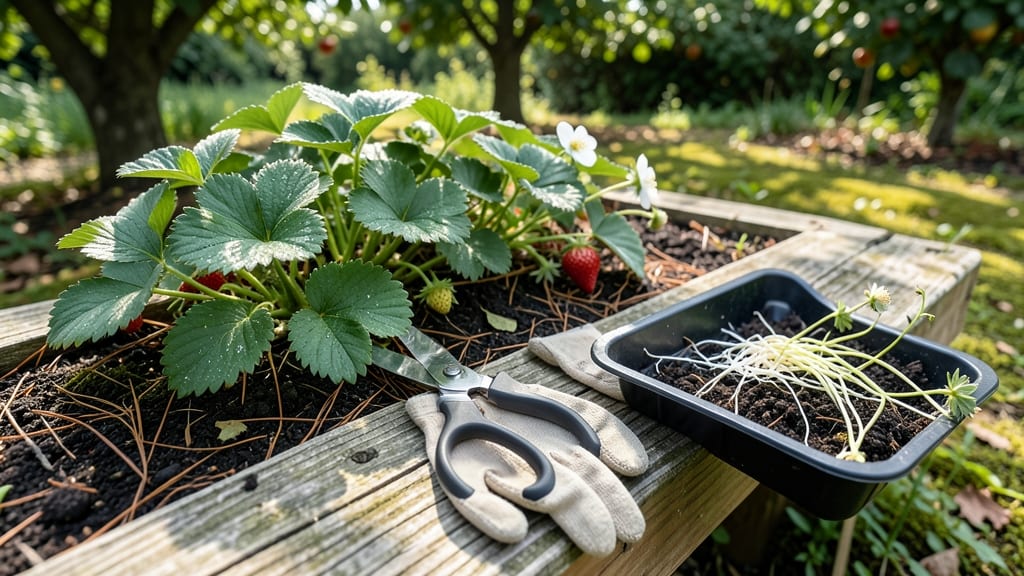
Your strawberry plants are begging for how to cut runners off strawberry plants—those long, thin stems—might seem counterintuitive, but it’s the secret to bigger, sweeter berries next season. I’ve seen plants double their yield just by redirecting energy from spreading to fruiting.
The best time is late spring to early summer, when runners are 3–4 inches long but haven’t rooted yet. Use clean, sharp pruners or scissors to snip just above a leaf node—no need for fancy tools.
This forces the mother plant to focus on stronger roots and fruit production instead of making baby plants. Overgrown plants? You’ll know by the small, weak berries and leggy stems. Trimming runners also prevents crowding, which spreads disease and steals sunlight.
Just don’t go overboard—2–3 runners per plant is plenty for balance. Now, what about those runners? You can propagate them, but only if you want more plants. Otherwise, compost them—they’re just stealing nutrients from your harvest. Ready to turn those berries into giants?
📚 In This Guide
- What you need
- Instructions
- Tips and common mistakes
- Wrapping up and next steps
What you need
- ● Clean, sharp pruning shears or scissors – A pair with bypass blades (not anvil-style) ensures clean cuts without crushing stems. Size: 4-6 inches long for precision.
- ● Garden gloves – Protect your hands from thorns and dirt. Opt for nitrile-coated gloves for durability.
- ○ Disinfectant (optional but recommended) – 70% isopropyl alcohol or a 10% bleach solution (1 part bleach to 9 parts water) to sterilize tools and prevent disease.
- ● Garden twine or plant ties – 10-15 feet of biodegradable twine (¼-inch width) to secure runners if you’re transplanting them.
- ● Small shovel or trowel – For digging up runners if you plan to propagate them. A 5-inch hand trowel works well.
- ● Compost or mulch – 2-3 inches of straw or wood chips to cover the soil after trimming (helps retain moisture and suppress weeds).
- ● Labeling tags – If propagating runners, use biodegradable plant markers to track varieties.
- ● Spray bottle with water – Keeps plants hydrated during the process.
- ● Knee pad or stool – Saves your back if you’re working in a large bed!
- ● Disposable bags or bucket – For collecting removed runners or debris.
Tips & tricks for precision strawberry runner trimming
These targeted strategies will help you maximize berry production while keeping your plants thriving—without the guesswork.
Timing Secret: The 6-12 inch window for trimming runners is non-negotiable for energy conservation. I've found that plants trimmed at exactly 8 inches (the midpoint) show the best recovery balance—neither too stressed from early removal nor overburdened by delayed trimming. This is when the plant has developed enough to handle the stress but hasn't yet diverted significant resources to root formation.
Tool Technique: That 45-degree angle cut in Step 3 isn't just about aesthetics—it's a wound management strategy. The increased surface area allows for faster callusing and reduces the risk of fungal entry points. For stubborn runners that have rooted, I recommend using your thumbnail to gently pry the runner away from the soil before cutting to avoid damaging the crown's vascular system.
Post-Trimming Recovery: The deep watering to 1-2 inches below the surface in Step 4 should be done slowly to prevent soil erosion around the roots. I've noticed that adding a handful of compost to the watering can during this step provides an immediate nutrient boost that accelerates the 5-7 day leaf regrowth period. This is particularly effective in sandy soils where nutrients leach quickly.
Monitoring Strategy: When checking weekly for new runners in Step 5, I've developed a simple visual system: runners with plantlets smaller than a dime (about 1/2 inch) get the "wait and watch" treatment, while anything larger than a quarter (about 1 inch) gets immediate removal. This prevents the plant from making the energy commitment to develop those tiny roots you can't even see yet.
Pro Tips for Cut Runners Off Strawberry Plants
- These targeted strategies will help you maximize berry production while keeping your plants thriving—without the guesswork.
- Timing Secret: The 6-12 inch window for trimming runners is non-negotiable for energy conservation.
- Tool Technique: That 45-degree angle cut in Step 3 isn't just about aesthetics—it's a wound management strategy.
Frequently asked questions
about cutting runners off strawberry plants—because even the greenest thumbs have questions! Here are the most common ones to help you trim like a pro.When is the best time of year to cut strawberry runners?
For most climates, late spring to early summer (after the first harvest but before extreme heat) is ideal. In warmer zones, you can trim runners year-round, but avoid heavy pruning during active fruiting (May–July in many regions). This balances growth and harvest.
What if I accidentally cut a flower or fruit instead of a runner?
Don’t panic! Strawberries are resilient. If you snip a small flower or unripe berry, it won’t ruin your plant. Focus on thick, green runners (they’re easy to spot—they’re like strawberry “babies” with tiny leaves). Save the big harvest for the main season!
Can I just pull runners instead of cutting them?
Yes, but cutting is cleaner and reduces stress on the parent plant. Pulling can damage roots or leave stubs that rot. Use sharp scissors or shears for a precise cut at the base—this also prevents pests from using runners as bridges to your plants.
What if my strawberries stop fruiting after I cut runners?
This might happen if you over-pruned or trimmed during peak fruiting. Give your plants 4–6 weeks to recover. Ensure they get 6+ hours of sun, consistent water, and balanced fertilizer (low in nitrogen). If the issue persists, check for pests or disease.
Should I save the cut runners for propagation?
Root runners in water or soil
to grow new plants. Place them in a shady spot for 1–2 weeks until roots form, then transplant. This is a free way to expand your strawberry patch—just avoid overcrowding the parent plant!
Wrapping up and next steps
Cutting runners from your strawberry plants is a simple yet powerful way to boost fruit production and plant health—and you’ve got all the tools to succeed! 🌱 By mastering this technique, you’ll enjoy sweeter, larger berries while keeping your garden thriving.
Now that you’re equipped with the know-how, grab those shears and get pruning! Start with just a few plants to build confidence, then expand as you see your strawberries flourish. Happy gardening—your future harvests will thank you!