
Tools
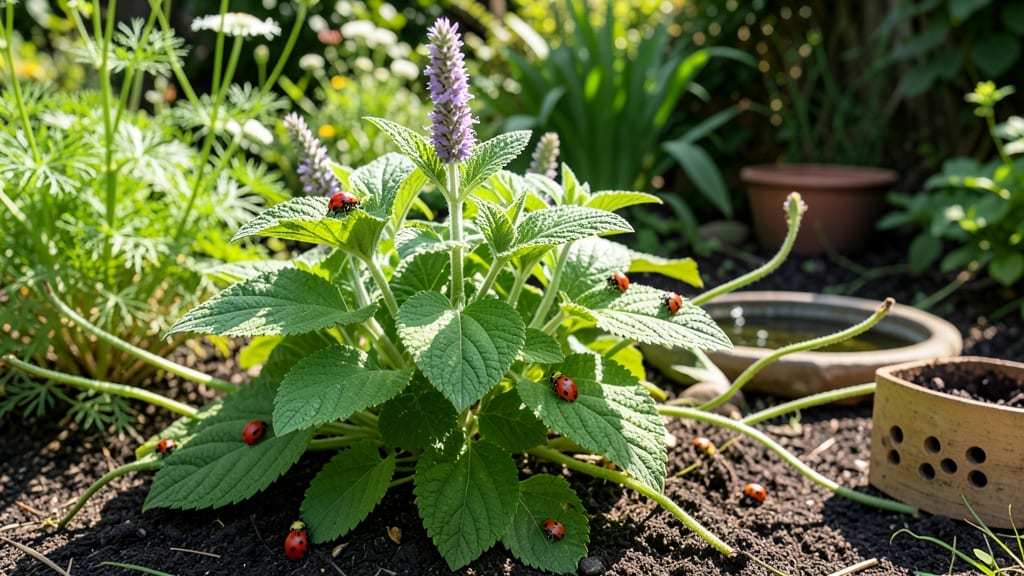
How to encourage ladybugs in your garden—start with a tiny, armored cleanup crew, where one adult eats 5,000 aphids in a lifetime. 🌱 I used to struggle with pests until I learned how to create a ladybug-friendly haven. The secret? A mix of nectar-rich flowers, shelter, and zero pesticides. Start with 5-10 plants like marigolds, dill, or yarrow—their pollen and aphids feed ladybugs year-round. Add leaf litter or a shallow water dish (with pebbles) for hydration. Avoid broad-spectrum sprays; even "organic" ones can harm these beneficial bugs. Within weeks, you’ll spot ladybugs patrolling your plants, devouring pests before they become a problem. The best part? Their larvae are even hungrier than the adults, creating a self-sustaining pest control system. This works for vegetable gardens, flower beds, and even containers. No releases needed—just habitat. Let’s make your garden their home!
📚 In This Guide
- What you need
- Instructions
- Tips and common mistakes
- Wrapping up and next steps
What you need
- ● Native flowering plants (5-10 varieties): Marigolds (French or African) – 3-5 plants
- ● Dill – 2-3 plants
- ● Fennel – 1-2 plants
- ● Yarrow – 3-4 plants
- ● Cosmos – 4-6 plants
- ● Goldenrod – 2-3 plants
- ● Host plants for ladybug larvae: Aphid-infested plants (e.g., roses, fruit trees, or herbs like basil) – 1-2 plants
- ● Water source: Shallow dish or birdbath with pebbles (to prevent drowning) – 1
- ● Garden tools: Hand trowel – 1
- ● Pruning shears – 1 pair
- ○ Gloves (optional but helpful!) – 1 pair
- ● Ladybug habitat: Pinecone ladybug hotel (fill with straw or dried leaves) – 1-2
- ● Undisturbed leaf litter or mulch piles – 1-2 spots
- ● Pesticide-free zone: Neem oil or insecticidal soap (for general pest control, non-toxic to ladybugs) – 1 bottle
- ● Ladybug eggs or larvae (if available locally): Purchase from a reputable supplier – 50-100 eggs/larvae
- ● Brightly colored flowers for adult ladybugs: Calendula, sunflowers, or nasturtiums – 2-4 plants
Step-by-Step instructions for creating a ladybug-friendly garden
Here's how to transform your garden into a thriving ladybug habitat using plants and practices they adore.
🌱 Step 1: Plant Ladybug-Favorite Nectar Sources
Start with flowers that provide continuous nectar—ladybugs need energy to hunt pests. My go-to annuals are cosmos, marigolds, and sweet alyssum, all of which bloom prolifically from spring through fall. Plant these in clusters near your vegetable beds or along garden edges where aphids gather.
Perennials like dill, fennel, and yarrow offer long-term benefits, returning year after year. Space them 12-18 inches apart to ensure full coverage. The key is diversity: ladybugs prefer gardens with multiple blooming stages, so mix early bloomers (like alyssum) with late-season flowers (like cosmos).
☀️ Step 2: Add Host Plants for Aphids (Their Primary Food)
Ladybugs thrive where their prey is abundant, so include plants aphids love—roses, peonies, and brassicas (like cabbage and kale) act as natural aphid magnets. Place these strategically near your nectar plants so ladybugs can feed continuously. You'll notice aphid populations spike initially, but within weeks, ladybugs will establish residency.
If you're concerned about aphid damage, focus on one or two sacrificial plants rather than spreading them throughout. This creates a concentrated food source that attracts ladybugs without compromising your entire garden. Monitor these plants closely for the first 2-3 weeks to ensure ladybugs arrive before aphids overwhelm the area.
🪴 Step 3: Provide Shelter and Water Sources
Ladybugs need protected spots to overwinter and escape predators. Install small brush piles or dense ground covers like creeping thyme in sunny corners. They’ll also seek shelter under mulch or flat stones—just leave a few areas of bare soil or loose rocks to mimic their natural habitat.
Add a shallow birdbath or saucer filled with pebbles and water to keep them hydrated. Ladybugs can’t swim, so the pebbles create stepping stones. Place it in partial shade to prevent evaporation and refresh the water every 2-3 days. You’ll spot them drinking within a week, especially on warm afternoons.
✂️ Step 4: Avoid Pesticides and Encourage Natural Balance
Chemical pesticides wipe out ladybugs along with pests—never use them in areas where you’re inviting these beneficial insects. Instead, opt for neem oil sprays (applied at dusk) or soapy water solutions (1 tablespoon mild soap per gallon of water) for targeted aphid control. Always spray undersides of leaves where aphids hide.
Leave some garden "messiness" intact. Ladybugs rely on weeds like dandelions and clover for extra nectar and shelter. If you must tidy, do it gradually—remove only half the weeds in any given area to maintain their habitat. Over time, you’ll see ladybugs colonizing these spots naturally.
🌿 Step 5: Monitor and Maintain Year-Round
Check your garden weekly for ladybug activity, especially after rain when they’re most active. Look for them on flower petals, leaves, and stems—they often cluster in groups. If you see fewer than 10 ladybugs per square yard, add more nectar plants or host plants to boost their numbers.
In fall, leave a few plants standing (like cosmos or marigolds) to provide overwintering sites. Ladybugs will cluster on stems and under leaves, emerging in spring to resume pest control. Avoid disturbing these areas until late winter, when new growth signals their dormant period is over.
Tips & tricks for creating an irresistible ladybug habitat
Transforming your garden into a ladybug paradise takes thoughtful planning—here's how to maximize your efforts with these insider strategies.
Plant Diversity Strategy: In Step 1, when planting your nectar sources, create "bloom layers" by staggering planting times. Start with early spring bloomers like sweet alyssum (plant in early April), then add cosmos in late April, and finish with yarrow in May. This ensures continuous nectar availability throughout the growing season, which is crucial since ladybugs need food every 2-3 days to be effective pest controllers.
Host Plant Placement: For Step 2, place your brassicas (like kale or cabbage) on the north side of your garden where they'll receive partial shade—this creates cooler microclimates that aphids prefer, making them even more attractive to ladybugs. The key is positioning these sacrificial plants within 3-5 feet of your nectar sources so ladybugs don't have to travel far for both food and water.
Shelter Design: When creating shelter in Step 3, avoid using smooth river rocks—they don't provide enough crevices for ladybugs to hide. Instead, use flat field stones with rough edges or create small piles of twigs (about 6-8 inches high) that mimic natural woodlands. These provide perfect hiding spots while allowing airflow to prevent mold buildup.
Water Source Maintenance: The pebble water feature in Step 3 needs special attention—place it where it receives morning sun but afternoon shade to prevent algae growth. Add a few small aquatic plants like tiny water lilies (if your climate allows) to provide additional shelter. Refresh the water every 2-3 days as instructed, but also add a small floating leaf (like a duckweed plant) to create surface tension that helps ladybugs walk across the water safely.
Pro Tips for Encourage Ladybugs In Your Garden
- Transforming your garden into a ladybug paradise takes thoughtful planning—here's how to maximize your efforts with these insider strategies.
- Plant Diversity Strategy: In Step 1, when planting your nectar sources, create "bloom layers" by staggering planting times.
- The key is positioning these sacrificial plants within 3-5 feet of your nectar sources so ladybugs don't have to travel far for both food and water.
Frequently asked questions
Got questions about inviting these tiny, beneficial allies to your garden? Here are some of the most common ones—and their answers!
When is the best time to start attracting ladybugs?
The best time to encourage ladybugs is spring or early summer, when they’re most active and hungry for pests. However, you can plant their favorite flowers (like marigolds or dill) year-round—they’ll arrive when conditions are right. If you’re buying ladybugs, release them in the morning on a cool, cloudy day to help them adjust.
What if ladybugs don’t show up after I’ve tried everything?
Don’t worry—patience is key! Ladybugs may take weeks to notice your garden. If they’re still MIA, check for sprayed pesticides (even natural ones can repel them) or nearby water sources (like birdbaths) that might be attracting predators. Try releasing a few native species from a local supplier as a jumpstart.
Are there plants that repel ladybugs instead of attracting them?
Ladybugs generally avoid strongly aromatic herbs like mint, rosemary, or lavender, though these aren’t true “repellents.” They also dislike chemical pesticides or gardens with overly neat, manicured lawns (they prefer wild, diverse spaces). Focus on their favorites—like yarrow or cosmos—and they’ll ignore the rest!
Will ladybugs stay in my garden long-term, or do I need to keep buying them?
With the right habitat, ladybugs will reproduce and overwinter in your garden, becoming a self-sustaining pest-control team! Provide shelter (like leaf litter or a small brush pile) and water (a shallow dish with pebbles) to help them thrive year after year. Release new batches only if pests spike unexpectedly.
Can I attract ladybugs without planting flowers?
Ladybugs love native plants, weeds (like dandelions), and even vegetable gardens with aphids. Try adding a small patch of clover or wildflowers to your lawn edges. They’ll also visit neighboring gardens, so team up with local gardeners to create a ladybug-friendly network!
Wrapping up and next steps
Encouraging ladybugs in your garden is a simple yet rewarding way to boost your garden’s health naturally! By planting diverse, native flowers, providing water sources, and avoiding pesticides, you’ll create a thriving habitat that attracts these beneficial insects. 🌸🐞
Start small—even a few plants can make a difference. Once your garden becomes a ladybug hotspot, you’ll enjoy fewer pests and a more vibrant ecosystem. Ready to take action? Pick one plant from our list this week and watch your garden transform!