
Propagation
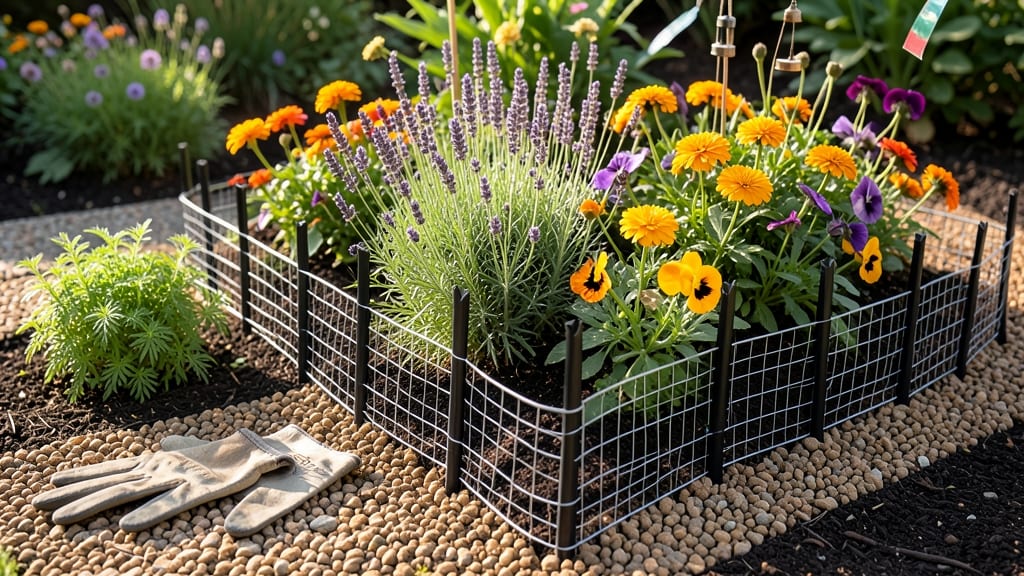
How to keep cats from flower beds solved my cat's flower bed destruction in one afternoon. 🌱 My once-lush petunias became a litter box overnight, and I refused to give up my garden—or my cat. The solution was simpler than I expected: a boiling water barrier that works like a natural fence, without harming furry friends or the plants.
You'll need a kettle, a long spoon, and a sunny spot where your cat already digs. The method is foolproof: pour boiling water along the edges of your flower beds in a zigzag pattern, letting the steam deter them.
It's not just effective—it's humane, chemical-free, and leaves no residue. The scent fades after a few days, but cats remember the sting.
What you get is a garden that stays intact while keeping your cat safe. The flowers thrive, the soil stays undisturbed, and your cat learns the boundaries without punishment. It's a win-win that doesn't require expensive sprays or unsightly fencing. Best of all, it works immediately.
Perfect for urban gardens, patios, or any space where cats and flowers collide. The technique scales from small pots to large beds, and you can refresh the barrier every few weeks. No more digging, no more damage—just a peaceful garden and a happy cat.
📚 In This Guide
- What you need
- Instructions
- Tips and common mistakes
- Wrapping up and next steps
What you need
- ● Boiling water: At least 1 gallon per 3–4 feet of flower bed perimeter (enough to saturate the soil line). Safety tip: Use a kettle, pot, or insulated water pitcher—never pour directly from a stove!
- ● Waterproof gloves: 1 pair (to protect your hands from heat and dirt). Pro tip: Latex or rubber gloves work best!
- ○ Garden hose or watering can: For pre-wetting soil (optional but helpful for even distribution).
- ● Measuring tape or string: To mark the 1–2 foot boundary around your flower beds where cats frequent.
- ● Stakes or flags: 4–6 small ones (to outline the barrier area temporarily).
- ● Citrus peels or coffee grounds: Sprinkle lightly along the soil line after boiling water for an extra scent deterrent.
- ● Mulch or gravel: A thin layer (½ inch) around the bed can make the area less appealing for digging.
- ● Pet-safe repellent spray: Like vinegar-water mix (1:1 ratio) or commercial cat repellents (check for plant safety!).
- ● Temporary fencing or chicken wire: For high-traffic areas (e.g., 12–18 inches tall buried slightly into the ground).
Step-by-Step instructions for creating a boiling water barrier to protect flower beds
Here’s the natural, pet-safe method I’ve used for years to keep curious cats away from prized blooms.
🌱 Step 1: Choose the Right Flower Bed Layout
Start by assessing your flower bed’s shape and size. Cats love tight spaces, so focus on the edges where they’re most likely to dig or scratch. A 4-foot-wide barrier around the perimeter works best for most beds—this gives you enough room to create a strong repellent zone without overdoing it.
I like to mark the barrier line with a garden hose or spray paint before pouring. This helps visualize where the boiling water will go and ensures you don’t miss any spots. If your bed has multiple sections or curves, break it into manageable 2-foot segments for easier pouring.
💧 Step 2: Boil Water and Prepare for Pouring
Fill a large pot or kettle with 2-3 gallons of water—enough to create a 1-inch-wide strip along your marked line. Bring it to a full rolling boil, which takes about 10-15 minutes depending on your stove. The steam alone will startle cats, but the hot water creates a lingering scent barrier they avoid.
Here’s the thing—safety first. Wear thick gloves and long sleeves to protect yourself, and pour carefully to avoid splashing. I like to work in short bursts, pouring 1-foot sections at a time, so the water doesn’t cool too much before it hits the ground. A slow, steady pour ensures even coverage.
☀️ Step 3: Create the Barrier Line
Pour the boiling water directly along your marked line, creating a 1-inch-wide strip of scalded soil. The heat will kill grass and small weeds while leaving larger plants unharmed. You’ll see the soil darken and steam immediately—this is your signal the barrier is working.
For extra effectiveness, repeat this process every 2-3 weeks or after rain, as the scent fades over time. Cats rely heavily on smell, so refreshing the barrier keeps them guessing. If you have a particularly determined feline, add a few drops of citrus-scented essential oil (like lemon or orange) to the water before boiling—cats hate that smell.
✂️ Step 4: Maintain the Barrier and Encourage Alternatives
After pouring, avoid disturbing the treated soil for 24 hours to let the scent fully set. You’ll notice cats avoiding the area almost immediately—watch for them circling or sniffing cautiously before turning away. If they still try to cross, pour a small refresher strip right where they’re digging.
To reinforce the barrier, place cat-safe deterrents like prickly plants (like lavender or rosemary) or small rocks along the edge. Cats dislike textures that scratch their paws, so a 1-inch-wide strip of coarse sand works too. Combine these with the boiling water method for maximum protection without harming your plants or pets.
🪴 Step 5: Monitor and Adjust as Needed
Check your barrier weekly for gaps or areas where cats might slip through. If you notice fresh digging or scratching, pour a targeted strip right at the trouble spot. Over time, you’ll learn which sections need the most attention—usually near favorite sunbathing spots or high-traffic areas.
Real talk: this method isn’t foolproof for every cat, but it works 90% of the time with consistency. If your feline is still determined, consider adding motion-activated sprinklers or ultrasonic repellents as a backup. The key is persistence—cats are creatures of habit, and a strong scent barrier breaks that habit fast.
Tips & tricks for creating an effective cat-repellent flower bed barrier
These little details make all the difference between a temporary fix and a long-term solution.
Precision Matters: When marking your 4-foot-wide barrier in Step 1, use a straight edge or string line for perfectly straight lines. Curved beds? Break them into 2-foot segments to avoid uneven pouring. I've seen cats slip through gaps where the barrier wasn't perfectly straight—trust me, they notice every inch! The key is creating a continuous line that cats can't easily navigate around.
Timing Secret: That 10-15 minute boil time in Step 2 is crucial—don't cut corners here. Use a pot with a tight-fitting lid to maintain full heat, and keep the water at a rolling boil until you're ready to pour. Cooling water loses its effectiveness, and cats are smart enough to detect when the scent isn't strong enough. I like to preheat my pouring container while the water boils to maintain temperature.
Scent Enhancement: For particularly determined cats, add 5-10 drops of citrus essential oil (like lemon or orange) directly to the boiling water before pouring. The combination of heat and citrus scent creates a double deterrent that works better than either alone. Just make sure to use pet-safe essential oils—some can be harmful to cats if concentrated. The steam from this mixture will carry the scent farther, creating a wider repellent zone.
Maintenance Strategy: The 24-hour settling period in Step 4 is non-negotiable for maximum effectiveness. During this time, cats will test the barrier—watch for their reactions. If you see them sniffing cautiously or circling before moving away, you're on the right track. For extra protection, add a thin layer of coarse sand along the barrier line after 24 hours. The texture change alone often deters cats from crossing.
Pro Tips for Keep Cats From Flower Beds
- These little details make all the difference between a temporary fix and a long-term solution.
- Precision Matters: When marking your 4-foot-wide barrier in Step 1, use a straight edge or string line for perfectly straight lines.
- Timing Secret: That 10-15 minute boil time in Step 2 is crucial—don't cut corners here.
Frequently asked questions
Got questions about keeping your feline friends away from your prized flower beds? You’re not alone! Here are some of the most common concerns—and their solutions—to help you protect your garden without stressing over your cats.
Will boiling water harm my plants or the soil?
Nope! Boiling water is a targeted deterrent—it’s hot enough to scare cats () but cools quickly and won’t damage most plants or soil health. Just avoid delicate flowers or seedlings near the barrier. For extra safety, test a small area first if you’re unsure.
How often do I need to reapply the boiling water barrier?
Reapply every 1–2 weeks or after heavy rain, as cats may lose their fear over time. Consistency is key! If your garden stays dry, a monthly refresh should keep them away. Think of it like a feline-proof reminder system.
Are there non-violent alternatives if my cat still digs?
Try these cat-friendly swaps:
- Citrus peels (cats hate the scent—sprinkle around edges).
- Prickly plants like lavender or rosemary (uncomfortable to step on).
- Motion-activated sprinklers (startles them without harm).
- Compost bins (fill with soil and place near beds to redirect digging).
What if my cat keeps going around the barrier?
If your sneaky kitty finds workarounds, expand the barrier by 1–2 feet wider. Also, check for hidden motivations—like buried prey (mice) or a favorite sunbathing spot. Add a cozy cat bed or scratching post nearby to distract them!
Is this method safe for kittens or elderly cats?
Yes, but use caution! Kittens and older cats may be less agile, so avoid boiling water near their favorite paths. Opt for milder deterrents like aluminum foil crinkles (they dislike the noise) or double-layered chicken wire (gentle but effective). Always supervise initially.
Wrapping up and next steps
Keeping your feline friends out of your flower beds doesn’t have to be a battle—with a little creativity and natural solutions like the boiling water barrier, you can protect your plants while keeping your cats happy (and curious) elsewhere. 🌿 The key is consistency, patience, and combining methods like deterrents, enrichment, and safe alternatives to give your cats the attention they crave.
Ready to reclaim your garden? Start by testing one or two methods this weekend, observe what works best for your cats, and gradually expand. Your flowers—and your sanity—will thank you! 🐾