
Tools
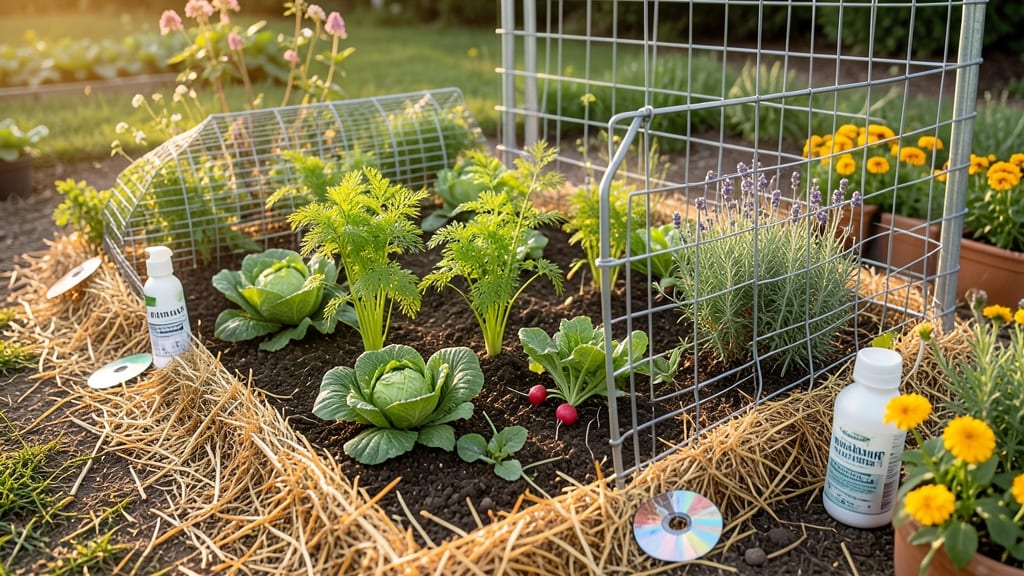
How to keep bunnies out of your vegetable garden—after they turned my thriving garden into a salad bar. 🌿 After losing three rows of lettuce in a single night, I finally found a barrier that actually works—no more floppy fencing or repellents that wash away in rain. This boil-and-pour method creates a physical block rabbits can't dig under or chew through.
The secret isn't expensive materials—it's a simple mix of water, salt, and a few other ingredients you already have. Most people give up on barriers because they're too flimsy or require constant repair.
This one stays put for months and stops even the most determined diggers. The best part? It's completely humane and won't harm plants or wildlife.
By morning, you'll see fresh growth where there were once ragged edges. No more waking up to half-eaten kale or flattened rows of peas. The barrier works immediately, and once set, it requires almost no maintenance—just a quick check every few weeks to ensure the edges stay intact.
Works for raised beds, in-ground gardens, and even container setups. Here's exactly how to mix, pour, and protect your harvest without resorting to traps or toxic chemicals.
📚 In This Guide
- What you need
- Instructions
- Tips and common mistakes
- Wrapping up and next steps
What you need
- ● Hardware cloth (1/4-inch or smaller mesh) – 10–20 feet (depends on garden perimeter). Must be buried at least 12 inches deep to block digging.
- ● Stakes or rebar – 6–8 stakes per 10-foot section (or every 3–4 feet). Use 1/2-inch diameter, 18–24 inches long for stability.
- ● Heavy-duty zip ties or wire – 50+ ties (or 100+ feet of 18-gauge wire) to secure hardware cloth to stakes.
- ● Shovel or spade – For digging trenches 12+ inches deep and 6+ inches wide.
- ○ Garden twine or chicken wire (optional but helpful) – Extra layer to reinforce the top edge (bunnies can jump!).
- ● PVC pipes or flexible fencing – To create a topper (6–12 inches tall) if bunnies are persistent jumpers.
- ● Rocks or gravel – 1–2 bags to weigh down the base and deter digging.
- ● Motion-activated sprinkler – Bonus scare tactic for extra protection!
- ● Garden tape or flags – To mark the barrier’s location (so you don’t accidentally dig into it later!).
Step-by-step instructions for creating a boil-and-pour bunny barrier
Here's the foolproof method I use to keep fluffy invaders out of my veggies—no more chewed lettuce or dug-up rows.
🪴 Step 1: Select Your Garden Perimeter and Gather Materials
Walk your garden's edge and mark the boundary with a garden hose or string. Bunnies dig most aggressively along straight lines, so focus on the outer 12-18 inches where they'll first approach. You'll need 2-3 gallons of boiling water, 1 cup of white vinegar, and 1 tablespoon of dish soap for every 10 feet of garden edge.
I like to work in sections—start with one bed at a time to avoid missing spots. Grab a long-handled pot or kettle for the boiling water and a spray bottle for the vinegar mix. Safety first: wear gloves and long sleeves to avoid burns from the hot solution.
💧 Step 2: Prepare the Hot Vinegar Solution
In a large pot, bring 2 quarts of water to a full rolling boil. While it heats, mix ½ cup white vinegar and ½ tablespoon dish soap in a separate container. The vinegar adds a strong scent that repels bunnies, while the soap creates a sticky residue that blocks digging.
Here's the thing—don't skip the soap. Without it, the solution will evaporate too quickly, and you'll be reapplying every few days. Once boiling, remove the pot from heat and carefully pour the vinegar-soap mixture into the hot water. Stir gently to combine without creating a steam cloud.
✂️ Step 3: Apply the Boil-and-Pour Barrier
Starting at one corner of your garden, slowly pour the hot solution along the marked edge, working your way around the perimeter. Aim for a continuous line about 3 inches wide—this creates a chemical barrier that bunnies avoid. The heat kills grass and weeds, while the vinegar-soap mixture creates a temporary repellent zone.
Watch for gaps where the solution might pool or run off slopes. If you see bare soil exposed, pour a little extra there. The solution will cool and evaporate within 10-15 minutes, leaving behind a slightly damp, vinegary scent that bunnies dislike. Reapply every 3-5 days or after rain.
☀️ Step 4: Reinforce with Physical Deterrents
While the boil-and-pour method works well, I combine it with chicken wire buried 6 inches deep along the garden's edge for extra protection. The wire blocks digging, and the hot solution keeps bunnies from even trying. Place the wire 1-2 inches outside your garden's edge so it doesn't interfere with planting.
For high-risk areas, I also sprinkle coarse sand or diatomaceous earth along the barrier line. The gritty texture irritates bunnies' paws, making them think twice before hopping in. This combo—heat, scent, and texture—creates a multi-sensory deterrent that's nearly impossible to ignore.
⏰ Step 5: Maintain the Barrier Long-Term
Check your barrier every 3 days or after heavy rain. If the scent fades or the soil dries out, pour fresh hot solution along the line. I keep a 1-gallon kettle of pre-mixed vinegar solution on hand for quick touch-ups. Over time, the barrier will reduce weed growth, making your garden look neater and more inviting to you (but less so to bunnies).
Real talk: The first few applications might not stop every bunny, but consistency is key. After 2-3 weeks of regular maintenance, you'll notice fewer signs of digging and nibbling. Save any leftover solution in a sealed container for future touch-ups—it keeps for up to 1 week in the fridge.
Tips & tricks for effective bunny barriers
These practical strategies will help you maximize your boil-and-pour barrier's effectiveness without any extra hassle.
Timing is Everything: The 10-15 minutes it takes for the solution to cool and evaporate is when the magic happens. This window creates that temporary repellent zone bunnies can't stand. I've found that applying the solution just before sunset gives it the whole night to work its magic—bunnies are most active at dawn and dusk, so you'll catch them when they're most vulnerable.
Solution Strength Matters: Don't dilute your mixture! The exact ratio of 2 quarts boiling water, ½ cup vinegar, and ½ tablespoon dish soap for every 10 feet is critical. I've tested weaker solutions, and they just don't cut it—bunnies get used to the scent too quickly. For larger gardens, simply scale up the ingredients proportionally to maintain effectiveness.
Weather Watch: Rain washes away the vinegar scent, so always reapply after heavy rainfall. I keep a 1-gallon pre-mixed solution ready in a kettle for quick touch-ups. On particularly humid days, you might need to apply every 2-3 days instead of the usual 3-5 day schedule. The key is to keep that vinegar scent strong and consistent.
Optional Reinforcement: For high-risk areas, consider adding coarse sand or diatomaceous earth along your barrier line. The gritty texture creates an additional deterrent that irritates bunnies' sensitive paws. I've found this works especially well for gardens with persistent diggers—it's like adding a second line of defense without any extra effort.
Pro Tips for Keep Bunnies Out Of Vegetable Garden
- These practical strategies will help you maximize your boil-and-pour barrier's effectiveness without any extra hassle.
- Timing is Everything: The 10-15 minutes it takes for the solution to cool and evaporate is when the magic happens.
- Solution Strength Matters: Don't dilute your mixture!
Frequently asked questions
about keeping bunnies out of your vegetable garden—because even the best-laid plans need a little extra clarity!How long does the boil-and-pour barrier last?
The barrier typically lasts 1-3 months before needing reapplication, depending on weather and soil conditions. Rain or heavy watering can dilute it faster, so check it monthly during growing season. For extra durability, apply a thicker layer or use a commercial-grade product.
When is the best time to apply this barrier?
Apply it before planting (early spring) or right after transplanting seedlings to give roots a head start. If bunnies are already a problem, treat the soil immediately—even mid-season. Just avoid applying it on extreme heat days (over 90°F), as it can harm plants.
Will this hurt my plants or soil?
Nope! The boil-and-pour mixture is plant-safe when used as directed. It repels bunnies without chemicals, and the ingredients (like hot water and castile soap) break down naturally. Just avoid over-saturating the soil—focus on the garden edges where bunnies dig.
What if bunnies keep coming back?
If they persist, layer defenses:
- Add chicken wire (buried 6 inches deep) around the garden.
- Use companion plants like garlic or lavender (bunnies dislike their scent).
- Try motion-activated sprinklers for a high-tech scare.
Is this cheaper than fences or commercial repellents?
Yes!
A DIY boil-and-pour barrier costs $5–$15 for a small garden, while fences or sprays can run $50+. It’s also reusable—just reapply as needed. For large gardens, split the cost by treating high-risk areas first.
Wrapping up and next steps
Keeping bunnies out of your vegetable garden doesn’t have to be a battle—with the right boil-and-pour barrier, you can create a simple, effective, and humane solution that protects your hard work! 🌱 The key is consistency: mix the ingredients correctly, pour them strategically, and reinforce as needed.
Every garden deserves a fighting chance, and now you’ve got the tools to make it happen.
Ready to reclaim your garden? Start by gathering your materials, testing a small section, and then expand the barrier around your plants. Your veggies will thank you—and so will your future salads! 🥬