
Pruning
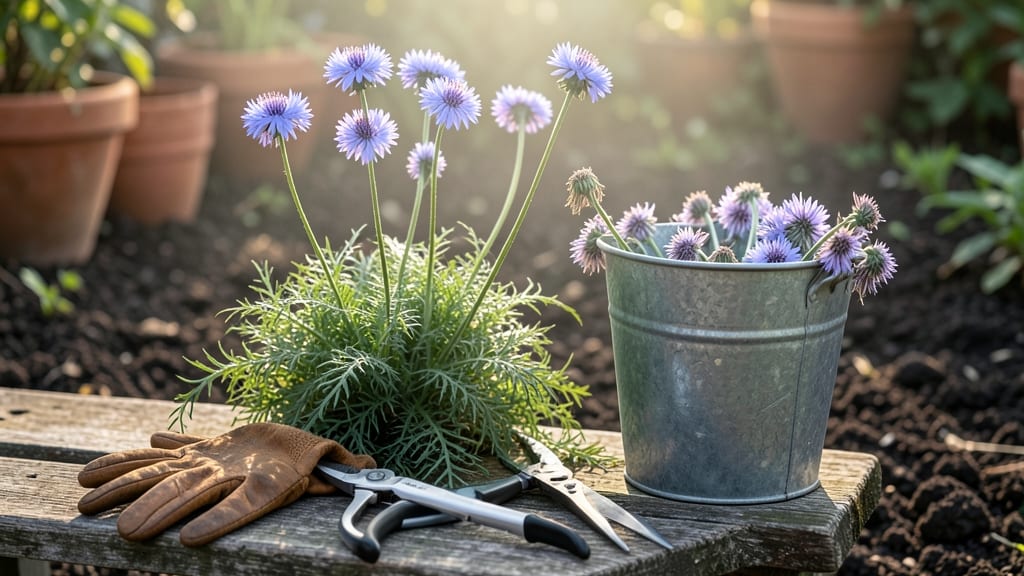
Cornflowers keep blooming like clockwork—if you know this one trick. ✂️ I used to let mine fade into brown, but after learning to deadhead, my patch stays vibrant from June through frost. The secret? Three precise cuts that take less than a minute per stem.
You’ll need sharp pruners (or clean scissors) and a sunny afternoon. The goal is to snip just above the next set of leaves where the flower meets the stem—this signals the plant to produce fresh blooms instead of seeds. Cornflowers have delicate stems, so grip firmly to avoid crushing them.
Timing matters: deadhead right after the petals wilt but before the seed head forms. I check my patch every 3-4 days during peak bloom, and within a week, new buds appear. The flowers stay bright blue, not dull brown, and the plants focus energy on blooms instead of seed production.
This same method works for zinnias, cosmos, and marigolds—any annual that keeps producing flowers. The key is consistency. Once you see how quickly new blooms appear, you’ll never let a single cornflower go to seed again.
📚 In This Guide
- What you need
- Instructions
- Tips and common mistakes
- Wrapping up and next steps
What you need
- ● Pruning shears or sharp scissors: Choose a pair with bypass blades (not anvil-style) for clean cuts. A 5-inch to 7-inch size works best for most cornflower stems.
- ○ Gloves (optional but recommended): Wear gardening gloves to protect your hands from thorns or prickly stems. Lightweight, breathable fabric is ideal.
- ● Bucket or container: A 5-gallon bucket or similar-sized container to collect spent blooms and debris. A mesh bag inside helps with airflow if composting.
- ○ Water spray bottle (small, 8-16 oz): For a quick rinse of tools or hands after cutting. Optional but handy for sticky or dusty conditions.
- ● Disinfectant (rubbing alcohol or bleach solution): Wipe down shears with 70% isopropyl alcohol or a 1:9 bleach-water mix between cuts to prevent disease spread.
- ● Knee pad or stool: For comfort if you’re deadheading a large patch. A foldable kneeler or small garden stool works great.
- ● Pruning saw (for thick stems): If your cornflowers have unusually thick or woody stems, a small hand saw can make the job easier.
- ● Compost bin or bag: For disposing of spent blooms. Cornflower debris breaks down quickly and adds nutrients to compost.
Step-by-step instructions for deadheading cornflowers
Here's the easy method I use to keep my cornflowers blooming all summer long.
✂️ Step 1: Wait for the Right Time to Cut
Deadhead cornflowers when the petals start to fade and curl back slightly—this usually happens about 3-5 days after full bloom. You'll notice the vibrant blue or pink petals lose their crispness and begin to droop. Cutting too early removes flowers that could still attract pollinators, while waiting too long lets seeds form, which diverts energy from new blooms.
I always work in the morning when the flowers are fully open and the stems are firm. This timing ensures you're cutting at the plant's peak energy, and the fresh cuts will encourage new growth. Avoid deadheading on hot afternoons—the stems can be rubbery and harder to cut cleanly.
✂️ Step 2: Make the Perfect Cut
Use clean, sharp pruners or scissors to cut the stem just above a set of healthy leaves or a side bud. Look for a small bump or node where new growth can emerge. This is your signal point—cutting here encourages the plant to branch out and produce more flowers. If you cut too close to the leaves, you risk damaging the plant's growth points.
For cornflowers, I aim to leave about ½ inch of stem above the leaves. This small stub helps protect the plant from disease while still allowing new shoots to develop. Avoid tearing the stem—always make a clean, diagonal cut at a 45-degree angle. This technique prevents water from pooling on the cut surface, which can lead to rot.
✂️ Step 3: Remove Spent Blooms Completely
Pull or snip off the entire faded flower head, including the seed pod if it's already formed. Cornflowers are self-seeding, so if you leave the seed heads, they'll drop to the ground and sprout new plants next year. While this can be convenient, it also means fewer blooms on your current plant since energy goes into seed production instead of new flowers.
I like to gather the spent blooms in a small bucket or bag to compost later. This keeps my garden tidy and gives me a chance to appreciate the beauty of the flowers even after they've faded. If you notice any brown or mushy stems while deadheading, remove those immediately—they're signs of disease and should be discarded, not composted.
🌱 Step 4: Encourage New Growth
After deadheading, give your cornflowers a light watering to help them recover. The plant will direct its energy toward producing new side shoots and flowers rather than maintaining the spent blooms. You'll often see new buds forming within 1-2 weeks, especially if your cornflowers are in a sunny spot with well-draining soil.
This is also a good time to check the overall health of your plant. Look for any signs of pests like aphids or powdery mildew on the leaves. If you spot any issues, treat them immediately with a gentle insecticidal soap or neem oil. Healthy plants bounce back quickly after deadheading and will reward you with continuous blooms throughout the season.
⏰ Step 5: Repeat Regularly for Continuous Blooms
Cornflowers are prolific bloomers, but they need regular deadheading to keep producing. I make it a habit to check my plants every 3-5 days during peak bloom season. This frequent attention keeps the flowers coming and prevents the plant from putting too much energy into seed production.
Here's the thing—cornflowers are drought-tolerant, but they still need consistent care. After each deadheading session, I take a moment to gently brush away any debris from the base of the plant. This simple step prevents disease and keeps the foliage looking fresh. With this regular maintenance, your cornflowers will stay vibrant and full of life from early summer until the first frost.
Tips & tricks for perfect deadheading cornflowers
These simple tricks will help you keep your cornflowers looking fresh and vibrant all season long.
Timing Tip: I've found that deadheading in the late afternoon works best—this gives your plants time to recover before nightfall. The flowers will still look fresh in the morning, and you'll avoid stressing the plants during peak heat. This timing also lets you work at a more comfortable pace after the sun's intensity has passed.
Tool Technique: Always use clean, sharp pruners or scissors for deadheading. Dull blades can crush stems and create entry points for disease. After each cut, wipe down your tools with rubbing alcohol to keep them sterile. I keep a small bottle of alcohol in my gardening toolkit for quick cleanups between plants. This simple habit makes a huge difference in plant health.
Visual Cue: When identifying flowers to cut, look for that perfect moment when petals are fully open but still bright blue. The stamens should still be vibrant, not brown or papery. This is your signal that the flower has finished blooming and is ready to be removed. I often run my thumb along the petals to check texture—if they feel crisp, it's time to cut.
Growth Hack: For bushier cornflowers, focus on cutting back main stems after they've produced several blooms. Look for stems with multiple sets of leaves and at least three flower buds. Cut just above the lowest set of leaves or strongest side bud. You'll notice new side shoots emerging within a week or two, creating a fuller, more vibrant plant. This technique works especially well with cornflowers because they're so resilient.
Pro Tips for Deadhead Cornflowers
- These simple tricks will help you keep your cornflowers looking fresh and vibrant all season long.
- Timing Tip: I've found that deadheading in the late afternoon works best—this gives your plants time to recover before nightfall.
- Tool Technique: Always use clean, sharp pruners or scissors for deadheading.
Frequently asked questions
Got questions about deadheading cornflowers? You’re not alone! Here are answers to the most common queries to help you keep your blooms thriving.
When is the best time to deadhead cornflowers?
Deadhead cornflowers after they fade—ideally in the morning when the flowers are dry. This prevents seed formation and redirects energy to new blooms. For continuous color, check plants weekly during peak bloom (late spring to early fall).
How do I know if I’m deadheading correctly?
You’re on the right track if you’re cutting just above the first set of healthy leaves (about ¼ inch above). Avoid cutting into woody stems—this can stress the plant. If you see new buds forming below the cut, you’ve nailed it!
What if my cornflowers stop blooming after deadheading?
Don’t worry! Cornflowers may take 2–4 weeks to rebound. Ensure they get full sun (6+ hours/day) and well-draining soil. Over-fertilizing can also reduce blooms—stick to a light, balanced feed in early spring.
Can I deadhead cornflowers too much?
Yes! Over-deadheading removes too many leaves, which feed the plant. Aim to remove only faded blooms and leave at least ⅓ of the foliage intact. If you see sparse regrowth, ease up on pruning.
What’s the difference between deadheading and pruning cornflowers?
Deadheading = trimming spent blooms to encourage more flowers. Pruning = cutting back entire stems or leggy growth to shape the plant or rejuvenate it. For cornflowers, focus on deadheading first—prune only if stems look woody or overcrowded.
Still stumped? Snap a photo of your plant and compare it to the steps above—you’ll spot the issue in no time!
Wrapping up and next steps
Deadheading cornflowers is a simple yet powerful way to keep your garden vibrant and full of life! 🌸 With just a few snips, you’ll encourage longer blooms, healthier plants, and a stunning display all season long.
Whether you’re a seasoned gardener or just starting out, these easy steps will help you master the art of deadheading.
Now that you’re ready to give it a try, grab your shears and head to the garden—your cornflowers will thank you! For even more tips, check out how to propagate cornflowers next to grow even more of these cheerful blooms.