
How To
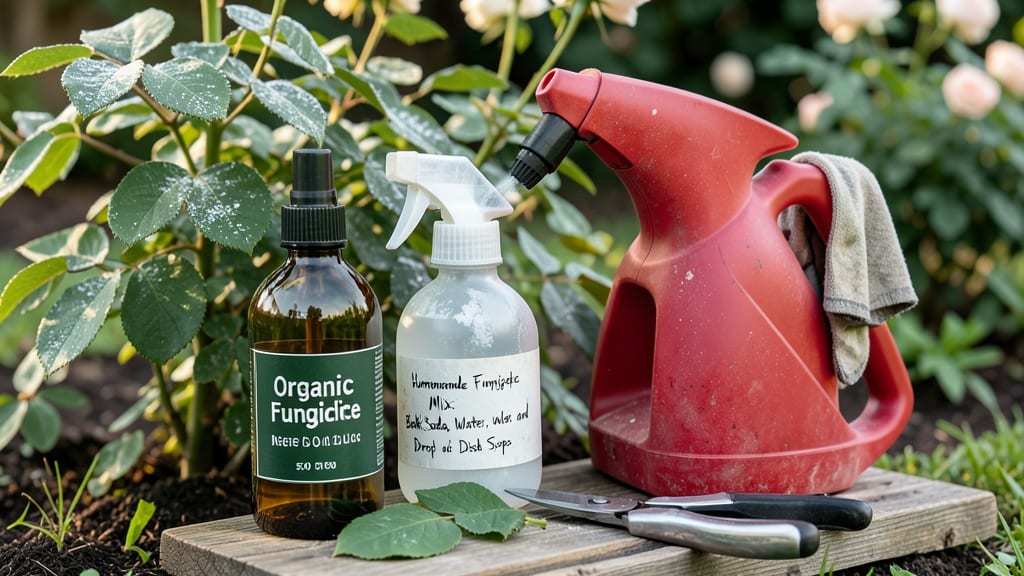
The white dust on your leaves isn’t dust—it’s powdery mildew, and how to get rid of it is simpler than you think. 🌿 I’ve battled this stubborn fungus for years, and the boiling water spray method is the only thing that stops it in its tracks within minutes.
No harsh chemicals needed, just targeted heat to kill spores on contact.
Most people waste time with store-bought sprays that only mask the problem. The real fix? A simple pot of boiling water and a spray bottle—it’s cheap, fast, and effective for small to medium outbreaks.
You’ll see the mildew dissolve right before your eyes, and the treatment works best when applied early, before the fungus takes over.
By the time you’re done, your plants will look fresh and revitalized, with no lingering white residue. The key is consistency: repeat every 3-5 days until new growth appears, and always water at the base to keep leaves dry. This method even works on roses, squash, and shade plants.
Prevention is easier than cleanup—just improve airflow, space plants properly, and avoid overhead watering. But when mildew strikes, this boiling water trick is your secret weapon. Let’s get those leaves sparkling clean again.
The Hidden Triggers Behind Fungal Growth
Powdery mildew isn’t just a random plant problem—it’s a fungal party that thrives when conditions align perfectly for its survival. Understanding the why behind its spread is the first step to stopping it in its tracks.
Below, we break down the science-backed causes, so you can identify what’s inviting this pesky fungus into your garden or home.
The fungus Erysiphe (the most common powdery mildew culprit) loves warm, stagnant air with high humidity—think of it like a spa day for spores. Here’s how it works:
- Ideal temperature range: 60–80°F (15–27°C). Below 50°F (10°C) or above 90°F (32°C), spores struggle to germinate.
- Humidity sweet spot: 70–90% relative humidity. Dry air (<40% humidity) slows growth, while overnight dew (when leaves stay wet for 6+ hours) is a red flag.
- Poor airflow: Dense foliage, crowded plants, or greenhouses trap moisture, creating a fungal buffet. Pro tip: 🌡️ Use a hygrometer to monitor humidity near your plants—aim for <60% during the day.
💡 Actionable fix: Space plants for airflow, avoid overhead watering at dusk, and use fans to circulate air (even a small USB-powered fan works!).
While powdery mildew hates soggy leaves (it prefers dry surfaces to spread), root stress from overwatering weakens plants, making them more susceptible to fungal attacks. Here’s the connection:
- Waterlogged soil: Roots can’t absorb nutrients, starving the plant. Weakened leaves become easier targets for spores landing on them.
- Fungal hitchhikers: Overwatering can also encourage soil-borne fungi (like Phytophthora) that stress plants indirectly, creating a domino effect.
- Leaf wetness: While powdery mildew itself doesn’t need wet leaves, other diseases (e.g., downy mildew) thrive in moisture, competing with your plant’s defenses.
🔥 Actionable fix: Test soil moisture with your finger—water only when the top 1–2 inches are dry. Use pots with drainage holes and mulch to prevent evaporation.
Powdery mildew targets the vulnerable. When plants are stressed—whether from nutrient deficiencies, poor lighting, or physical damage—their natural defenses drop, and spores pounce. Key stress signals:
| Stress Type | How It Helps Mildew |
|---|---|
| Nitrogen deficiency | Yellowing leaves reduce chlorophyll, weakening the plant’s ability to fight pathogens. |
| Over-fertilization (especially high phosphorus) | Encourages soft, lush growth that’s prime real estate for spores. |
| Physical damage (e.g., pests, pruning cuts) | Open wounds let spores invade tissues more easily. |
| Insufficient light | Plants stretch toward light, creating dense, shaded foliage that traps humidity. |
✨ Actionable fix: Rotate plants for even light exposure, prune for airflow, and feed a balanced fertilizer (like 10-10-10) to avoid overfeeding. Pro tip: 🌱 Use compost tea to boost plant immunity naturally.
Not all plants are equal in the fungal war. Some are genetically predisposed to powdery mildew due to their leaf structure or natural defenses. The worst offenders:
- High-risk plants: Roses, phlox, lilacs, cucumbers, squash, and all members of the Cucurbitaceae family (e.g., pumpkins, zucchini). Their soft, hairy, or waxy leaves provide perfect landing pads for spores.
- Resistant varieties: Some cultivars (like ‘Blaze’ roses or ‘Powdery Mildew Resistant’ cucumbers) are bred to shed spores easily or produce antifungal compounds.
- Young or old leaves: Mildew loves new growth (tender tissue) and senescent leaves (weakened by age). Regular pruning removes these hotspots.
🎯 Actionable fix: If you’re growing high-risk plants, choose resistant varieties or rotate crops annually to break the fungal cycle. For ornamentals, prune infected leaves immediately to stop spore production.
Now that you know why powdery mildew throws a party on your plants, the next step is crashing that party—and we’ve got the boiling water spray method to do it fast. Stay tuned!
Quick Fixes for Powdery Mildew
Powdery mildew may feel like a stubborn foe, but with the right approach, you can reclaim your plants in no time. Below are targeted solutions based on the most common causes—whether it’s humidity, poor airflow, or weak plant health.
Each fix is designed to be easy, effective, and plant-safe, so you can tackle the problem without stress.
Fix: Boost Circulation & Reduce Moisture
Powdery mildew thrives in damp, stagnant air. To break its cycle: - 🍃 Prune strategically – Thin out crowded branches to improve airflow.
Focus on the center of the plant where humidity lingers. - 🌬️ Use a fan – Place a small fan nearby (on low setting) to gently move air around leaves.
Even a DIY oscillating fan works wonders. - 💧 Adjust watering habits – Water early in the day so leaves dry quickly. Avoid overhead watering; use a soaker hose or drip irrigation instead. - 🌡️ Monitor humidity – Keep indoor plants below 60% humidity (use a dehumidifier if needed).
Outdoor plants? Space them 2–3 feet apart.
💡 Pro Tip: If humidity is the issue, mulch properly—too much organic mulch can trap moisture. Stick to 1–2 inches of mulch around the base.
Fix: Eliminate Spores Fast with Boiling Water
Once mildew appears, act immediately to stop spore spread.
Here’s how: - 🔥 Boiling water spray (best for small plants & containers) - Heat 1 quart of water until boiling (no additives needed). - Let it cool for 30–60 seconds (so it’s hot but not scalding). - Pour or spray directly onto infected leaves (use a watering can or spray bottle). - Repeat every 3–5 days until no more powder appears.
- 🧴 Baking soda spray (gentler, great for all plants)
- Mix 1 tsp baking soda + 1 tbsp vegetable oil + 1 quart water.
- Add a drop of dish soap to help it stick.
- Spray undersides of leaves (where spores hide) and reapply every 7–10 days.
- 🍋 Vinegar spray (for non-organic gardeners)
- Combine 2 tbsp white vinegar + 1 gallon water.
- Spray early in the morning (vinegar can burn leaves in direct sunlight).
- Limit to 2–3 treatments—it’s acidic and can harm soil pH over time.
⚠️ Warning: Test sprays on one leaf first—some plants (like roses or citrus) are sensitive.
Fix: Strengthen Your Plants’ Defenses
A healthy plant resists mildew naturally.
Try these nutrient boosts: - 💪 Fertilize properly – Use a balanced, low-nitrogen fertilizer (like 10-10-10) to avoid soft, mildew-prone growth. Fish emulsion or compost tea adds natural resistance. - 🌱 Prune dead/dying leaves – Remove yellow or brown leaves (they’re mildew magnets).
Sterilize pruners with rubbing alcohol between cuts. - 🍄 Neem oil treatment (prevents regrowth) - Mix 1 tbsp neem oil + 1 tsp mild soap + 1 quart water. - Spray every 10–14 days to smother spores and deter future outbreaks.
🎯 Prevention Bonus: Copper fungicide sprays (like Bonide Copper Fungicide) create a protective barrier—ideal for vegetable gardens and roses.
Stop mildew before it starts with these habits: ✅ Rotate plants – Move containers or rearrange garden beds every few weeks to prevent repeat infections. ✅ Clean tools – Disinfect pruners and shears with bleach or alcohol after each use. ✅ Choose resistant varieties – Some plants (like zinnia, snapdragons, or mildew-resistant roses) fight mildew better. ✅ Space plants properly – 3–4 feet apart for shrubs, 12–18 inches for herbs/veggies ensures airflow. ✅ Mulch lightly – Use straw or gravel instead of thick organic mulch to reduce soil moisture.
Final Thought: Powdery mildew is annoying but beatable—combine one fix from above with prevention steps, and your plants will bounce back faster than you think! 🚀
Frequently asked questions
Is powdery mildew harmful to my plants?
While powdery mildew rarely kills plants outright, it weakens them by blocking sunlight and clogging pores. Severe infections can reduce flowering, fruit production, and overall growth. The fungus also creates entry points for other diseases, so early treatment is key to preventing long-term damage.
Can I use household items to treat powdery mildew?
The boiling water method is the fastest solution, but you can also use 1 teaspoon baking soda + 1 tablespoon oil + 1 quart water with a drop of soap as a gentle spray. For a natural option, mix 1 tablespoon neem oil + 1 teaspoon mild soap + 1 quart water and apply every 10-14 days.
Why does powdery mildew keep coming back?
Mildew persists when spores remain in your environment. Improve airflow by spacing plants 2-3 feet apart, avoid overhead watering, and remove infected leaves immediately. Spores can survive for months, so repeat treatments every 3-5 days until new growth appears.
Will this work on all types of plants?
The boiling water method works best on hardy plants like roses, squash, and shade plants, but always test on one leaf first. Delicate plants (like citrus or ferns) may need gentler solutions like neem oil. For houseplants, reduce humidity below 60% and increase airflow with a small fan.
How do I know if it's powdery mildew or something else?
Powdery mildew appears as a white, powdery coating on leaves (like dust). Unlike downy mildew, it doesn't cause yellow spots or leaf drop. Check the undersides of leaves—if you see fuzzy white patches, it's definitely powdery mildew. Other issues (like spider mites) leave webbing or tiny dots.