
Blooming
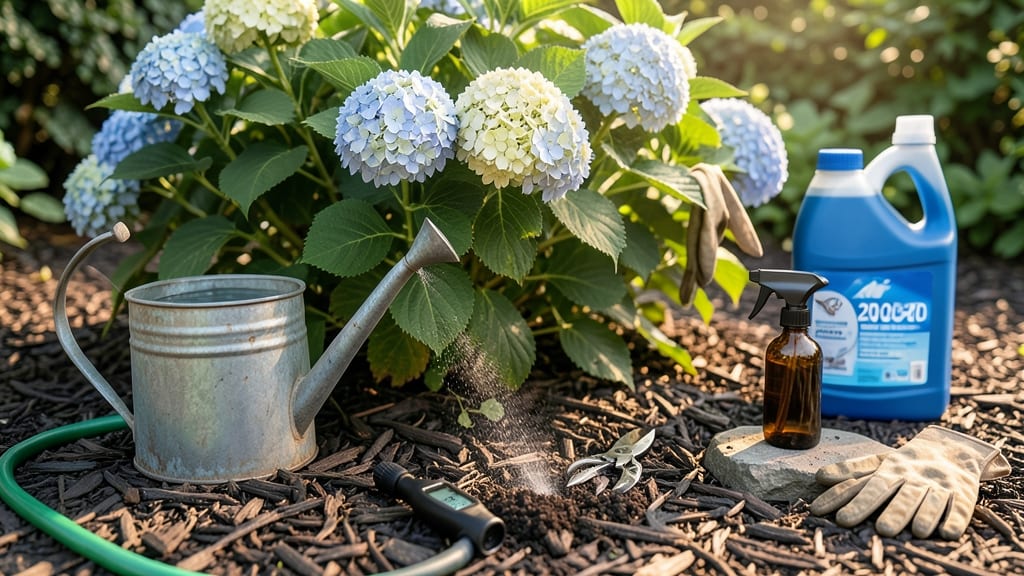
How to keep hydrangeas blooming all summer—it’s possible, and I’ll show you exactly how. 🌸 The trick isn’t just water or fertilizer; it’s timing, variety care, and knowing when to cut (and when not to). One wrong move and your plants throw all their energy into leaves instead of flowers.
Start with the right pruning: mophead types bloom on old wood, so prune after flowering; panicle types bloom on new growth, so prune in late winter. Feed with a bloom booster every 4-6 weeks, and deadhead spent blooms to encourage more flowers.
Heat stress? Mulch deeply and water at the roots—not the leaves.
By mid-summer, you’ll see fresh buds forming where others give up. The key is consistency: water deeply 2-3 times per week, protect from afternoon sun, and adjust fertilizer based on leaf color. Yes, it takes patience—but the payoff is hydrangeas that keep blooming until frost.
Works for both container and in-ground plants, and the same principles apply whether you’re growing mopheads, panicles, or lacecaps. Here’s how to make it happen without the guesswork—no more sad, half-bloomed bushes by August.
📚 In This Guide
- What you need
- Instructions
- Tips and common mistakes
- Wrapping up and next steps
What you need
- ● Pruning shears – Sharp, clean bypass pruners (avoid anvil-style to prevent crushing stems). Size: 5-7 inches for precision.
- ○ Gloves – Heavy-duty gardening gloves (hydrangeas can have thorns!). Optional: Nitrile-coated for extra grip.
- ● Watering can or hose with a gentle spray nozzle – Capacity: 1-2 gallons for deep watering.
- ● Balanced fertilizer – Type: 10-10-10 or 20-20-20 (granular or liquid). Amount: Follow package rates (typically 1-2 tbsp per plant).
- ● Slow-release fertilizer or organic options – Examples: Osmocote, compost, or worm castings for steady nutrition.
- ● Mulch – Types: Shredded bark, pine straw, or compost. Depth: 2-3 inches around the base (keep 6 inches from stems).
- ○ Deadheading tool (optional) – Small, clean scissors or your fingers (if you’re gentle!).
- ● pH test kit – To monitor soil acidity (hydrangeas love pH 5.5-6.2). Budget pick: Digital testers or DIY vinegar/baking soda tests.
- ● Aluminum sulfate or hydrangea bloom booster – For blue blooms (if your soil is alkaline). Amount: 1 tbsp per gallon of water, applied monthly.
- ● Plant supports (stakes or cages) – For large varieties like Hydrangea paniculata (e.g., ‘Limelight’).
- ● Rain gauge or moisture meter – To track watering consistency (hydrangeas need 1-1.5 inches per week).
Step-by-step instructions for year-round hydrangea bloom maintenance
Here's how I keep my hydrangeas flowering nonstop—no more sporadic blooms or leggy stems.
✂️ Step 1: Prune at the Right Time for Continuous Blooms
Hydrangeas bloom on old wood (last year's growth) and new wood (current year's growth), depending on the variety. For bigleaf hydrangeas, prune immediately after flowering in late summer to encourage next year's blooms. Cut back one-third of the oldest stems to the first set of strong buds, using clean, sharp pruners to avoid tearing.
For panicle and smooth hydrangeas, which bloom on new wood, prune in late winter or early spring before new growth begins. Remove dead or crossing branches first, then cut back remaining stems to 4-6 inches above the ground. This aggressive pruning triggers bushier, more abundant flowering later in the season.
Real talk: If you prune at the wrong time, you'll sacrifice blooms. I always mark stems with a ribbon after summer pruning so I don't accidentally cut them again in spring.
💧 Step 2: Water Deeply and Consistently for Vibrant Flowers
Hydrangeas need 1-1.5 inches of water per week, including rainfall. I water deeply twice weekly during dry spells, soaking the soil to 12 inches deep. Shallow watering stresses roots and leads to weak stems that can't support heavy flower heads.
Check moisture by sticking your finger 2 inches into the soil—if it feels dry, water immediately. Mulch with 2-3 inches of shredded bark around the base to retain moisture and regulate soil temperature. Avoid letting the soil dry out completely between waterings, especially when buds form in late spring.
Here's the thing—hydrangeas wilt dramatically when thirsty, but they bounce back quickly if you catch it early. If leaves droop by midday, increase watering frequency until they perk up by evening.
☀️ Step 3: Feed for Lush Growth and Profuse Blooms
Apply a balanced, slow-release fertilizer (10-10-10 or 20-20-20) in early spring when new growth appears. Use half the recommended dose to avoid burning roots. For blue blooms, add aluminum sulfate (1 tablespoon per gallon of water) every 4-6 weeks during the growing season.
For pink blooms, use lime (1 tablespoon per gallon) instead. I mix the amendment into the top 2 inches of soil around the base, then water deeply to distribute it. Over-fertilizing causes more leaves than flowers, so I stick to the "less is more" rule—hydrangeas reward patience.
Don't skip this: If your hydrangeas produce fewer blooms year after year, they're likely nutrient-deficient. Yellowing leaves or sparse foliage are your first warning signs.
🌿 Step 4: Deadhead Strategically to Extend the Bloom Season
Remove spent flower heads by cutting the stem back to the first set of leaves below the bloom. This redirects the plant's energy into producing new flowers instead of setting seed. I deadhead every 2-3 weeks throughout the growing season to keep blooms coming.
For panicle hydrangeas, you can leave some spent blooms on the plant over winter—they add winter interest. But for bigleaf varieties, remove ALL dead flowers by late summer to encourage next year's buds.
Watch for this: If you see buds forming but never opening, your hydrangea is likely getting too little light. Move it to a morning sun/afternoon shade location for better bloom production.
⏰ Step 5: Protect for Fall and Winter to Ensure Next Year's Blooms
In late fall, apply a 3-inch layer of mulch around the base to insulate roots from freezing temperatures. For tender varieties in cold climates, wrap the plant in burlap or use a frost blanket after the first hard freeze. This prevents winter dieback that can reduce next year's flowering.
Prune any dead or damaged stems in early spring before new growth begins. Hydrangeas are surprisingly resilient—even if they lose a few branches over winter, they bounce back with vigorous new growth.
Here's my secret: I always prune and fertilize on the same day in early spring. It's a small habit, but it keeps my hydrangeas on track for a full season of blooms without any extra effort.
Tips & tricks for keeping hydrangeas blooming all summer
A few simple habits can transform your hydrangeas from seasonal bloomers to continuous showstoppers. Here's what I've learned after years of trial and error in my own garden.
Pruning Precision: Timing matters more than you think! For most hydrangeas, prune in late winter or early spring before new growth emerges. This is when the plant's energy is focused on fresh growth rather than established blooms. If you have bigleaf hydrangeas, hold off until after flowering—these beauties bloom on old wood. I always mark my calendar to avoid the common mistake of pruning too early.
Deadheading Strategy: Don't just cut off spent blooms—snip just above the next set of leaves or buds. This encourages the plant to redirect its energy into new flowers rather than seed production. I use clean, sharp pruners and make cuts at a 45-degree angle to prevent water from pooling on the stems, which can lead to rot. This small detail makes a big difference in summer blooms.
Watering Wisdom: Hydrangeas are thirsty plants, but consistency is key. Aim for about 1 to 1.5 inches of water per week, either from rainfall or supplemental watering. I water deeply in the morning to reduce evaporation and fungal risks. Mulching around the base with 2-3 inches of organic mulch helps retain moisture and regulate soil temperature—this is especially important during hot summer months when blooms are most vulnerable to stress.
Feeding Finesse: A balanced, slow-release fertilizer applied in early spring provides steady nutrition without overwhelming the plant. I avoid high-nitrogen fertilizers, which promote leafy growth at the expense of flowers. Instead, I opt for a 10-10-10 or 12-12-12 formula. For a natural boost, I incorporate compost into the soil annually—this improves soil structure and provides a steady supply of nutrients throughout the growing season.
Pro Tips for Keep Hydrangeas Blooming All Summer
- A few simple habits can transform your hydrangeas from seasonal bloomers to continuous showstoppers.
- Pruning Precision: Timing matters more than you think!
- Deadheading Strategy: Don't just cut off spent blooms—snip just above the next set of leaves or buds.
Frequently asked questions
Got questions about keeping your hydrangeas blooming all summer?
You’re not alone! Here are answers to the most common concerns—so you can enjoy those lush blooms from start to finish.
How often should I water hydrangeas to keep them blooming?
Hydrangeas need 1–1.5 inches of water per week, especially during hot summer months. Water deeply at the base (not overhead) to encourage strong roots and vibrant blooms. Pro tip: Mulch around the base to retain moisture and reduce evaporation.
When is the best time to prune hydrangeas for continuous blooms?
Timing depends on your hydrangea type:
- Bigleaf & Oakleaf: Prune right after flowering (late summer/early fall) to avoid cutting off next year’s buds.
- Panicle & Smooth Hydrangeas: Prune in late winter or early spring before new growth starts.
Why are my hydrangeas not blooming as much as they used to?
Common culprits include over-pruning, underwatering, or poor soil nutrients. Check for:
- Deadheading spent blooms to encourage new growth.
- Testing soil pH (hydrangeas love acidic to neutral soil for optimal blooms).
- Fertilizing with balanced blooming formula in early spring.
Can I use coffee grounds or vinegar to change hydrangea flower color?
Yes! To blue flowers, add coffee grounds or aluminum sulfate to acidic soil (pH < 6.0). For pink/purple blooms, raise pH with lime or wood ash. Vinegar (acetic acid) can lower pH temporarily, but use sparingly—too much harms roots. Test soil pH every 2–3 months for best results.
What pests or diseases should I watch for to prevent blooms from dying?
Keep an eye out for:
- Slugs/snails: Munch on buds—use beer traps or diatomaceous earth.
- Aphids/spider mites: Spray with neem oil or insecticidal soap.
- Powdery mildew: Prune for airflow and apply fungicide if spots appear.
Wrapping up and next steps
With the right care—pruning at the perfect time, feeding with balanced nutrients, and deadheading regularly—your hydrangeas can burst into nonstop summer blooms like a pro! 🌸 Remember, consistency is key: a little attention now means months of vibrant color later.
Ready to transform your garden? Grab your pruners, check your soil, and get ready to enjoy show-stopping hydrangeas all season long.
👉 Next step: Pick one tip from this guide and try it this weekend—your hydrangeas will thank you! 💦