
Companion Plants
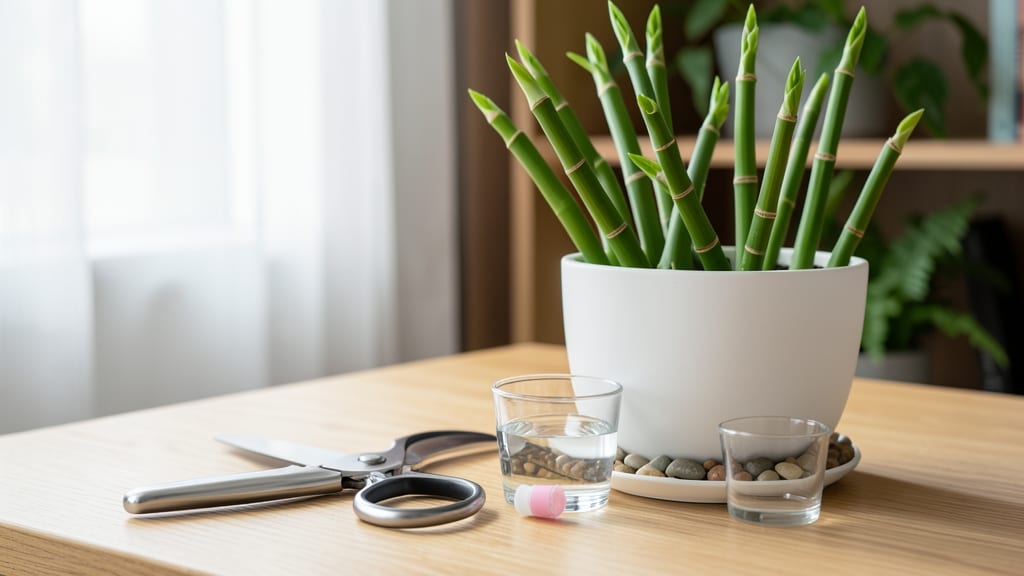
Cutting bamboo plants isn’t just pruning—it’s the secret to keeping these fast growers from taking over your yard. 🌱 I’ve learned the hard way that timing and technique make all the difference between a thriving clump and an invasive mess.
The right cuts encourage dense growth, while the wrong ones leave you with bare stems and frustrated neighbors.
You’ll need sharp pruners, gloves, and a clear day—running bamboo demands more caution than clumping types. The best time to cut is early spring before new shoots emerge, or late fall when growth slows.
For clumping varieties, divide every 3-5 years; running types need annual checks to control spread. Safety first: wear gloves and eye protection, as bamboo can be razor-sharp.
Start by removing dead or weak canes at the base, then cut back overgrown stems to encourage bushier growth. For division, dig around the clump and separate sections with at least one fan of leaves.
Replant divisions immediately in moist, well-draining soil. You’ll see thicker foliage and fewer bare stalks within weeks—proof the cuts worked.
Mistakes like cutting too late in the season or using dull tools stress the plant. Avoid over-pruning, which weakens growth, and never cut running bamboo’s underground rhizomes unless you’re ready for a battle.
With the right approach, your bamboo will reward you with lush, manageable plants that stay exactly where you want them.
📚 In This Guide
- What you need
- Instructions
- Tips and common mistakes
- Wrapping up and next steps
What you need
- ● Pruning shears or loppers – Choose bypass pruners (sharp, clean cuts) or loppers (for thicker stems, 1.5"–2" cutting capacity). Quantity: 1 pair.
- ● Garden gloves – Heavy-duty, cut-resistant gloves (bamboo has sharp edges!). Quantity: 1–2 pairs.
- ● Disinfectant (70% isopropyl alcohol or bleach solution) – 1:9 bleach-water mix to sterilize tools and prevent disease. Quantity: Small spray bottle or cup.
- ● Shovel or garden fork – For digging around roots (wide, sturdy head preferred). Quantity: 1.
- ○ Wheelbarrow or tarp – To transport cuttings or soil. Quantity: 1 (optional: 4x8 ft tarp for cleanup).
- ● Watering can or hose – For post-cut hydration. Quantity: 1.
- ● Rooting hormone – Speeds up growth for cuttings (powder or gel form).
- ● Mulch (straw or wood chips) – Protects newly divided plants from sun/heat.
- ● Measuring tape – To track plant height or spacing (10–20 ft range).
- ● Plant tags/labels – If propagating, label cuttings to track varieties.
- ● Knee pads or stool – For comfort during long sessions!
Step-by-Step instructions for cutting bamboo plants
Here's how I divide bamboo clumps to keep them healthy and thriving in your yard.
✂️ Step 1: Choose the Right Time and Tools
Spring is the best time to cut bamboo—right after new shoots emerge but before summer heat sets in. I always use sharp pruning shears or a clean handsaw for thicker stems. Disinfect your tools with rubbing alcohol to prevent spreading disease between cuts.
Look for new growth at the base of the clump—this signals the plant is actively growing and can handle division. Avoid cutting during drought or extreme heat, as the plant needs energy to recover. If you must divide in summer, do it early in the morning to minimize stress from the sun.
🌱 Step 2: Identify and Separate the Clumps
Dig around the base of the bamboo to expose the rhizomes—the horizontal underground stems that connect individual plants. You’ll see distinct sections with roots and shoots. Gently pull apart the clumps with your hands or a spade, ensuring each section has at least 3-4 shoots and a good root system.
I always keep one section in the ground as the mother plant—this ensures you have a healthy base for regrowth. If the rhizomes are tightly bound, use your handsaw to carefully cut between sections. Avoid tearing roots, as this can shock the plant and delay new growth.
🪴 Step 3: Transplant or Replant the Divisions
Dig holes in the new location that are twice as wide as the root ball but only as deep. Place each division into the hole, ensuring the crown (where the roots meet the stems) sits just above the soil line. This prevents rot and encourages strong regrowth.
Backfill with native soil and water deeply to settle the roots. I like to add a 2-inch layer of mulch around the base to retain moisture and suppress weeds. Avoid compacting the soil—just press it lightly to remove air pockets. Water again after a few days to help the roots establish.
✂️ Step 4: Prune and Maintain for Healthy Growth
After transplanting, trim any damaged or weak stems with your pruners to redirect the plant’s energy into new growth. Cut just above a leaf node (the bump where leaves or branches grow) to encourage bushier regrowth. Remove any dead or yellowing leaves to keep the plant focused on recovery.
Water the newly divided bamboo deeply once a week for the first month, then taper off to every 10-14 days once established. Avoid overwatering—bamboo roots need oxygen, and soggy soil can lead to rot. Fertilize lightly with a balanced 10-10-10 formula in early spring to support new growth.
⏰ Step 5: Monitor and Encourage Regrowth
Watch for new shoots emerging from the base of each division within 4-6 weeks. This is your sign that the plant is recovering well. If you notice yellowing or wilting, it might be stressed—check the soil moisture and adjust watering as needed.
I like to add a slow-release fertilizer in early summer to give the bamboo a boost. Avoid heavy pruning for at least a year—let the plant focus on establishing its root system. With proper care, your divided bamboo will thrive and fill out beautifully in no time.
Tips & tricks for perfect bamboo division
Dividing bamboo might seem intimidating, but these simple tricks will help you avoid common mistakes and ensure your plants thrive.
Timing is Everything: Spring is your golden window for dividing bamboo—right after new shoots appear but before summer heat arrives. I've learned this the hard way after watching plants struggle when divided too late. If you must divide in summer, do it early in the morning to avoid midday stress. The 4-6 week regrowth period mentioned in Step 5 actually starts from when you see those first fresh shoots in spring.
Rhizome Rescue Strategy: When separating clumps in Step 2, look for those distinct rhizome sections with at least 3-4 shoots each. Here's what I do: I gently wiggle each section while pulling—if it resists, you're probably tearing roots. For stubborn clumps, use your handsaw to make clean cuts between rhizomes rather than forcing them apart. Remember, each division needs its own root system to recover properly.
Transplanting Technique: The "twice as wide but only as deep" rule in Step 3 is critical for proper drainage. I like to loosen the soil around the hole with my fingers before placing the division in—this helps roots spread more easily. When backfilling, press lightly to remove air pockets, but don't compact the soil. The crown should sit just above soil level, which prevents rot while encouraging strong regrowth.
Post-Division Care: Those first 4 weeks after transplanting are crucial. I've found that watering deeply once a week (as mentioned in Step 4) helps establish roots faster. The mulch layer you add actually serves two purposes: retaining moisture AND preventing weeds that could compete with your bamboo for nutrients. Avoid fertilizing during this initial period—your plant needs to focus on root establishment first.
Pro Tips for Cut Bamboo Plants
- Dividing bamboo might seem intimidating, but these simple tricks will help you avoid common mistakes and ensure your plants thrive.
- Timing is Everything: Spring is your golden window for dividing bamboo—right after new shoots appear but before summer heat arrives.
- Rhizome Rescue Strategy: When separating clumps in Step 2, look for those distinct rhizome sections with at least 3-4 shoots each.
Frequently asked questions
Got questions about cutting bamboo? You’re not alone!
Here are some of the most common concerns—and straightforward answers—to help you tackle pruning like a pro.
When is the best time to cut bamboo plants?
The ideal window is late winter or early spring (before new growth starts). For tropical bamboo, prune during the dormant season (if applicable). Avoid cutting in fall—it can stress the plant before winter. Pro tip: If you must prune outside this window, do it on a cloudy day to reduce stress from sun exposure.
How do I know if I’m cutting bamboo at the right height?
Leave 1/3 to 1/2 of the plant’s height when pruning. For clumping bamboo, cut just above a node (the bump where leaves grow) to encourage bushier growth. Running bamboo? Trim back to the ground if overgrown, but never remove the rhizomes—they’re the plant’s lifeline! Warning: Over-trimming can weaken the plant.
Can I cut bamboo back too much? What are the signs?
Yes! If you cut more than 1/3 of the foliage at once, you’ll see yellowing leaves, stunted growth, or bare stems. Bamboo is resilient but not invincible—think of it like a haircut: gradual is better than drastic. If you’ve already overdone it, water deeply and fertilize lightly to help recovery.
What’s the difference between pruning and dividing bamboo?
Pruning = trimming back canes or leaves for shape or size. Dividing = digging up and splitting clumps to control spread or rejuvenate growth. When to divide? Every 3–5 years (or when the center dies out). When to prune? Yearly for maintenance. Need a refresher? Check out our guide on dividing bamboo for step-by-step help!
Will cutting bamboo attract pests or diseases?
Not if done correctly! Dirty or dull tools can spread bacteria/fungi, so sterilize blades with rubbing alcohol before and after cutting. Avoid pruning during wet weather—moisture + open wounds = pest party. Watch for: black spots (fungus) or chewed leaves (insects). If issues arise, treat with neem oil or copper fungicide.
Still stuck?
Drop your question in the comments—we’re happy to help your bamboo bounce back!
Wrapping up and next steps
Cutting and dividing bamboo isn’t just about trimming—it’s about revitalizing your plants and creating thriving new growth!
Whether you’re managing clumping varieties or controlling running types, the key lies in timing, sharp tools, and a little patience. 🌱 With the right techniques, you’ll enjoy healthier plants, expanded landscapes, and even fresh starts for friends or neighbors.
Ready to put your green thumb to work? Grab those pruners, mark your calendar for the best season, and get pruning! Your bamboo will thank you with lush, vibrant foliage all year long.