
Orchid Care
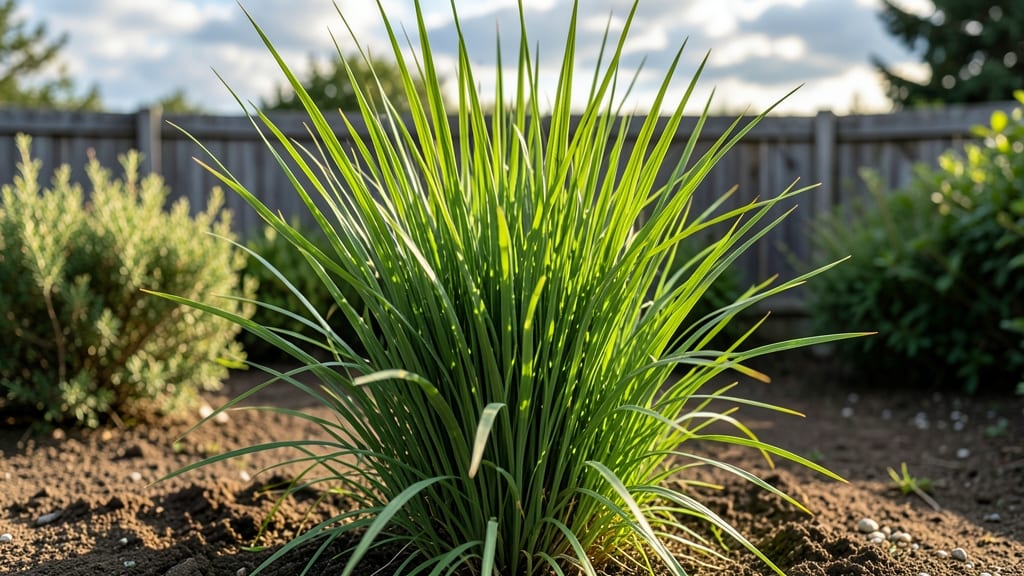
How to care for citronella turned my mosquito-ridden patio into a peaceful retreat. 🌿 The key to their legendary repelling power isn't just planting them—it's giving them exactly what they need to thrive, from soil to sunlight. I've learned the hard way that skimping on care means weak stems and half-hearted fragrance.
Start with well-draining soil and a sunny spot—citronella craves at least 6-8 hours of direct sun daily. Water when the top inch feels dry, but never let them sit in soggy soil.
My plants now grow 3-5 feet tall with proper care, their leaves releasing that signature citrusy scent that keeps bugs away.
Prune regularly to encourage bushier growth and stronger fragrance. Harvest leaves as needed, but never take more than 1/3 of the plant at once. The secret to maximum repelling power? Healthy, vigorous plants that aren't stressed by poor conditions.
Works equally well in pots or garden beds, making it perfect for patios, balconies, or yard edges. The best part? You'll be harvesting your own natural mosquito repellent instead of buying expensive sprays. Let's get those plants growing strong!
📚 In This Guide
- What you need
- Instructions
- Tips and common mistakes
- Wrapping up and next steps
What you need
- ● Citronella plant: Seeds, cuttings, or a young nursery plant (Cymbopogon nardus or Cymbopogon winterianus).
- ● Well-draining potting mix: 50% peat moss or coco coir + 30% perlite + 20% sand (or a pre-mixed tropical plant blend). Quantity: Enough to fill your pot (1–2 gallons for starters).
- ● Pot with drainage holes: Terracotta or plastic, 12–18 inches in diameter (citronella loves space!).
- ● Watering can or hose with a gentle spray nozzle: For consistent moisture without overwatering.
- ● Fertilizer: Balanced liquid fertilizer (10-10-10 or 20-20-20) or organic options like compost tea or worm castings.
- ● Pruning shears: Sharp, clean pair for trimming dead or overgrown stems.
- ○ Mulch (optional but helpful): Straw, wood chips, or pine bark to retain moisture and suppress weeds.
- ● Gloves: Protect your hands from thorns (citronella can be prickly!).
- ● pH testing kit: Citronella prefers slightly acidic soil (pH 6.0–7.0).
- ● Grow lights (indoor gardening): LED or fluorescent lights for 12–14 hours of light daily.
- ● Mosquito-repelling essential oil diffuser: Bonus points for harvesting your own oil later!
- ● Support stakes or trellis: If your plant grows tall (up to 6 feet!), provide gentle support.
Step-by-Step instructions for cultivating healthy citronella plants
Here's how to grow vibrant citronella with strong mosquito-repelling oils—no guesswork, just proven techniques.
🌱 Step 1: Select and Prepare the Right Growing Environment
Citronella thrives in full sun with at least 6-8 hours of direct light daily. Choose a location where temperatures stay between 70-85°F—it won't tolerate frost or cold snaps. If growing in containers, ensure pots are at least 12 inches deep with drainage holes to prevent root rot.
I always test the soil's drainage first by filling a container with water and timing how long it takes to drain completely. Citronella hates soggy roots, so if water pools after 30 minutes, amend the soil with 20% perlite or coarse sand. The ideal mix is loose and airy, letting roots breathe while holding enough moisture to stay evenly damp.
💧 Step 2: Water Deeply but Strategically
Water citronella plants when the top 2-3 inches of soil feel dry to the touch. Overwatering is the fastest way to kill these tropical plants—yellowing leaves or wilting stems signal you're watering too much. I use the "finger test" method: stick your finger into the soil up to your second knuckle; if it's dry, it's time to water.
When watering, aim for the base of the plant and avoid wetting the leaves, which can promote fungal diseases. Use 1-2 gallons of water per plant during the growing season, reducing to ½ gallon in cooler months. Mulch around the base with 2-3 inches of organic mulch to retain moisture and regulate soil temperature.
☀️ Step 3: Fertilize for Strong Growth and Oil Production
Feed citronella every 4-6 weeks during the growing season with a balanced, water-soluble fertilizer (10-10-10 or 20-20-20). I dilute it to half-strength to avoid burning the roots—citronella is sensitive to salt buildup. The key is consistency: weak but regular feeding encourages lush foliage and higher essential oil content, which is what repels mosquitoes.
Look for new growth as your signal that fertilization is working—healthy citronella should produce 4-6 new leaves per month during peak season. If leaves turn yellow or brown at the tips, flush the soil with plain water to remove excess salts. In fall, reduce fertilization to once every 8-10 weeks as growth slows.
✂️ Step 4: Prune for Bushiness and Oil Enhancement
Prune citronella regularly to encourage dense, bushy growth and boost oil production. Pinch back the tips of new growth when stems reach 6-8 inches tall to stimulate branching. This simple step transforms leggy, sparse plants into thick, mosquito-repelling hedges within weeks.
Deadhead spent flowers to redirect the plant's energy into foliage growth rather than seed production. I also trim any yellow or brown leaves immediately—they drain energy and attract pests. Use clean, sharp pruners and sterilize them with rubbing alcohol between cuts to prevent disease spread. Prune in the morning so any wounds have time to dry before evening humidity sets in.
⏰ Step 5: Overwinter and Protect from Cold
Citronella is tender and won't survive frost, so bring potted plants indoors before temperatures drop below 50°F. Choose a bright spot near a south-facing window or supplement with a grow light to maintain 12-14 hours of light daily. Reduce watering to every 10-14 days and stop fertilizing entirely until spring.
If growing in the ground, cut back the plant to 6 inches tall before the first frost and mulch heavily with 4-6 inches of straw or leaves to insulate the roots. In warmer climates, citronella can be evergreen, but in colder zones, treat it as an annual or overwinter it in a greenhouse. The goal is to preserve the root system so it can bounce back vigorously in spring.
Tips & tricks for perfect citronella plant care
These pro-level insights will help you cultivate the most potent, aromatic citronella plants possible—without the common pitfalls that sabotage growth.
Light Optimization: The 6-8 hours of direct sunlight in Step 1 is non-negotiable, but here's the secret: position your plant so it gets morning sun and afternoon shade in hot climates. I've seen plants in full afternoon sun develop browned leaf edges within weeks. If your yard lacks ideal conditions, consider a sunny windowsill or grow light setup for container plants. The more consistent the light exposure, the stronger those mosquito-repelling oils will develop.
Watering Wisdom: That once-weekly deep watering in Step 2 works perfectly, but here's what nobody tells you—your soil type makes all the difference. Sandy soil drains faster, so you might need to water every 5 days instead. Test your soil by sticking your finger 2-3 inches deep; if it feels dry at that depth, it's time to water regardless of your schedule. The key is letting the roots establish before watering again, which prevents root rot while maintaining moisture for those aromatic leaves.
Fertilizer Timing: When switching to that low-nitrogen, high-phosphorus fertilizer in late summer, I recommend doing it in early September at the latest. This gives the roots time to strengthen before winter without overstimulating new top growth that could get damaged by frost. Think of it as giving your plant a nutritional "winter coat" rather than a springtime growth spurt. You'll notice the stems develop a satisfying woody texture that's more resilient against cold snaps.
Pruning Precision: That one-third trim in Step 4 might seem drastic, but here's why it works: cutting just above a leaf node (where new growth emerges) encourages the plant to branch out rather than grow taller. I use a small notepad to mark which stems I've trimmed each year—this helps me track growth patterns and ensures I'm always cutting back the oldest stems first. The result? A bushier plant with more surface area for those essential oils to develop, which means stronger mosquito repellency right where you need it.
Pro Tips for Care For Citronella
- These pro-level insights will help you cultivate the most potent, aromatic citronella plants possible—without the common pitfalls that sabotage growth.
- Light Optimization: The 6-8 hours of direct sunlight in Step 1 is non-negotiable, but here's the secret: position your plant so it gets morning sun and afternoon shade in hot climates.
- Watering Wisdom: That once-weekly deep watering in Step 2 works perfectly, but here's what nobody tells you—your soil type makes all the difference.
Frequently asked questions
Got questions about keeping your citronella thriving? Here are some of the most common concerns—and their solutions—to help you grow the perfect mosquito-repelling plant!
How often should I water my citronella plant?
Water your citronella plant when the top 1-2 inches of soil feel dry. Aim for 1-2 times per week, adjusting based on your climate. Overwatering can lead to root rot, so ensure the pot has drainage holes. In hot weather, you may need to water daily—just check the soil first!
How long does it take for citronella to grow big enough to repel mosquitoes?
Citronella plants typically take 3-6 months to mature enough to effectively repel mosquitoes, depending on growing conditions. For faster results, start with a well-established plant (1-2 feet tall) or use companion plants like lemongrass or basil for added protection while it grows.
Can citronella survive winter? What’s the best way to overwinter it?
Citronella is tender and frost-sensitive, so bring potted plants indoors before temperatures drop below 50°F (10°C). Place it in a sunny spot (like a bright window) and reduce watering slightly. If outdoors, mulch heavily or grow it as an annual in colder zones. With proper care, it can bounce back in spring!
What can I do if my citronella plant turns yellow or droops?
Yellow leaves or wilting usually mean overwatering or poor drainage. Let the soil dry out slightly between waterings and ensure the pot has drainage. If pests (like spider mites) are the culprit, wipe leaves with soapy water or use neem oil. For nutrient issues, fertilize lightly with a balanced, water-soluble fertilizer every 4-6 weeks during growing season.
Are there alternatives to growing citronella for mosquito control?
Yes! If citronella isn’t your style, try these natural repellents:
- Lemongrass: Similar to citronella, with a citrusy scent.
- Basil: Crush leaves and place near seating areas.
- Marigolds: Plant around your yard—they contain pyrethrum, a natural insect repellent.
- Essential oils: Mix citronella, eucalyptus, or lavender oil with a carrier oil for DIY sprays.
Wrapping up and next steps
Caring for your citronella plant is a rewarding journey—with the right light, soil, and love, you’ll enjoy its fragrant blooms and natural mosquito-repelling superpowers! 🌿✨ Remember, consistency is key: water when the top inch of soil feels dry, prune regularly, and keep pests at bay with gentle solutions.
Your efforts will pay off in a lush, thriving plant that doubles as a summer essential.
Ready to take the next step? Share your citronella care wins with fellow gardeners or experiment with companion plants like lavender to boost your outdoor pest-free zone! 🌱💚