
Companion Plants
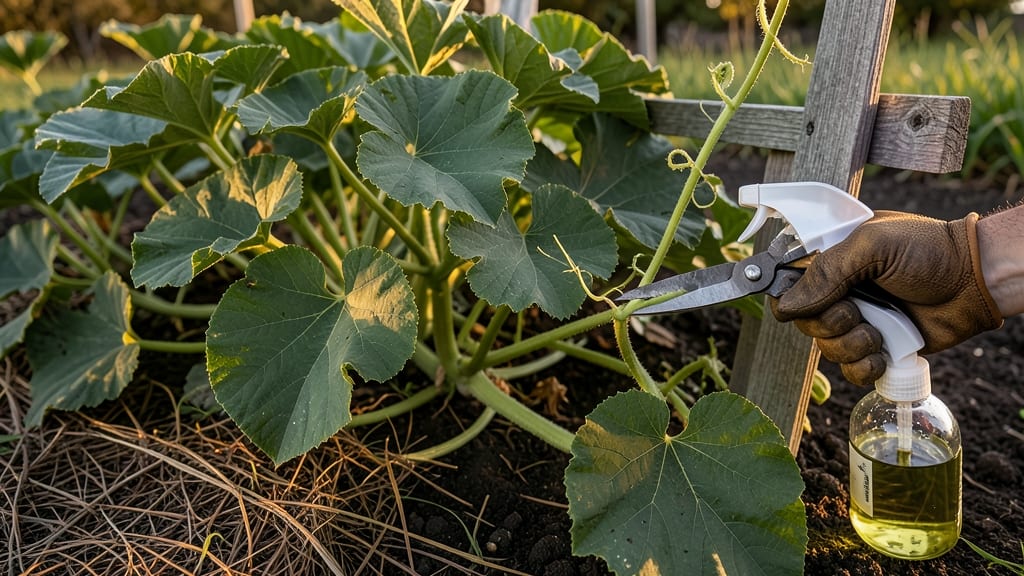
How to control pumpkin plants can turn your garden into a jungle if left unchecked. 🌿 The key to controlling them lies in strategic pruning, feeding, and deadheading—techniques that transform unruly growth into a high-yielding, manageable harvest. I’ve learned the hard way that ignoring these steps leads to crowded vines, fewer fruits, and a messy garden by fall.
Start by pruning 3-4 feet of new growth when vines reach 12-18 inches long. This encourages bushier vines with more flowers and fruits. Feed with compost or balanced fertilizer every 2-3 weeks to support rapid growth, and remove dead or diseased leaves immediately to prevent spread.
The goal? More pumpkins, less chaos.
Deadheading spent flowers (those that haven’t set fruit) redirects energy to developing pumpkins. Aim to keep 2-3 main vines per plant—anything extra steals nutrients. With these steps, you’ll end up with larger, healthier pumpkins and a garden that’s easier to navigate. Less stress, more harvest.
This method works for both bush and vining varieties, whether you’re growing in a raised bed or sprawling across open ground. The secret? Consistency. Prune early, feed regularly, and stay on top of deadheading. Your pumpkins—and your sanity—will thank you.
📚 In This Guide
- What you need
- Instructions
- Tips and common mistakes
- Wrapping up and next steps
What you need
- ● Pumpkin seeds or seedlings: Choose disease-resistant varieties (e.g., Cucurbita pepo or Cucurbita maxima) and plant 2–3 per hill for better pollination.
- ● Well-draining soil: Aim for a pH of 6.0–7.0. Mix in 2–3 inches of compost or aged manure before planting.
- ● Fertilizer: Balanced fertilizer (10-10-10): Apply 1–2 tbsp per plant at planting and again when vines start running.
- ● Organic options: Fish emulsion (2-4-2) or worm castings for a slower-release boost.
- ● Watering supplies: A soaker hose or drip irrigation (to avoid wetting leaves) and a watering can with a rose attachment for seedlings.
- ● Pruning tools: Bypass pruners: Sharp, clean pruners (sterilize with rubbing alcohol between cuts).
- ● Garden shears: For larger vines (avoid dull blades—they crush stems!).
- ● Trellis or support system: String trellis, tomato cages, or sturdy stakes (for bush-type pumpkins like Jack Be Little).
- ● Mulch: Straw or black plastic mulch to retain moisture and suppress weeds.
- ● Hand lens or magnifying glass: For spotting pests (like squash vine borers) early.
- ● Bee-friendly plants: Nearby flowers (e.g., marigolds, nasturtiums) to attract pollinators.
- ● Garden gloves: Heavy-duty gloves to protect against prickly vines and thorns.
- ● Sunlight: Full sun (6–8+ hours daily)—pumpkins are sun-worshippers!
- ● Space: 50–100 sq ft per plant (or more for giant varieties like Atlantic Giant).
- ● Warm soil: Wait until soil temps reach 70°F+ (use a soil thermometer if unsure).
- ● Patience: Pumpkins take 75–120 days to mature—plan ahead!
Tips & tricks for mastering pumpkin vine management
Between us, pumpkin vines can turn your garden into a jungle if you let them. Here’s how to keep them productive without losing control.
Pruning Precision: In Step 1, when you’re pruning secondary vines back to 2-3 leaves, focus on the angle of the cut—make it just above a leaf node where new growth can emerge. I learned this the hard way after seeing vines regrow from stubs that were cut too close. Also, avoid pruning during wet weather; fungal spores thrive on fresh cuts. The goal is to maintain airflow while preserving the plant’s energy flow through the main vine.
Feeding Strategy: For Step 2, the 10-10-10 fertilizer ratio is perfect, but timing matters more than quantity. Apply the first dose when vines hit 10 feet, but if you notice slow growth after feeding, it might be a pH issue—pumpkins prefer soil pH between 6.0 and 6.8. Test your soil before feeding; lime can raise pH if needed. And remember, those 1-2 gallons of water per plant after feeding aren’t just about hydration—they help dissolve nutrients in the soil.
Deadheading Discipline: In Step 3, the 3-5 day window for deadheading wilting flowers is critical. Female flowers (with the tiny pumpkin at the base) should be your priority, but don’t ignore male flowers entirely—they’re needed for pollination. If you’re not seeing fruit set after a week of flowering, try hand-pollinating by transferring pollen from male to female flowers with a small brush. This can double your fruit production when conditions are less than ideal.
Seasonal Adjustments: For Step 4’s monitoring, the 7-10 day inspection schedule works, but adjust based on weather. After heavy rain, check daily for fungal signs like powdery mildew on leaves. And when fruits reach tennis-ball size, that’s when you should start thinning—keep only the strongest-looking pumpkins. The rest of the vines will redirect energy to those winners, giving you fewer but larger harvests. Rotating vines weekly also prevents them from growing in one direction, creating a more balanced plant structure.
Pro Tips for Control Pumpkin Plants
- Between us, pumpkin vines can turn your garden into a jungle if you let them.
- Pruning Precision: In Step 1, when you’re pruning secondary vines back to 2-3 leaves, focus on the angle of the cut—make it just above a leaf node where new growth can emerge.
- Feeding Strategy: For Step 2, the 10-10-10 fertilizer ratio is perfect, but timing matters more than quantity.
Frequently asked questions
How often should I prune pumpkin plants?
Prune pumpkin vines regularly (every 1–2 weeks) during active growth to encourage bushier plants and larger fruit. Focus on removing excess tendrils, yellowing leaves, and competing vines. Avoid over-pruning—aim to keep 2–3 main vines per plant for balance. Pro tip: Morning pruning reduces stress on the plant.
Can I deadhead pumpkin flowers to boost fruit production?
Yes! Deadheading (removing spent flowers) redirects the plant’s energy toward producing more fruit. Snip off wilted blooms at the stem base, but leave healthy flowers behind—especially if you want seeds or smaller pumpkins. Best time: Early morning when flowers are fresh.
What do I do if my pumpkin vines grow too wild?
Overgrown vines? Trim aggressively but strategically: cut back long, leggy tendrils to redirect growth toward the main stem. Use sharp pruners to avoid tearing. For sprawling varieties, train vines along trellises or fences to save space. Warning: Don’t remove more than 30% of the plant at once!
Should I fertilize pumpkin plants after pruning?
Pruning stresses plants, so feed them 2–3 days later with a balanced fertilizer (10-10-10) or compost tea. Focus on nitrogen for leafy growth, then switch to phosphorus-heavy fertilizer (like 5-10-10) when flowers appear. Bonus: Mulch around the base to retain moisture.
What’s the difference between pruning and culling pumpkin vines?
Pruning
= Shaping the plant (removing excess vines/leaves) for health and yield. Culling = Removing entire weak or diseased vines to prevent spread. Use culling if you spot powdery mildew or pests; prune for general maintenance. Key rule: Sterilize tools between cuts with rubbing alcohol!
Wrapping up and next steps
Growing pumpkins is a rewarding journey, and with the right techniques—like pruning, feeding, and deadheading—you’ll be well on your way to a thriving vine and a harvest to be proud of! 🌱 Remember, consistency is key, so stay attentive to your plants’ needs and don’t hesitate to experiment with companion plants for even better results.
Ready to put your new skills into action? Start small this season! Try these methods on a few vines first, then expand as you gain confidence. Happy gardening—and may your pumpkin patch flourish! 🎃✨