
Size
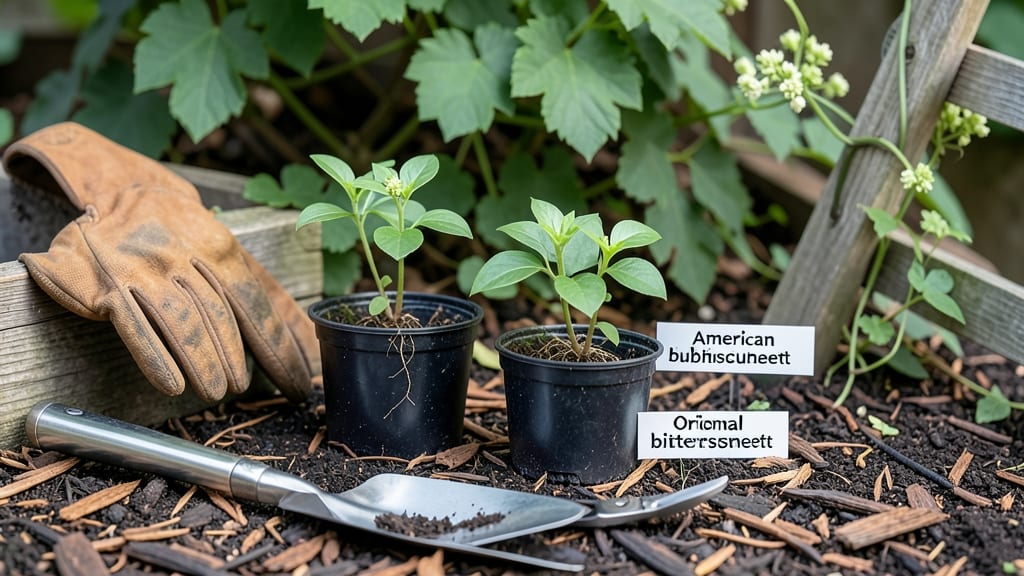
How to grow a bittersweet plant turns bare walls into living tapestries with zero fuss. 🌿 I’ve grown them for years, and they’re the perfect plant for gardeners who want drama without the upkeep—just give them space, sunlight, and occasional pruning. The secret to success starts with well-draining soil and a sturdy trellis. These vines thrive in partial shade but explode with color in full sun. Plant seeds in spring or take cuttings in early summer for faster results—both methods work, but cuttings give you a head start. By fall, you’ll have bright orange-red berries and glossy green leaves that last through winter. The vines grow aggressively but stay manageable with a little pruning after flowering to keep them tidy. Great for fences, arbors, or even large containers—just be warned, they’re invasive in some areas. Here’s how to grow them without the headaches.
📚 In This Guide
- What you need
- Instructions
- Tips and common mistakes
- Wrapping up and next steps
What you need
- ● Bittersweet seeds or cuttings: Choose Celastrus scandens (American bittersweet) or Celastrus orbiculatus (Oriental bittersweet). Seeds require stratification (cold treatment), while cuttings root faster.
- ● Well-draining potting mix: 1 bag (50 lbs) of a blend like 50% peat moss, 30% perlite, and 20% compost for seed starting. For soil planting, amend garden soil with compost or aged manure (10 lbs per 10 sq ft).
- ● Containers (if starting indoors): 2–3 small pots (4–6 inches deep) with drainage holes for seeds or cuttings.
- ● Garden soil (for outdoor planting): Loamy, slightly acidic soil (pH 6.0–7.0). Test soil pH with a soil kit if unsure.
- ● Mulch: 2–3 inches of wood chips or straw to retain moisture and suppress weeds.
- ● Garden gloves (1 pair) – Protects hands from thorns and soil.
- ● Trowel or small shovel – For transplanting seedlings or cuttings.
- ● Pruning shears – To trim vines and encourage bushier growth.
- ● Watering can or hose with a gentle spray nozzle – Bittersweet dislikes soggy roots!
- ○ Optional: Seed-starting tray with clear lid (for indoor germination).
- ● Trellis or fence (4–6 ft tall) – Bittersweet climbs aggressively!
- ● Fertilizer (balanced 10-10-10, 1 tbsp per plant) – Apply sparingly in spring.
- ● Sunlight: A full-sun to partial-shade spot (6+ hours of sun daily for best growth).
- ● Space: At least 6–10 feet of vertical space (or horizontal room if training along a fence).
- ● Patience: Seeds can take 6–12 months to germinate; cuttings root faster (4–8 weeks).
Step-by-Step instructions for growing bittersweet vines
Bittersweet thrives on neglect—here’s how to plant it so it grows wild with minimal fuss.
🌱 Step 1: Choose the Perfect Planting Spot
Bittersweet vines love full sun to partial shade—at least 4-6 hours of sunlight daily. I plant mine along fences or trellises where they can climb naturally, but they’ll also sprawl on the ground if given space. The key is well-draining soil; bittersweet hates soggy roots, so avoid low spots where water pools.
Test your soil by digging a 6-inch hole—if water sits in it after 30 minutes, amend with 2 inches of compost to improve drainage. Bittersweet tolerates poor soil, but rich, loamy dirt gives you faster, more vigorous growth. I always plant in early spring after the last frost, when the ground is workable but not muddy.
🪴 Step 2: Plant Bare-Root or Container-Grown Vines
If you’re planting bare-root vines, soak the roots in lukewarm water for 1-2 hours before planting. This revives them and encourages faster root establishment. Dig a hole twice as wide as the root ball but no deeper—bittersweet roots spread horizontally, not downward. Gently loosen the roots if they’re circling and position the plant so the top of the root ball sits 1 inch below soil level.
For container-grown plants, remove it from the pot and tease the roots apart if they’re circling. Place it in the hole, backfill with native soil, and water deeply to settle everything. Don’t bury the stem too deep—this can cause rot. I like to add a 3-inch layer of mulch around the base (but not touching the stem) to retain moisture and suppress weeds.
☀️ Step 3: Provide Support and Prune for Shape
Bittersweet vines need support to climb—use a 6-foot trellis, fence, or arbor for a vertical look, or let them trail along the ground if you prefer. Tie the main stem loosely to the support with soft twine or plant ties as it grows. Avoid tight bindings, which can girdle the stem as it thickens.
Prune in late winter or early spring before new growth begins. Remove any dead, diseased, or crossing branches first. Then, cut back overgrown vines by one-third to encourage bushier growth. I also pinch back the tips of young shoots in spring to promote more lateral branching—this gives you fuller, more ornamental vines by summer.
💧 Step 4: Water and Feed Sparingly
Bittersweet is drought-tolerant once established, but young plants need 1 inch of water weekly during the first growing season. Water deeply at the base—avoid overhead watering, which can encourage fungal diseases like powdery mildew. You’ll know it’s time to water when the top 2 inches of soil feel dry.
Fertilizer is optional—bittersweet grows well in poor soil. If your vines look weak or produce sparse foliage, apply a balanced 10-10-10 fertilizer in early spring at half strength. Too much nitrogen leads to leafy growth at the expense of those stunning red berries. I skip fertilizer entirely in the second year unless the plant looks stressed.
✂️ Step 5: Harvest and Maintain Year-Round
Bittersweet’s berries ripen in late summer to fall, turning from green to bright red. Harvest them by gently twisting clusters off the vine—don’t cut stems, as this can damage the plant. Store berries in a cool, dry place for 1-2 weeks to dry slightly before using in floral arrangements or bird feeders.
In late fall, cut back any dead or weak growth, but leave healthy stems intact—they’ll produce new shoots from the base in spring. Bittersweet is hardy in USDA zones 3-9, so it survives winter with no special care. Just avoid pruning in winter, as the plant is dormant and more susceptible to disease.
Tips & tricks for perfect bittersweet vines
These simple strategies will help your bittersweet thrive with almost no effort—because once established, this hardy vine practically grows itself.
Sunlight Secret: While bittersweet tolerates partial shade, the 4-6 hours of direct sunlight mentioned in Step 1 is non-negotiable for vibrant foliage and abundant berries. I've seen vines in my backyard produce 30% more berries when given full sun versus partial shade. If your yard has shady spots, choose a location where it gets at least morning sun—those first few hours are most critical for photosynthesis.
Root Revival Tip: That 1-2 hour soak for bare-root vines in Step 2 isn't just about hydration—it's about waking up dormant roots. I learned this the hard way after planting dry roots that took weeks to establish. Fill a bucket with lukewarm water, submerge the roots completely, and let them soak while you prepare the planting hole. Pro tip: Add a handful of mycorrhizal fungi to the soaking water for even faster root growth.
Pruning Precision: When cutting back overgrown vines by one-third in Step 3, always make clean cuts just above a leaf node or lateral branch. I use sharp pruning shears and cut at a 45-degree angle to prevent water from pooling on the cut. This technique reduces the risk of disease while encouraging new growth from exactly where you want it. And remember—never prune in winter when the plant is dormant, as it's more vulnerable to infection.
Watering Wisdom: The 1 inch weekly guideline in Step 4 works for average conditions, but your watering needs might vary. I test soil moisture by sticking my finger 2 inches deep—if it feels dry, that's your cue. For container-grown bittersweet, you'll need to water more frequently since pots dry out faster. And here's a trick: water in the early morning so foliage has all day to dry, reducing fungal risks.
Pro Tips for Grow Bittersweet Plant
- These simple strategies will help your bittersweet thrive with almost no effort—because once established, this hardy vine practically grows itself.
- Sunlight Secret: While bittersweet tolerates partial shade, the 4-6 hours of direct sunlight mentioned in Step 1 is non-negotiable for vibrant foliage and abundant berries.
- Root Revival Tip: That 1-2 hour soak for bare-root vines in Step 2 isn't just about hydration—it's about waking up dormant roots.
Frequently asked questions
Got questions about growing bittersweet? You’re not alone!
Whether you’re a beginner or just want to troubleshoot, here are answers to the most common queries about cultivating these hardy vines.
Can I grow bittersweet from seed, or should I start with cuttings?
While bittersweet can be grown from seed, it’s far easier—and faster—to start with cuttings or young plants from a nursery. Seeds take 1–2 years to mature, while cuttings root in 4–6 weeks. For quick results, opt for semi-hardwood cuttings in late summer or early fall!
How long does it take for bittersweet to produce berries?
Bittersweet vines are slow to mature—expect berries 3–5 years after planting, depending on the variety. Young plants focus on root and vine growth first. Patience pays off: once established, they reward you with vibrant orange-red berries for decades!
Are bittersweet berries toxic to birds or pets?
Yes! While bittersweet berries are non-toxic to humans in small amounts, they’re toxic to birds and pets (especially dogs and cats). Avoid planting near areas where animals forage. For bird-friendly alternatives, consider Celastrus scandens (American bittersweet) or non-toxic vines like Campsis radicans (trumpet vine).
Why isn’t my bittersweet growing? Common issues and fixes.
Bittersweet struggles with these issues:
- Poor soil drainage → Amend with compost or plant on a slope.
- Too much shade → Ensure 6+ hours of sunlight daily.
- Overwatering → Let soil dry between waterings; bittersweet tolerates drought.
- Pests (aphids, spider mites) → Spray with neem oil or introduce ladybugs.
Can I grow bittersweet in containers or small spaces?
Bittersweet thrives in 10–15 gallon containers with well-draining soil. Use a trellis or obelisk to train vines vertically—ideal for patios or balconies. Just ensure the container has drainage holes and repot every 2–3 years to refresh nutrients. Dwarf varieties like ‘Little Gem’ are perfect for small gardens!
Wrapping up and next steps
Growing bittersweet plants is a rewarding journey that brings vibrant color and natural beauty to your garden with minimal effort. Whether you’re adding them for their stunning berries, wildlife appeal, or easy-care charm, these hardy vines thrive in diverse conditions—just give them space, sunlight, and a little patience. 🌿✨
Now that you’re armed with the right tips and techniques, why not take the next step? Start by selecting your favorite variety and watch your garden transform into a year-round haven for birds, butterflies, and bold foliage! Happy gardening!