
Companion Plants
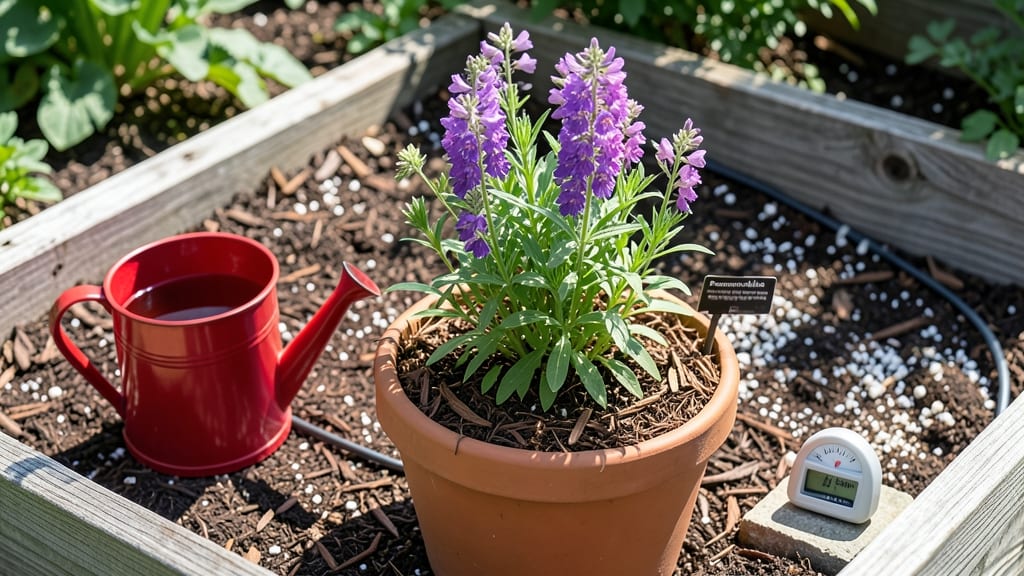
Caring for penstemon plants feels like nurturing a drought-proof superstar. 🌿 These vibrant bloomers thrive with minimal fuss, rewarding you with long-lasting flowers that hummingbirds adore. My first penstemon patch taught me the simple secrets that keep them flourishing year after year—no green thumb required.
The magic starts with well-draining soil and full sun (6+ hours daily). Most gardeners overwater by half—penstemons hate soggy roots. Once established, they sip water once a week in summer, or just when the top inch of soil feels dry. Mulch helps retain moisture while keeping roots cool.
By pruning spent blooms, you’ll trigger nonstop reblooming all season. Deadhead regularly, and your plants will stay compact and productive. The key is balance: enough water to thrive, but never enough to drown their natural drought tolerance. Troubleshooting is easy—yellow leaves mean overwatering, while floppy stems signal thirst.
Pests rarely bother them, making penstemons a low-maintenance garden workhorse. Ready to grow your own colorful, carefree display? Let’s get started!
📚 In This Guide
- What you need
- Instructions
- Tips and common mistakes
- Wrapping up and next steps
What you need
- ● Penstemon plants: Start with healthy nursery-grown seedlings or transplants (1–3 plants per pot or 12–18 inches apart in garden beds). Choose varieties like Penstemon digitalis (Beardtongue) or Penstemon spectabilis (Showy Penstemon).
- ● Well-draining soil: A mix of 50% native soil, 30% perlite or coarse sand, and 20% compost (1–2 cubic feet per plant). pH 6.0–7.5 is ideal.
- ○ Containers (optional): 5–7-gallon pots with drainage holes (1–2 plants per pot) if growing in containers.
- ● Watering can or hose: With a gentle spray nozzle for even moisture distribution.
- ● Mulch: 2–3 inches of organic mulch (straw, wood chips, or gravel) to retain moisture and suppress weeds.
- ● Pruning shears: Sharp, sterilized shears for deadheading and shaping (clean blades prevent disease).
- ○ Fertilizer (optional): Balanced, slow-release granular fertilizer (10-10-10 or 20-20-20, 1 tbsp per plant) or liquid seaweed extract for a gentle boost.
- ● Sunlight: Full sun (6+ hours/day) for most varieties; some tolerate partial shade (4–6 hours) in hot climates.
- ● Water: Drought-tolerant once established—water deeply 1–2 times per week during the first year, then reduce to every 2–3 weeks (adjust for extreme heat).
- ● Hardiness: USDA Zones 3–9 (check your variety’s specific zone range).
- ● 🌡️ Test your soil—Penstemons hate soggy roots! Amend heavy clay with sand or grit.
- ● ✨ Deadhead spent blooms to encourage continuous flowering and prevent self-seeding (if unwanted).
- ● 🎯 Group plants in odd-numbered clusters (3, 5, or 7) for a natural, fuller look in gardens.
Step-by-Step instructions for cultivating thriving penstemon plants
Here's how I keep penstemon blooming prolifically with minimal fuss—ideal for dry climates and low-maintenance gardens.
🌱 Step 1: Select the Perfect Planting Location
Penstemon loves full sun to partial shade, with at least 6 hours of direct sunlight daily for peak flowering. I choose sites with well-draining soil—these plants rot easily in soggy conditions. If your soil is heavy clay, amend with 2-3 inches of coarse sand or grit before planting to improve drainage.
Check the spot's afternoon sun exposure first—penstemon often struggles in hot, intense afternoon sun without some afternoon shade. If you're unsure, watch the area for a week to gauge how much direct sun it receives. The ideal location balances sun exposure with afternoon relief.
💧 Step 2: Water Deeply but Infrequently
Once established, penstemon is exceptionally drought-tolerant, but young plants need consistent moisture. Water deeply once a week during the first growing season, ensuring the soil is moist 6-8 inches deep. Use your finger to check—if the soil feels dry at that depth, it's time to water again.
After the first year, reduce watering to every 2-3 weeks unless your region experiences extreme heat or drought. Overwatering is the fastest way to kill penstemon—yellowing leaves or wilting stems are signs you're watering too often. Let the soil dry out completely between waterings to encourage strong root development.
☀️ Step 3: Feed Sparingly for Vibrant Blooms
Penstemon doesn't need much fertilizer, but a light feeding in early spring promotes lush growth and abundant flowers. Use a balanced, slow-release fertilizer (10-10-10) at half the recommended strength—too much nitrogen results in leafy growth at the expense of blooms. Scatter the granules around the base and water deeply to activate them.
I skip fertilizing after midsummer—penstemon goes dormant in heat, and extra nutrients can stress the plant. Instead, focus on mulching with 1-2 inches of gravel or coarse bark to retain moisture and regulate soil temperature. This also suppresses weeds, which compete for nutrients.
✂️ Step 4: Prune Strategically for Continuous Bloom
Deadhead spent blooms regularly throughout the season to encourage more flowers. Use clean, sharp pruners to snip just above the next set of leaves or where the flower stem meets the main stem. This redirects the plant's energy into producing new blooms instead of setting seed.
After the first flush of flowers fades, give the plant a light haircut—cut back one-third of the plant's height to promote bushier growth and a second round of blooms. Avoid heavy pruning in late summer, as this can stunt fall flowering. Always prune on a dry, overcast day to reduce stress on the plant.
🪴 Step 5: Overwinter with Protection
Most penstemon varieties are perennial in USDA zones 3-9, but they need winter protection in colder climates. After the first hard frost, cut back the foliage to 2-3 inches above the ground and apply a 2-3 inch layer of mulch (straw, shredded bark, or leaves) around the base. This insulates the roots and prevents heaving during freeze-thaw cycles.
In zones 3-5, group penstemon with other perennials for added insulation, or cover the plants with burlap or frost cloth during extreme cold snaps. Avoid using plastic, which traps moisture and can rot the stems. In spring, remove the mulch once new growth appears—usually by late April or early May, depending on your climate.
Tips & tricks for perfect penstemon care
These simple strategies will help your penstemon thrive with minimal effort—once you know the secrets.
Location Intelligence: I've found that penstemon in Step 1 actually performs best when positioned slightly east of a reference point in your garden. This gives them morning sun while avoiding the harshest afternoon rays. If you notice leaves scorching by midday, that's your cue to provide afternoon shade using a sheer fabric screen—it makes all the difference for heat-sensitive varieties like Penstemon spectabilis.
Watering Wisdom: The key in Step 2 isn't just how much you water, but how deeply. I use a long screwdriver to check moisture at 6-8 inches—if it's dry, water until it runs out the bottom of the pot. For container-grown penstemon, let the top 2 inches dry completely between waterings. This mimics their natural desert conditions and prevents root rot, which is especially critical during the first growing season.
Fertilizer Finesse: When applying that half-strength 10-10-10 fertilizer in Step 3, I make it a habit to water the area first. This prevents fertilizer burn on the roots. For organic gardeners, a light application of composted manure in early spring works beautifully—just follow the same half-strength guideline. The goal is to encourage blooms, not leafy growth, so resist the urge to over-fertilize after midsummer.
Pruning Precision: In Step 4, when you're deadheading, I always carry a small bottle of rubbing alcohol to wipe down my pruners between cuts. This prevents the spread of fungal diseases that can attack weakened stems. For the post-bloom haircut, I never cut more than one-third of the plant's height—this maintains the plant's natural shape while still encouraging that second flush of flowers.
Pro Tips for Care For Penstemon Plants
- These simple strategies will help your penstemon thrive with minimal effort—once you know the secrets.
- Location Intelligence: I've found that penstemon in Step 1 actually performs best when positioned slightly east of a reference point in your garden.
- Watering Wisdom: The key in Step 2 isn't just how much you water, but how deeply.
Frequently asked questions
Got questions about keeping your Penstemon plants happy and thriving? You’re not alone! Here are answers to the most common questions—so you can enjoy vibrant blooms with minimal fuss.
How often should I water my Penstemon plants?
Once established, Penstemon plants are drought-tolerant and only need watering every 1–2 weeks during dry spells. Water deeply at the base (not overhead) to encourage strong roots. In hot climates, check soil moisture—if the top inch is dry, it’s time to water. Pro tip: Mulch around the base to retain moisture and deter weeds!
When is the best time to prune Penstemon?
Prune Penstemon right after flowering (late spring to early summer) to encourage a second bloom cycle. Cut back one-third of the plant to shape it, but avoid heavy pruning in fall—it needs time to harden off for winter. Deadhead spent blooms regularly to prolong flowering.
Why are my Penstemon leaves turning yellow or wilting?
Yellow leaves often signal overwatering or poor drainage. Let soil dry between waterings, and ensure pots or garden beds have drainage holes. Wilting can also mean underwatering or heat stress—provide afternoon shade in extreme heat. Check for pests like aphids or spider mites too!
Can Penstemon grow in containers, and what’s the best soil mix?
Yes! Penstemon thrives in containers with a fast-draining mix: combine 50% potting soil, 30% perlite or coarse sand, and 20% compost. Use pots with drainage holes (at least 12 inches deep) to prevent root rot. Terracotta pots work great for heat retention!
Do Penstemon plants come back every year, or are they annuals?
Most Penstemon varieties are perennial in USDA zones 3–9, returning year after year with proper care. However, some (like Penstemon digitalis) may act as short-lived perennials or self-seed. In colder zones, mulch heavily in fall to protect roots. Bonus: Deadheading encourages more blooms for next season!
Wrapping up and next steps
Caring for penstemon plants is all about embracing their drought-resistant nature while giving them the right conditions to flourish. With proper light, soil, watering, and occasional pruning, you’ll enjoy vibrant blooms and a low-maintenance companion plant that thrives in gardens and containers alike. 🌸
Now that you’re armed with the secrets to success, why not plant one today? Start small—try a single variety in your garden or a sunny windowsill—and watch how these hardy beauties transform your space. Happy gardening! 🌱✨