
Planting
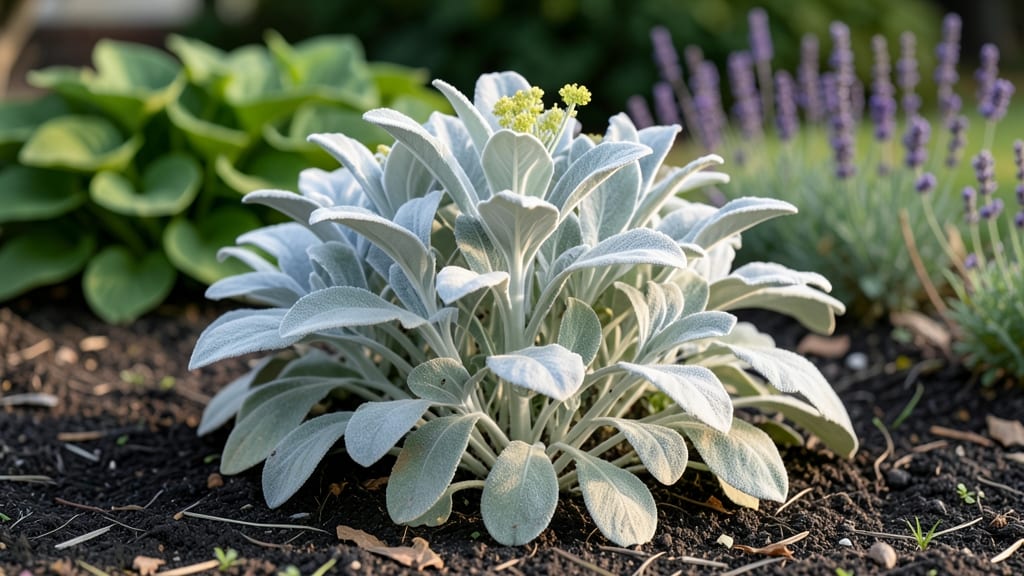
How to care for the Dusty Miller plant feels like sculpting silver clouds—its velvety foliage transforms any garden into a dreamy, high-contrast masterpiece. ✨ The secret? Pruning at the right time and giving it the sun it craves. I’ve revived more Dusty Millers than I can count by mastering these simple tricks that keep the leaves lush and compact year-round.
Start with well-draining soil and a spot that basks in full sun—at least 6-8 hours daily. Water only when the top inch feels dry; overwatering turns those silvery leaves yellow.
Prune leggy stems in early spring to encourage bushier growth, and don’t be afraid to trim back by one-third—it bounces back like a champ.
Winter care is where most people stumble. Dusty Miller’s silvery leaves need protection from harsh winds but still crave light. Mulch lightly to insulate roots, and avoid heavy pruning until spring. The payoff? By summer, you’ll have perfect, velvety foliage that stands out like a silver spotlight in the garden.
Leggy growth? Too much shade. Yellow leaves? Overwatering. Dusty Miller forgives mistakes—it’s a drought-tolerant diva that rewards patience. With these tweaks, your plant will look like it’s been professionally styled, not neglected. Ready to make it shine?
📚 In This Guide
- What you need
- Instructions
- Tips and common mistakes
- Wrapping up and next steps
What you need
- ● Well-draining potting mix (1 bag, 10-15 quarts): Use a blend with perlite or sand (e.g., 60% potting soil, 30% perlite, 10% coarse sand).
- ● Containers with drainage holes (1-2, 6-12 inches in diameter): Terracotta or ceramic pots work best.
- ● Pruning shears (1 pair): Bypass pruners with sharp, stainless-steel blades for clean cuts.
- ● Gloves (1 pair): Garden or nitrile gloves to protect against sap irritation.
- ● Watering can or hose with a gentle nozzle: Avoid over-saturating the soil.
- ● Balanced liquid fertilizer (1 bottle, 10-10-10 or 20-20-20 NPK ratio): Dilute to half-strength for feeding.
- ● Slow-release granules (e.g., Osmocote): Mix 1 tbsp per gallon of soil for steady nutrients.
- ● Mulch (gravel or pebbles): Helps retain moisture and improve drainage.
- ● Plant support (small stakes or cages): Useful if your Dusty Miller grows tall or leggy.
- ● pH testing kit: Ensures soil pH stays in the ideal range of 6.0–7.5.
- ● Spray bottle with water: For misting leaves if humidity is low.
Step-by-step instructions for growing Dusty Miller to perfection
Here's how I keep my Dusty Miller thriving with bold silver foliage year after year.
🌿 Step 1: Choose the Right Location for Maximum Sun Exposure
Dusty Miller (Artemisia stelleriana) demands full sun—at least 6-8 hours daily—to maintain its signature silvery-white foliage. I place mine in a south-facing spot where it gets unfiltered afternoon sun. The more intense the light, the more vibrant the foliage becomes, especially in summer when colors deepen.
If your climate has scorching summer afternoons, provide afternoon shade to prevent leaf scorch. You'll notice the leaves turning yellow or crispy when exposed to too much heat—this is your cue to move it slightly. Dusty Miller tolerates dry soil once established, but it still needs bright light to thrive.
✂️ Step 2: Prune Strategically to Encourage Bushy Growth
Prune in early spring before new growth begins to shape the plant and encourage dense foliage. I use clean, sharp pruning shears to cut back leggy stems by one-third to stimulate branching. This prevents the plant from becoming too woody and keeps that fluffy, silver appearance.
Deadhead spent flowers in late spring to redirect energy into foliage production. Dusty Miller blooms are insignificant, but removing them prevents seed formation and keeps the plant focused on leaf growth. Watch for new shoots emerging from the base—these are your signal that pruning worked.
💧 Step 3: Master Watering for Drought-Tolerant Success
Water deeply once a week during the growing season, allowing the top 2-3 inches of soil to dry completely between waterings. Dusty Miller thrives on neglect once established—overwatering is the fastest way to kill it. I water at the base rather than overhead to prevent fungal issues.
In winter, reduce watering to every 3-4 weeks unless your region experiences freezing temperatures. The plant enters dormancy naturally, and soggy soil will rot the roots. You'll know it's time to water again when the soil feels completely dry down to 3-4 inches deep.
🪴 Step 4: Fertilize Lightly for Healthy Foliage
Feed with a balanced, slow-release fertilizer (10-10-10) in early spring just as new growth appears. I use about half the recommended dose—Dusty Miller doesn't need heavy feeding. Over-fertilizing leads to weak growth and less vibrant foliage.
For organic gardeners, a light application of compost in spring works just as well. Avoid high-nitrogen fertilizers, which encourage leafy growth at the expense of that signature silver hue. You'll notice the leaves staying crisp and upright when fertilization is just right.
⏰ Step 5: Overwinter with Protection for Year-Round Beauty
In USDA Zones 5-7, protect Dusty Miller with a thick layer of mulch (2-3 inches) around the base before the first frost. I also wrap the crown with burlap to shield it from cold winds. In colder zones, dig up container-grown plants and store them in a cool, dry place until spring.
Prune back by half in late winter to remove any damaged growth. Dusty Miller is surprisingly resilient—even if it looks completely dead in winter, it often regrows from the roots once temperatures warm. This hardiness is why it's such a reliable perennial in the right conditions.
Tips & tricks for perfect Dusty Miller care
These game-changing strategies will help you maintain that stunning silver foliage Dusty Miller is famous for—without the guesswork.
Lighting Strategy: For the most vibrant silver foliage, position your Dusty Miller where it gets direct sunlight from 10 AM to 2 PM—this is when the sun's intensity is strongest. If you notice the leaves losing their silvery sheen, it's a clear sign they're not getting enough light. I've found that placing it near a south-facing window with a sheer curtain works perfectly—it filters harsh afternoon rays while still providing plenty of light. The key is finding that balance between full sun and protection from extreme heat.
Pruning Precision: When you prune those leggy stems by one-third in early spring, make your cuts just above a set of leaves or a bud. This ensures the plant will grow denser and bushier. I've learned the hard way that cutting too close to the base can damage the plant's growth points. Also, always use clean, sharp pruning shears—dull blades can crush stems, making them more susceptible to disease. The goal is to encourage branching while maintaining that fluffy, silvery appearance that makes Dusty Miller so special.
Watering Wisdom: The secret to successful watering is checking soil moisture with your finger—stick it about 2-3 inches deep between waterings. If it feels completely dry, that's your cue to water deeply. I've ruined several Dusty Millers by overwatering, so I now make it a rule to never water unless the soil is bone dry. This plant is incredibly drought-tolerant once established, and its silvery leaves actually help reflect sunlight, reducing water loss through the foliage.
Seasonal Adjustments: In winter, when your Dusty Miller enters dormancy, reduce watering to every 3-4 weeks unless you're in a freezing climate. The plant's natural response to cold is to slow down, and soggy soil can actually kill it. I've seen Dusty Millers that looked completely dead in winter only to bounce back beautifully in spring. That resilience is part of what makes this plant so rewarding to grow—just give it the right conditions, and it will surprise you every year.
Pro Tips for Care For Dusty Miller Plant
- These game-changing strategies will help you maintain that stunning silver foliage Dusty Miller is famous for—without the guesswork.
- Lighting Strategy: For the most vibrant silver foliage, position your Dusty Miller where it gets direct sunlight from 10 AM to 2 PM—this is when the sun's intensity is strongest.
- Pruning Precision: When you prune those leggy stems by one-third in early spring, make your cuts just above a set of leaves or a bud.
Frequently asked questions
Got questions about keeping your Dusty Miller thriving? Here are some of the most common concerns—and their easy solutions!
How often should I water my Dusty Miller?
Water your Dusty Miller only when the top inch of soil feels dry. Overwatering is the #1 killer—this drought-tolerant plant prefers dry conditions. In containers, check soil moisture daily; in gardens, weekly inspections work. Pro tip: Let excess water drain completely to prevent root rot.
When is the best time to prune Dusty Miller?
Prune in early spring (before new growth) or after flowering to maintain shape. Light trimming of leggy stems can be done anytime, but avoid heavy cuts in winter. Why? Pruning stimulates bushier growth and keeps those silvery leaves looking lush.
Can Dusty Miller survive in full shade?
While it tolerates partial shade, Dusty Miller thrives in full sun (6+ hours daily). In shady spots, leaves may lose their iconic silver hue and grow sparse. If shade is unavoidable, place it near a south-facing window or supplement with a grow light.
What pests should I watch for on Dusty Miller?
Keep an eye out for aphids, spider mites, or whiteflies, which love the fuzzy leaves. Treat infestations early with neem oil or insecticidal soap. Prevention tip: Dust leaves occasionally with a soft brush to deter pests naturally.
How do I revive a Dusty Miller with brown, crispy leaves?
Brown leaves often signal overwatering or sunburn. Trim damaged foliage, reduce watering, and move the plant to partial shade for a week. If roots are mushy, repot in fresh, well-draining soil. With care, it’ll bounce back!
Does Dusty Miller need fertilizer?
Light feeding in spring with a balanced, water-soluble fertilizer (10-10-10) is enough. Avoid heavy fertilizers—they encourage weak growth. Bonus: Compost around the base for natural nutrients.
Wrapping up and next steps
Caring for your dusty miller plant is all about embracing its sun-loving nature and giving it the right TLC to keep those velvety silver leaves looking their best.
With the right balance of light, soil, pruning, and occasional grooming, you’ll enjoy a thriving plant that adds texture and elegance to your garden or containers. 🌿
Now that you’re armed with the secrets to foliage perfection, why not take the next step? Experiment with pairing dusty miller with complementary plants, or share your pruning tips with fellow gardening enthusiasts. Your green thumb is ready—let your dusty miller shine! ✨