
Size
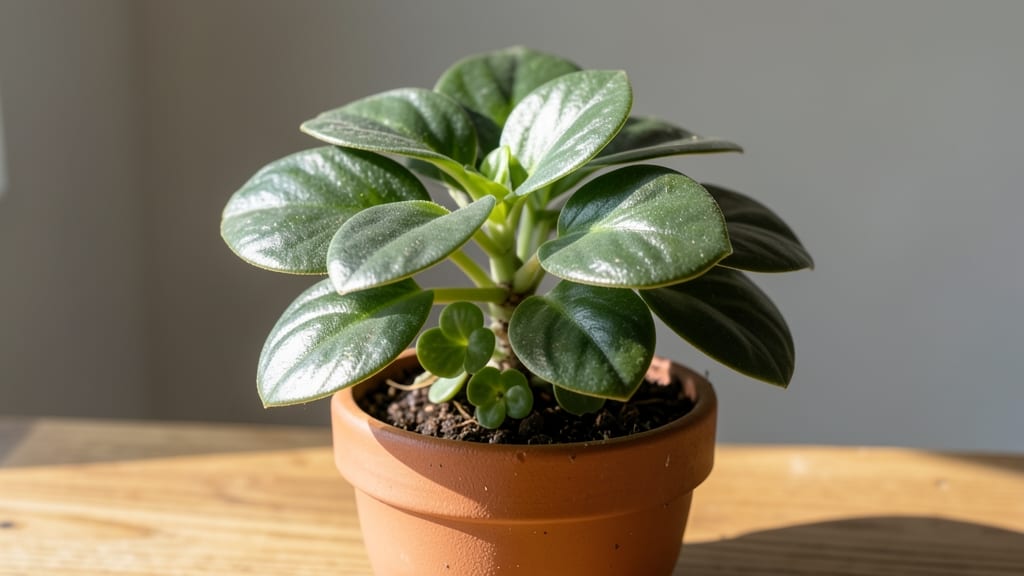
Silver dollar plants turn containers into lush, tropical waterfalls—and they’re easier to grow than you’d think. 🌿 I’ve grown mine for years, and the secret isn’t fancy equipment but matching their natural jungle habits.
These glossy-leaved plants thrive in bright, indirect light, where their round leaves catch every ray like tiny mirrors.
The real magic happens in well-draining soil and a humid environment—think of them as tropical houseguests who hate drafts. Most people overwater, but silver dollar plants prefer their soil to dry slightly between drinks. Cuttings root easily in water, making propagation a beginner-friendly way to multiply your collection.
By summer, you’ll see vibrant new growth trailing over pots, with leaves so thick and shiny they look like polished coins. Prune leggy stems to encourage bushiness, and watch as your plant fills out with dense foliage. The best part? They’re nearly pest-proof and forgiving of occasional neglect.
Perfect for hanging baskets, shelves, or even as a striking tabletop centerpiece. With the right care, your silver dollar plant will become the star of any space—indoors or out. Let’s get those roots growing!
📚 In This Guide
- What you need
- Instructions
- Tips and common mistakes
- Wrapping up and next steps
What you need
- ● Silver Dollar Plant: 1 mature plant (from a nursery or garden center) or
- ● 3–5 healthy leaves (for propagation)
- ● Containers: 1–2 well-draining pots (6–8" diameter for mature plants, smaller for cuttings)
- ● Material: Terracotta, ceramic, or plastic (ensure drainage holes!)
- ● Potting Mix: 1 bag (1–2 quarts) of well-draining mix: 50% peat-based or coco coir
- ● 30% perlite or pumice
- ● 20% vermiculite or orchid bark
- ● Tools: 1 pair of clean, sharp scissors or pruning shears
- ● 1 small hand trowel
- ● 1 spray bottle (for misting)
- ● Rooting hormone (gel or powder) for faster propagation
- ● Grow lights (LED or fluorescent) if natural light is limited
- ● Humidity dome or plastic wrap (to retain moisture during propagation)
- ● Slow-release fertilizer (balanced 10-10-10 or organic options)
- ● Decorative pebbles or moss (for aesthetics and drainage)
Step-by-Step instructions for growing silver dollar plant
Here's how to cultivate this striking trailing beauty with minimal fuss.
🌱 Step 1: Select the Right Container and Soil Mix
The silver dollar plant (Pilea peperomioides) thrives in well-draining soil with excellent aeration. Choose a 12-16 inch diameter container with drainage holes—terracotta pots work beautifully. Fill the bottom third with orchid bark mix (not potting soil) to prevent root rot, then add a lightweight potting mix enriched with perlite or pumice for drainage.
Silver dollar plants hate soggy roots, so I always mix in a handful of horticultural charcoal to absorb excess moisture. Press the soil down gently but firmly—you want it to hold shape when touched but not feel compacted. This ensures roots breathe while still providing stability for the plant's growing foliage.
🌿 Step 2: Plant and Position for Optimal Growth
Place your silver dollar plant in the center of the container, ensuring the soil line matches the plant's root base. Gently pat the surrounding soil to eliminate air pockets—this prevents root suffocation during watering. For multiple plants, space them 6-8 inches apart to allow their trailing stems room to cascade elegantly.
Position your container in bright, indirect light—think east-facing windows or a few feet from a south-facing one. Direct sun will scorch the leaves, while too little light causes leggy growth. You'll know the light is perfect when new leaves emerge with their signature round, silvery-green pattern and stems stay sturdy rather than stretching.
💧 Step 3: Establish a Consistent Watering Routine
Water thoroughly when the top 1-2 inches of soil feel dry to the touch. I use the "soak-and-dry" method: pour water until it drains freely from the bottom, then empty the saucer after 10 minutes. Overwatering is the #1 killer of silver dollar plants—yellowing leaves signal this common mistake.
Increase humidity around your plant by placing the container on a tray filled with pebbles and water (ensure the pot isn't sitting directly in water). Mist the leaves occasionally, but avoid letting water sit on the foliage for extended periods—this encourages fungal issues. You'll notice the plant's response within a week: glossy, upright leaves and vigorous new growth.
✂️ Step 4: Prune and Encourage Trailing Habits
Pinch back leggy stems to encourage bushier growth and more abundant trailing. Use clean, sharp scissors to trim just above a leaf node—this redirects energy to lateral branches. I prune mine every 4-6 weeks during active growing seasons (spring through fall) to maintain shape and prevent overcrowding.
To promote trailing, gently guide the longest stems over the container's edge and tuck them into the soil if they reach the rim. Roots will form at the nodes, creating additional plants. This propagation method works beautifully and gives you free silver dollar plantlets—just separate them when they've rooted well.
☀️ Step 5: Maintain Through Seasonal Changes
Silver dollar plants appreciate 65-75°F temperatures year-round. During winter, move containers away from cold drafts or heating vents, which cause leaf drop. Reduce watering frequency in winter months—let the top 2-3 inches of soil dry completely between waterings.
Fertilize lightly during spring and summer with a balanced liquid fertilizer (10-10-10) diluted to half strength every 6-8 weeks. You'll see the difference in leaf size and vibrancy within a month. Avoid fertilizing in fall and winter when growth naturally slows. Regular dusting of leaves with a damp cloth keeps them looking their best and maximizes photosynthesis.
Tips & tricks for growing silver dollar plant success
Between us, these small details make all the difference with your silver dollar plant—trust me, I've seen the difference after years of growing them.
Soil Composition Tip: The orchid bark mix in Step 1 isn't just for drainage—it mimics the plant's natural epiphytic growing habits. If you can't find orchid bark, substitute with coconut coir mixed with perlite in a 2:1 ratio. The key is maintaining that airy, chunky texture that prevents compaction. I've found that adding a thin layer of sphagnum moss on top helps retain just enough moisture without suffocating the roots.
Light Positioning Secret: In Step 2, I recommend east-facing windows, but here's what nobody tells you—silver dollar plants actually tolerate north-facing windows better than south-facing ones. If you have only south exposure, place the plant 6 feet away from the window and use a sheer curtain to diffuse the light. The leaves will tell you what they need: if they develop brown patches, move it further away; if they stretch too much, it needs more light.
Watering Technique: That 10-minute drainage time in Step 3 is critical—it prevents root rot while ensuring the plant gets enough moisture. I've learned the hard way that leaving water in saucers longer than 10 minutes creates the perfect environment for fungus gnats. Pro tip: Use a moisture meter to check soil dryness—aim for 40-50% moisture at the 1-2 inch depth mentioned. The meter takes the guesswork out of watering frequency.
Pruning Strategy: When you're pinching back those leggy stems in Step 4, focus on the top 2-3 sets of leaves rather than just the very tips. This creates more branching points while maintaining the plant's natural shape. I've found that pruning just after watering prevents stress—roots are already hydrated, so the plant can focus on healing rather than recovering from moisture loss.
Pro Tips for Grow Silver Dollar Plant
- Between us, these small details make all the difference with your silver dollar plant—trust me, I've seen the difference after years of growing them.
- Soil Composition Tip: The orchid bark mix in Step 1 isn't just for drainage—it mimics the plant's natural epiphytic growing habits.
- Light Positioning Secret: In Step 2, I recommend east-facing windows, but here's what nobody tells you—silver dollar plants actually tolerate north-facing windows better than south-facing ones.
Frequently asked questions
Got questions about growing your Pilea peperomioides—aka the silver dollar plant? You’re not alone! Here are some of the most common queries, answered in a pinch to help you keep your trailing beauty thriving.
How often should I water my silver dollar plant?
Water your silver dollar plant when the top 1–2 inches of soil feel dry to the touch. Overwatering is the #1 killer—stick to every 7–10 days (adjust for humidity/climate). Use well-draining soil and a pot with drainage holes to prevent root rot.
Can silver dollar plants survive winter indoors?
These plants thrive in cozy indoor spaces year-round. Keep them away from drafts, cold windows, or heaters. Ideal temps: 60–75°F. If leaves yellow, it’s likely underwatering or low humidity—try a pebble tray or humidifier.
Why are my silver dollar plant’s leaves turning yellow?
Yellowing leaves usually mean overwatering or poor drainage. Check the roots—if mushy, repot in fresh, dry soil. Brown edges? It’s often low humidity or fluoride in tap water. Use filtered water and mist leaves occasionally.
Is silver dollar plant toxic to pets?
Yes, it’s mildly toxic to cats and dogs if ingested. Symptoms include drooling, vomiting, or diarrhea. Keep it out of paw’s reach or opt for pet-safe alternatives like Pothos or Spider Plants.
Can I grow silver dollar plants from cuttings?
Yes! Snip a healthy stem with 2–3 leaves, let the cut end callus for 1–2 hours, then plant in moist soil. Keep humid and warm (70–75°F) until roots form (4–6 weeks). Avoid direct sunlight at first.
Wrapping up and next steps
Growing a silver dollar plant is a rewarding way to add cascading charm to your containers—whether you’re a seasoned gardener or just starting out! 🌿 With the right light, soil, and care, this trailing beauty will thrive and bring a touch of elegance to your space.
Start small, stay patient, and soon you’ll be enjoying its lush, coin-shaped leaves spilling over your pots.
Ready to take the next step? Pick your favorite container, gather your supplies, and dive in—your silver dollar plant is waiting for its new home! 🌱