
Picking
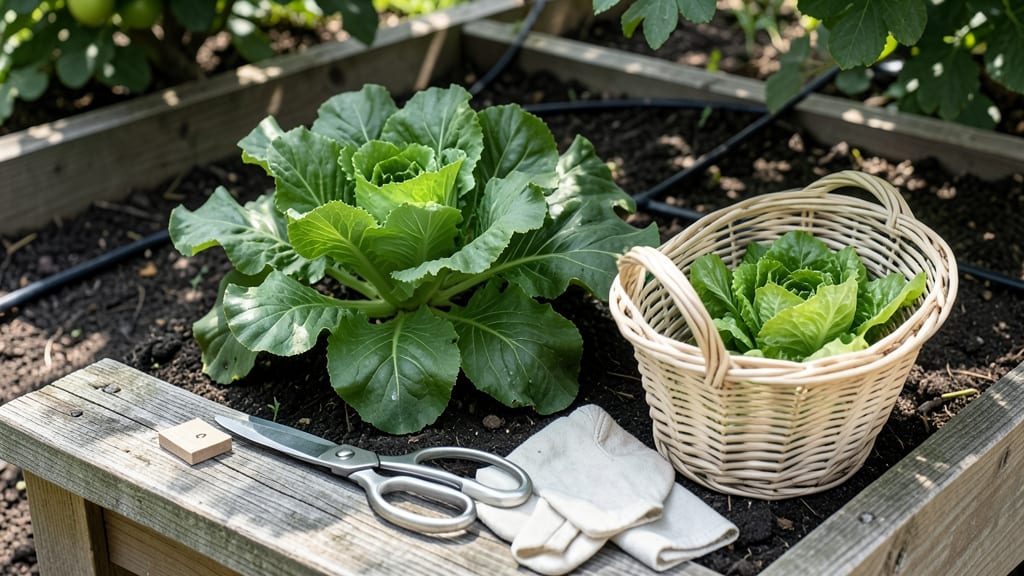
How to pick lettuce to keep it growing—without killing your harvest—is the secret to a never-ending salad supply. 🌱 I’ve watched entire heads bolt after aggressive cutting, but the right technique keeps your plants producing crisp leaves for weeks. The secret? Cutting outer leaves strategically while leaving the inner growth intact.
You’ll need sharp scissors or clean fingers, a sunny morning for harvest, and a gentle touch. Never pull leaves or cut into the center—those baby leaves are your plant’s future.
Instead, snip or pinch off the largest outer leaves, leaving at least half the plant intact. This method works for romaine, butterhead, and leaf lettuce alike.
After harvest, water deeply and give your lettuce a little shade for a day to recover. You’ll see new growth in as little as 5-7 days, and with proper care, one plant can yield 6-8 harvests over its lifetime.
The key is patience—harvesting too much too soon turns your salad garden into a sad, stunted mess.
Common mistakes? Over-harvesting, cutting too close to the base, or ignoring the plant’s stress signals (like yellowing leaves). Start small—pick just a few leaves at first—and watch your lettuce bounce back stronger than ever. This technique turns a single plant into a never-ending salad source.
📚 In This Guide
- What you need
- Instructions
- Tips and common mistakes
- Wrapping up and next steps
What you need
- ● Sharp scissors or pruning shears – Clean, sterilized (1 pair, 3–5" blades recommended for precision).
- ○ Gloves (optional but helpful) – Nitrile or cotton gloves (1 pair) to protect hands from dirt or prickly stems.
- ● Water spray bottle – 16 oz or larger for misting leaves post-harvest to retain moisture.
- ● Harvest basket or container – Shallow, breathable (e.g., woven basket or colander) to avoid crushing leaves.
- ● Compost bin or bag – For trimmings or outer leaves not used in cooking.
- ● Harvest knife (serrated or dull blade) – For cutting larger heads (if not using scissors).
- ● pH test kit – To check soil pH (ideal: 6.0–7.0) before replanting.
- ● Slow-release fertilizer (e.g., 10-10-10) – 1–2 tbsp per plant post-harvest to boost regrowth.
- ● Row cover or shade cloth – For hot climates to protect tender regrowth.
Step-by-Step instructions for harvesting lettuce to encourage continuous growth
Here's how to pick lettuce the right way—so your plants keep producing fresh leaves instead of bolting.
🌿 Step 1: Wait Until Leaves Reach 2-3 Inches
Start harvesting when the outer leaves reach about 2-3 inches long. This is the sweet spot for tender, flavorful greens while leaving enough energy in the plant for regrowth. I always check the largest outer leaves first—they're ready when they're fully unfurled but still soft to the touch.
Don't wait until the whole head is mature. Harvesting smaller leaves prevents the center from becoming bitter or bolting too quickly. If you're unsure, gently pinch a leaf—if it snaps cleanly with a slight crack, it's ready.
✂️ Step 2: Harvest Outer Leaves Only
Use clean, sharp scissors or your fingers to harvest only the outer 1/3 of the plant. This method preserves the growing point at the center, which keeps producing new leaves. I like to make a clean cut just above where the leaf meets the stem—this prevents damage to the plant.
Never pull entire leaves or take more than a third of the plant at once. You'll see new growth emerge from the center within 3-5 days. If you harvest too aggressively, the plant will struggle to recover and may bolt or stop producing.
💧 Step 3: Water and Fertilize After Harvesting
Give your lettuce a deep watering right after harvesting to replenish moisture lost during the process. The soil should be damp 1-2 inches deep—stick your finger in to check. Lettuce has shallow roots, so consistent moisture is key to regrowth.
Feed with a balanced liquid fertilizer (like 10-10-10) diluted to half strength. I apply it every 2-3 weeks during active growth. Avoid over-fertilizing—too much nitrogen can cause rapid leaf growth that's less flavorful and more prone to bolting.
☀️ Step 4: Monitor Light and Space for Regrowth
Lettuce needs 4-6 hours of sunlight daily for steady regrowth. If your plants are leggy or pale after harvesting, they're not getting enough light. Move them to a sunnier spot or supplement with a grow light for 12-14 hours a day if indoors.
Thin crowded plants to give remaining leaves 4-6 inches of space between them. This improves airflow, reducing the risk of rot or fungal issues. You'll notice new leaves emerging from the center within a week if conditions are right.
⏰ Step 5: Repeat Harvests Every 1-2 Weeks
Once you establish a rhythm, you can harvest lettuce every 1-2 weeks—just keep taking the outer leaves. I find that harvesting in the morning gives the plant the whole day to recover and photosynthesize. Avoid harvesting in extreme heat or drought conditions, as stressed plants won't regrow well.
Watch for signs of bolting—tall stems or yellowing leaves mean it's time to harvest the whole plant or let it go to seed. With the right care, a single lettuce plant can produce harvests for 6-8 weeks before slowing down.
Tips & tricks for perfect lettuce regrowth
These simple strategies will help you extend your lettuce harvests for weeks—without the bitterness or bolting.
Leaf Size Matters: When harvesting in Step 1, focus on the largest outer leaves first—they're usually 2-3 inches long and fully unfurled. I've found that harvesting at this size leaves the plant strong enough to regrow while giving you tender, flavorful leaves. The key is to avoid harvesting the inner leaves until they reach the same size, as this preserves the plant's energy.
Precision Cutting Technique: In Step 2, use clean scissors or your fingers to make a clean cut just above where the leaf meets the stem. This prevents tearing and gives the plant a better chance to recover. I like to angle my cuts slightly away from the center to avoid damaging the growing point. Remember, you're only removing the outer third of the plant—this keeps the center intact for new growth.
Watering Wisdom: After harvesting, give your lettuce that deep watering mentioned in Step 3, but don't overdo it. The soil should be damp 1-2 inches deep—think of it as giving your plant a refreshing drink after a workout. I've noticed that consistent moisture helps prevent bolting, especially during hot weather. In Step 4, if your plants are leggy, they're likely not getting enough light—move them to a sunnier spot or add a grow light for 12-14 hours a day.
Harvest Timing Secret: For continuous regrowth, harvest in the morning as mentioned in Step 5. This gives your plants the entire day to recover and photosynthesize. I've seen new growth emerge within 3-5 days when conditions are right. If you're harvesting every 1-2 weeks, you'll be surprised at how much you can get from a single plant—up to 6-8 weeks of harvests if you take care of it!
Pro Tips for Pick Lettuce To Keep It Growing
- These simple strategies will help you extend your lettuce harvests for weeks—without the bitterness or bolting.
- Leaf Size Matters: When harvesting in Step 1, focus on the largest outer leaves first—they're usually 2-3 inches long and fully unfurled.
- Precision Cutting Technique: In Step 2, use clean scissors or your fingers to make a clean cut just above where the leaf meets the stem.
Frequently asked questions
Got questions about harvesting lettuce without sacrificing future growth?
You’re not alone! Here are answers to the most common concerns—so you can keep your garden thriving and your salads fresh.
How do I know when lettuce is ready to harvest?
Lettuce is ready when the outer leaves reach 4–6 inches tall and the inner leaves are at least 3 inches long. For loose-leaf varieties, you can start picking as soon as the first true leaves appear (about 3–4 weeks after planting). For head lettuce, wait until the head is firm but still tender—usually 6–8 weeks.
Should I cut or pull lettuce leaves?
Always cut leaves with clean scissors or pruners about 1 inch above the base. Pulling leaves can damage the plant’s root system and stunt regrowth. For head lettuce, cut the entire head at the base once it’s mature, but leave baby leaves to keep growing for future harvests!
Can I harvest lettuce in hot weather?
Lettuce thrives in cooler temperatures (60–70°F). In hot weather, it may bolt (go to seed) or taste bitter. To extend harvests, shade plants with row covers or cloth during peak heat. Alternatively, grow heat-tolerant varieties like Jericho or Black Seeded Simpson.
How often should I harvest lettuce for regrowth?
Harvest every 2–3 weeks by picking outer leaves first. This encourages the inner leaves to grow larger. Avoid taking more than ⅓ of the plant at once—over-harvesting can weaken it. With proper care, one plant can produce multiple harvests over 2–3 months!
Why is my lettuce turning bitter after harvesting?
Bitter taste often means the lettuce is stressed by heat, drought, or maturity. To fix it:
- Harvest younger leaves (bitterness increases as leaves age).
- Keep soil consistently moist (not soggy).
- Use shade cloth if temps rise above 75°F.
- Try bolting-resistant varieties like Buttercrunch or Romaine.
What if my lettuce bolts before I can harvest?
Bolting (sending up a flower stalk) usually happens due to heat, drought, or old seeds. If it’s too late to save the current crop:
- Let the plant go to seed—birds love the seeds!
- Save seeds for next season (if the variety is open-pollinated).
- Plant a new batch of lettuce in partial shade for a fall harvest.
Wrapping up and next steps
Picking lettuce the right way doesn’t have to be complicated—just harvest young leaves regularly to encourage a bountiful, continuous crop! 🌱 By following these simple steps, you’ll enjoy fresh, crisp lettuce all season long while keeping your plants thriving.
Now that you’re armed with the know-how, grab your shears and get growing—your garden (and taste buds) will thank you!
Ready to take it further? Try experimenting with different varieties or even extend your harvest season with protective covers. Happy gardening!