
Planting
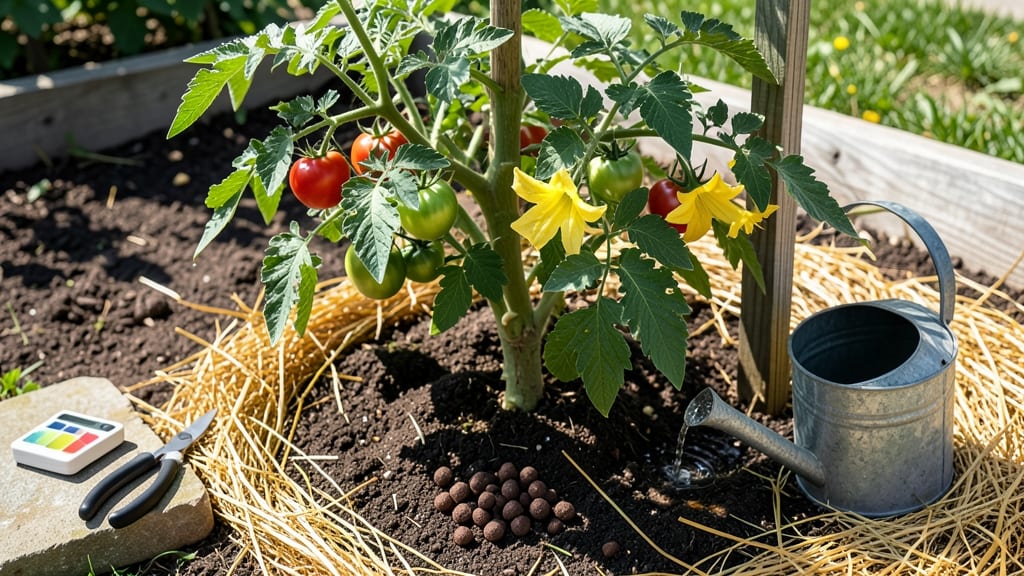
How to boost tomato plant growth with sunlight is the secret weapon for explosive vines—more light means bigger fruit and thicker stems. 🌞 I learned this the hard way when my first plants grew leggy and weak despite daily watering. The fix? Six hours of direct sun isn’t enough—aim for 8+ hours, especially during fruiting. The right setup makes all the difference. Container growers need deep pots (10+ gallons) with reflective surfaces to bounce light, while in-ground plants benefit from south-facing positions and trellises to keep foliage off the ground. Even shade-loving varieties like 'Black Krim' thrive with morning sun and afternoon shade—just don’t skimp on light. You’ll notice the difference within 2 weeks: leaves turn deeper green, flowers set faster, and vines grow 2-3 inches per day during peak season. The key is consistency—tomatoes don’t tolerate sudden shade shifts, so plan your layout before planting. Works for determinate (bush) and indeterminate (vining) types. Here’s how to maximize every ray of sunlight without burning your plants.
📚 In This Guide
- What you need
- Instructions
- Tips and common mistakes
- Wrapping up and next steps
What you need
- ● Tomato seeds or seedlings: Choose disease-resistant varieties (e.g., Cherry Tomatoes, Beefsteak, or Roma). Quantity: 3–6 plants per container or 1,000–2,000 seeds for direct sowing.
- ● High-quality potting mix: Lightweight, well-draining soil (e.g., 50% peat moss, 30% perlite, 20% compost). Quantity: 1–2 cubic feet per plant (or 10–20 lbs for containers).
- ● Containers or garden bed: Containers: 5-gallon pots or larger (minimum 12–18 inches deep) for dwarf varieties; 20+ gallons for indeterminate types. Material: Plastic, fabric, or terracotta (with drainage holes!).
- ● Garden bed: Full sun (6–8+ hours daily), loose soil with pH 6.0–6.8.
- ● Fertilizer: Balanced organic fertilizer (e.g., 10-10-10 NPK) or compost. Quantity: 1–2 tbsp per plant at planting; monthly feedings with diluted liquid fertilizer (e.g., fish emulsion).
- ● Watering can or hose: With a gentle spray nozzle to avoid soil erosion.
- ● Mulch: Straw, grass clippings, or shredded leaves (2–3 inches thick) to retain moisture and suppress weeds.
- ● Garden trowel or transplanting spade: For digging and planting.
- ● Pruning shears: Sterilized for trimming suckers and dead leaves.
- ● Stakes or cages: 6–8 ft tall for indeterminate varieties (e.g., hemp twine or metal cages).
- ○ Reflective mulch or aluminum foil: Optional for extra sunlight redirection in shaded areas.
- ● Grow lights (LED, full-spectrum): For indoor setups—provide 12–16 hours of light daily.
- ● Soil moisture meter: To monitor water levels without over-saturating roots.
- ● Epsom salt (magnesium sulfate): 1 tbsp per gallon of water (monthly spray for green leaves!).
Tips & tricks for maximizing tomato plant growth
These sunlight-focused strategies will help you transform underperforming tomato plants into vigorous, fruit-bearing powerhouses.
Light Exposure Optimization: The 6-8 hours of direct sunlight mentioned in Step 1 is non-negotiable for optimal growth, but here's what I've learned about maximizing that exposure: Position your plants so they receive morning sun first—this helps prevent sunburn on the fruit later in the day. I've found that plants in containers can be rotated daily to ensure even light distribution on all sides, especially if you're limited to balcony or patio space. For container growers, use reflective surfaces like white paint on walls or aluminum foil to bounce an extra 20-30% more light onto your plants.
Pruning Precision: When pruning suckers to 3-4 inches in Step 2, I've discovered that timing matters just as much as technique. The best time to prune is in the early morning when the plant is fully hydrated and the tools are clean. Sterilize your pruners with rubbing alcohol between plants to prevent spreading disease. For indeterminate varieties, I recommend pruning suckers weekly rather than all at once—this gradual approach prevents stress on the plant while maintaining that crucial light penetration.
Watering Wisdom: The deep watering technique in Step 3 is brilliant, but here's the secret I didn't mention: Water at the soil level rather than overhead to avoid wetting the leaves. This simple adjustment dramatically reduces fungal diseases like early blight. I've also noticed that watering at the same time each morning creates a predictable routine that helps the plant's roots establish deeper, more efficient moisture absorption. For container plants, I water until I see moisture running out the drainage holes—this ensures the entire root ball is properly hydrated.
Grow Light Strategy: When supplementing with grow lights for 14-16 hours daily as mentioned in Step 4, I've found that the light spectrum matters more than most gardeners realize. Full-spectrum LED lights that include red and blue wavelengths (around 660nm and 450nm respectively) are ideal for tomato growth. Position the light so it covers the plant's entire canopy, not just the top—this prevents leggy growth. I adjust the light height weekly as the plant grows, keeping it 12-18 inches above the tallest leaves to maintain optimal intensity.
Pro Tips for Boost Tomato Plant Growth
- These sunlight-focused strategies will help you transform underperforming tomato plants into vigorous, fruit-bearing powerhouses.
- I've found that plants in containers can be rotated daily to ensure even light distribution on all sides, especially if you're limited to balcony or patio space.
- Pruning Precision: When pruning suckers to 3-4 inches in Step 2, I've discovered that timing matters just as much as technique.
Frequently asked questions
How often should I fertilize tomato plants for maximum growth?
Fertilize tomato plants every 2-3 weeks during the growing season (spring to early fall) using a balanced, organic fertilizer (like 5-5-5 or compost tea). Avoid over-fertilizing—too much nitrogen can reduce flowering. Pro tip: Switch to a low-nitrogen, high-phosphorus fertilizer (e.g., 3-6-3) when fruits start forming to boost yields!
Can I boost tomato growth if I plant them late in the season?
Yes, but with adjustments! Late-season tomatoes need extra warmth—use black plastic mulch or row covers to extend the season. Opt for fast-maturing varieties (like ‘Early Girl’ or ‘Stupice’) and provide intensive sunlight (10+ hours/day). If frost threatens, harvest green tomatoes and ripen indoors with a banana or apple nearby for ethylene gas!
What if my tomato plants aren’t getting enough sunlight?
Tomatoes thrive on 6–8+ hours of direct sunlight daily. If your garden lacks sun, try:
- Moving plants to a sunnier spot (even a few feet can help).
- Using a reflective surface (like white walls or mirrors) to bounce light.
- Choosing dwarf or bush varieties for containers near windows.
Are there natural alternatives to chemical fertilizers for faster growth?
Try these organic powerhouses:
- Compost or worm castings: Rich in nutrients and microbes.
- Fish emulsion or seaweed extract: Packed with growth hormones.
- Epsom salt (magnesium sulfate): 1 tbsp per gallon of water, sprayed on leaves weekly.
- Banana peels: Bury chopped peels near roots for potassium (but remove before fruiting).
My tomato plants look stunted—could pests be the issue?
Pests like aphids, hornworms, or spider mites sap energy from plants, stunting growth. Check leaves for:
- Sticky residue (aphids).
- Large green caterpillars (hornworms).
- Fine webbing (spider mites).
Wrapping up and next steps
Growing thriving tomato plants is all about giving them the right conditions—especially sunlight, water, and nutrients. By maximizing sun exposure with simple hacks like pruning, reflective surfaces, and strategic placement, you’ll watch your vines flourish into productive powerhouses. 🌱
Now that you’re armed with these sunlight secrets, it’s time to roll up your sleeves and get planting! Start with a single plant or a full garden—either way, your future juicy tomatoes will thank you. Happy growing! 🍅