
How To
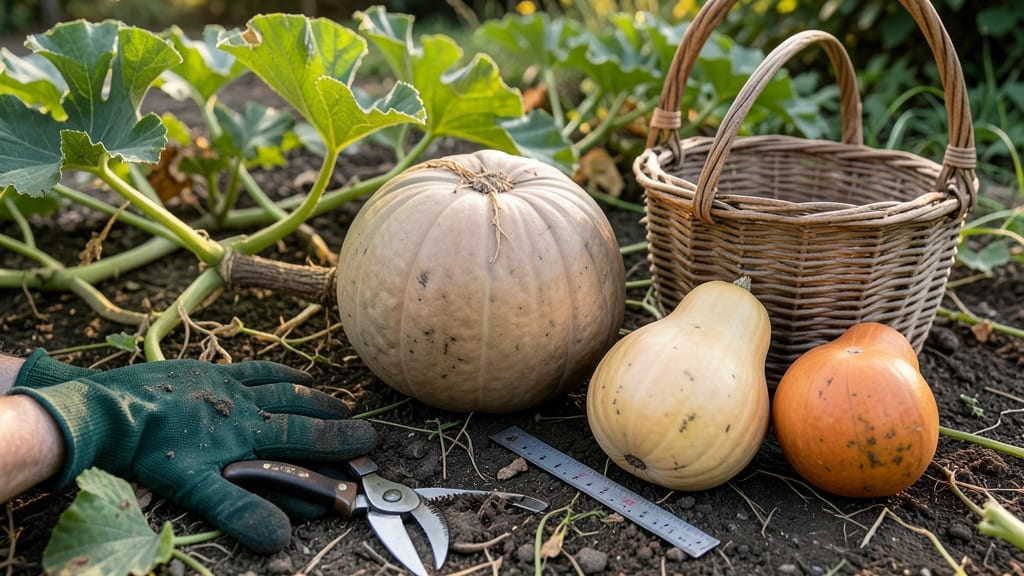
Picking the perfect how to pick a ripe butternut squash can feel like solving a mystery—one wrong move, and you end up with bland or mushy results. But here's the good news: with just three simple tactile tests, you'll never second-guess your selection again.
Whether you're a seasoned gardener or a first-time shopper, these tricks ensure you bring home a squash that's sweet, firm, and ready for the table.
The key to nailing this lies in what you can't see at first glance—like the stem's hardness or the subtle sound when tapped. I'll walk you through each test so you can confidently choose a squash that's peak ripeness without any guesswork.
No more overripe disappointments or underripe frustration—just perfect, flavor-packed squash every time.
Even experienced gardeners sometimes make mistakes, like confusing firmness with overripeness or ignoring the stem's condition. I'll show you exactly what to look (and feel) for to avoid these common pitfalls.
Once you've picked the ideal squash, I'll share pro tips to store it so it stays fresh for months—because nothing beats the satisfaction of a perfectly ripe butternut squash that lasts.
Ready to transform your squash game? Let's dive into the three foolproof tests that will have you selecting like a seasoned expert in no time. Your future meals (and taste buds) will thank you!
3 Tactile tests to identify a perfectly ripe butternut squash
Butternut squash reaches its peak sweetness when fully ripe, but many gardeners struggle to tell the difference between perfectly ripe and overripe specimens. The key lies in three simple tactile tests that go beyond just looking at the skin.
These methods—firmness check, stem condition, and weight assessment—will help you confidently select squash with the ideal texture and flavor every time.
Start with the firmness test, which is the most reliable indicator of ripeness. Press your fingernail into the skin near the stem. If it doesn’t dent and feels hard like a baseball, the squash is ripe.
A soft spot means it’s overripe, while a slightly soft but not mushy feel suggests it’s still underripe. This test works because ripe squash develops a tougher skin as it matures.
- Test 1: Press fingernail into skin—no dent = ripe
- Test 2: Stem should be dry and woody, not green
- Test 3: Lift squash—heavy for size = ripe
- Bonus: Tap gently—hollow sound = ripe
The stem condition is another critical clue. A ripe butternut squash will have a dry, brown, and woody stem that snaps easily when bent. If the stem is still green or flexible, the squash isn’t fully ripe yet.
This change happens naturally as the squash matures, signaling that the seeds inside are fully developed and the flesh is at its sweetest.
Don’t overlook the weight test, which reveals whether the squash is properly hydrated. A ripe butternut squash should feel heavy for its size, almost like it’s packed with dense, flavorful flesh.
Lift a few options—if one feels significantly lighter, it’s likely underripe or has lost moisture. This test is especially useful when comparing multiple squash at the market.
For an extra layer of confidence, try the sound test. Give the squash a gentle tap with your knuckles. A ripe squash will produce a hollow, echoing sound, similar to knocking on a wooden door.
A dull thud means the squash is overripe or has a watery center. This method works because ripe squash has fully developed seeds and a thick, dry rind.
Combine these tests for the best results. For example, if a squash passes the firmness and stem tests but fails the weight test, it might still be worth a closer look.
Sometimes, slight variations in growing conditions can affect individual squash, so trust your senses and don’t rely on just one method.
Once you’ve mastered these tactile tests, you’ll notice a big difference in the flavor and texture of your butternut squash. Ripe squash cooks down into a creamy, sweet puree, while underripe or overripe squash can taste bland or mealy.
Store your perfectly ripe squash in a cool, dry place (like a pantry) to preserve its quality for weeks.
Pro tip: If you’re harvesting from your own garden, watch the vine for signs of ripeness. When the leaves nearest the squash start to yellow and die back, it’s a good indicator that the squash is nearing peak ripeness.
This natural signal aligns with the tactile tests, giving you two ways to confirm readiness.
With practice, these tests will become second nature, and you’ll be able to spot a perfectly ripe butternut squash in seconds. Happy harvesting—and enjoy that sweet, nutty flavor at its best!
3 Tactile tests to identify a perfectly ripe butternut squash
When selecting a butternut squash, your hands are your best tool. A ripe squash should feel heavy for its size—this indicates it’s packed with sweet, dense flesh. Gently lift one and compare it to others; the heaviest one is usually the ripest.
This test works because as squash mature, they absorb more water and nutrients, making them naturally heavier.
The stem condition is another dead giveaway. A ripe butternut squash will have a dry, brown stem that snaps cleanly when bent. If the stem is still green or flexible, the squash isn’t ready.
Avoid squash with stems that are mushy or detached—this often means the squash was harvested too late or damaged during transport.
Now for the fun part: the tactile tap test. Give the squash a firm tap with your knuckles—it should sound hollow but not empty. A dull thud means it’s overripe or spoiled, while a sharp, echoey sound indicates it’s perfectly ripe.
This test reveals the internal density of the flesh, which is key to that ideal sweetness.
- 1. Weight Test: Lift and compare—heavy = ripe
- 2. Stem Test: Brown, dry, and snaps = perfect
- 3. Tap Test: Hollow sound = sweet and dense
Don’t overlook the skin texture either. A ripe butternut squash should have a smooth, hard rind that’s difficult to pierce with your fingernail. If the skin gives way easily, it’s underripe.
Conversely, if it feels soft or wrinkled, it’s past its prime. Pro tip: Run your fingers over the squash—it should feel firm and slightly rough, not slick or mushy.
Putting it all together, combine these tests for foolproof results. For example, if a squash passes the weight test and tap test but has a green stem, it’s not ready yet.
Meanwhile, a squash that’s heavy, hollow-sounding, and has a dry stem is your winner. These tactile clues eliminate guesswork and ensure you bring home a squash that’s bursting with flavor.
Once you’ve mastered these tests, you’ll notice how much easier it is to spot the perfect squash at the farmers' market or grocery store.
The next time you’re in the produce section, take a moment to feel, tap, and compare—your taste buds will thank you for the difference between a mediocre and a showstopping butternut squash. 🎃