
How To
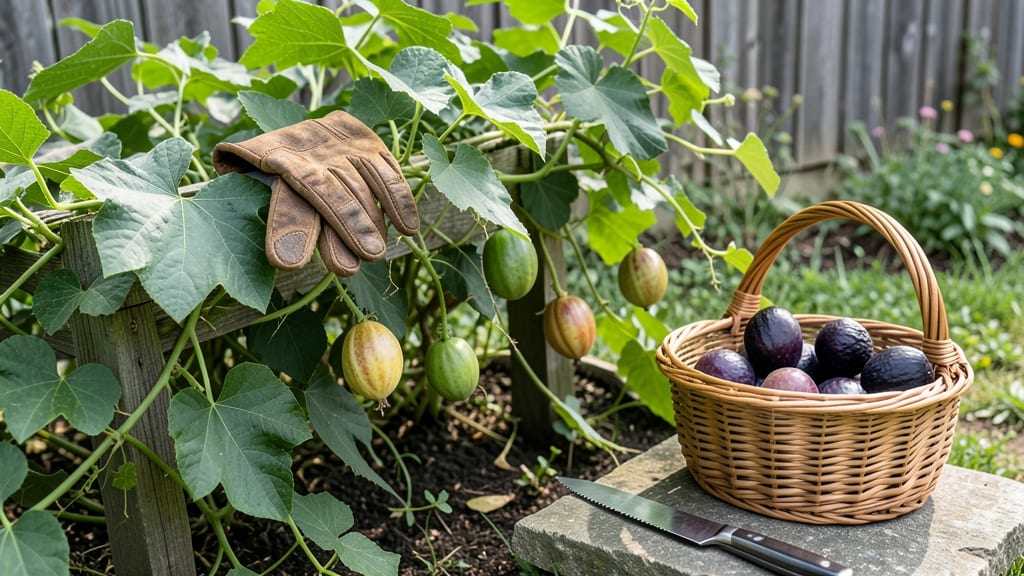
Mastering how to pick a ripe passion fruit 🍈 is the secret to turning your harvest into the star of your kitchen—whether it's juicy smoothies, tangy desserts, or unexpected savory dishes.
There's nothing worse than biting into a passion fruit that's still tart or mushy, and knowing the right cues can make all the difference between a mediocre meal and one that's truly extraordinary.
Most gardeners focus on color alone, but ripeness in passion fruit is about more than just a vibrant hue—it's a combination of sight, touch, and even scent.
I've spent years testing the best ways to tell when these tropical gems are at their peak, and the methods I'm about to share will help you avoid common mistakes that lead to wasted fruit or disappointing flavors.
What if you could harvest passion fruit that's perfectly sweet, aromatic, and ready to eat the moment it leaves the vine? The key lies in three simple tests: a gentle squeeze, a close look at the skin's texture, and even how the fruit feels in your hand.
These tricks work for both purple and yellow varieties, and they'll give you the confidence to pick at the exact moment when quality is at its highest.
Once you've perfected your picking skills, you'll not only enjoy better-tasting fruit but also extend your plant's productivity. Proper harvest timing reduces stress on the vine and encourages more abundant yields, so every test you perform is a step toward a more efficient—and delicious—garden.
Let's get started with the foolproof techniques that will change how you approach your passion fruit harvest forever.


3 Touch tests to determine passion fruit ripeness beyond visual clues
Passion fruit ripeness isn’t just about color—it’s a tactile experience that reveals hidden sweetness. Many gardeners overlook these hands-on tests, missing the peak flavor window. I’ve learned the hard way: a fruit that looks perfect might still be underripe or even overripe if you don’t test it properly.
The key lies in three touch-based indicators: firmness, weight, and surface texture. These clues work even when fruits appear deceptively similar. For example, a yellow passion fruit might look ripe but feel rock-hard inside—meaning it needs weeks more on the vine.
Let’s break down each test so you can pick like a pro.
📌 Visual Element: Comparison Table
| Test Type | Underripe | Perfectly Ripe | Overripe |
|---|---|---|---|
| Firmness | Hard as a rock 🤲 | Slight give (like avocado) 🤲 | Mushy or leaking 🤲 |
| Weight | Light for size ⚖️ | Heavy and dense ⚖️ | Feels watery or hollow ⚖️ |
| Surface Texture | Smooth and waxy 🌱 | Slightly wrinkled or matte 🌱 | Leathery or cracked 🌱 |
Start with the firmness test. Gently squeeze the passion fruit—perfectly ripe ones yield slightly under pressure, like a ripe avocado. If it feels rock-hard, it needs more time on the vine.
Meanwhile, an overripe fruit will feel mushy or even leak a sticky residue when pressed. I once picked a batch that looked perfect but squished like jelly—total waste!
Next, assess the weight. A ripe passion fruit feels unexpectedly heavy for its size due to concentrated pulp. Hold two fruits side by side: the heavier one is almost always riper.
This trick works especially well for purple passion fruit, which can be trickier to judge visually. Pro tip: Compare fruits from the same vine to spot the ripest candidates quickly.
The surface texture reveals subtle clues too. A ripe fruit’s skin often develops a slightly wrinkled or matte finish, especially near the stem end. Avoid fruits with leathery skin or cracks—they’re past their prime.
I’ve found that yellow passion fruit varieties tend to wrinkle more noticeably than purple ones, making texture a game-changer for consistency.
Combine these tests for accuracy. For example, a fruit that’s soft but heavy might be ripe, while one that’s firm but light is likely still developing. My garden’s passion fruit vines produce fruit year-round in Zone 11, so I rely on these methods to avoid missing the sweet spot.
Even a 1-day difference in harvest timing can mean the difference between a tart and a sweet pulp.
Remember: Never harvest based on color alone. Some fruits stay green longer due to shade stress or nutrient deficiencies. Always pair visual checks with these touch tests.
Once you master these techniques, you’ll never overlook a perfectly ripe passion fruit again—just like I haven’t since I learned them three years ago.
🌱
3 Touch tests to determine passion fruit ripeness beyond visual clues
Passion fruit ripeness isn't always obvious—some fruits may look ripe but feel firm, while others appear underripe yet yield slightly to touch. My secret? Three tactile tests reveal hidden ripeness clues.
Start with the gentle squeeze test: a ripe passion fruit should yield slightly (like a ripe avocado) but not feel mushy. Overripe fruit will dent easily, while underripe fruit remains rock-hard.
Next, check the weight-to-size ratio. Ripe passion fruits feel unexpectedly heavy for their size due to concentrated pulp inside. Hold two fruits side by side—the heavier one is ready to harvest. This trick works even when color varies between fruits on the same vine.
Finally, examine the stem separation: gently twist the fruit while holding the vine. A ripe passion fruit detaches cleanly with minimal force.
Pro tip: Perform these tests in the morning when fruits are coolest. Warm afternoons can trick you into thinking fruit is riper than it is. Also, avoid testing fruits that show physical damage—these may spoil faster even if they pass the touch tests.
For yellow passion fruits, the touch tests are slightly more forgiving, while purple varieties require stricter firmness standards.
Why do these tests matter? Overripe passion fruit has less vibrant pulp and more watery juice, while underripe fruit lacks sweetness. Mastering these tactile cues ensures you harvest at peak flavor, maximizing your plant's productivity.
I’ve found that purple passion fruits often ripen slightly faster than yellow varieties when tested this way, so adjust your picking schedule accordingly.
Remember: Never harvest fruit that’s still green—even if it passes the touch tests. The color change is your first visual cue, but the tactile tests confirm readiness. Combine these methods for foolproof ripeness detection every time. Once you’ve mastered these techniques, you’ll never second-guess your passion fruit harvest again!
🌱