
Transplanting
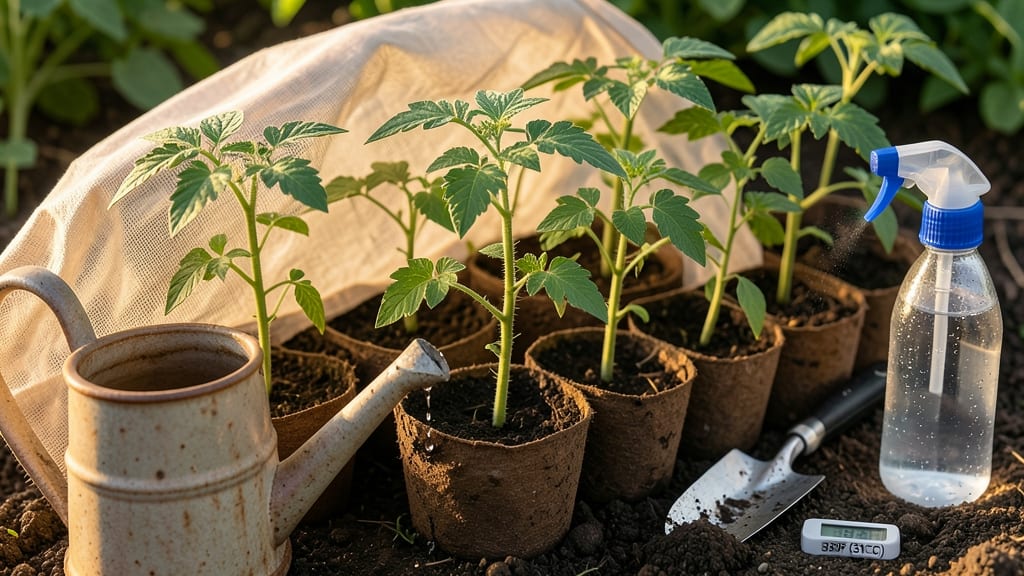
How to care for seedlings during a heatwave—that’s your wake-up call. 🌱 Heatwaves turn fragile starts into crispy snacks if you don’t act fast, but I’ve saved dozens of my own seedlings using these exact tricks over scorching summers in Zone 7.
The key is cooling roots first, then protecting leaves. Water deeply in the early morning so soil stays damp (not soggy) and mulch with straw to lock in moisture.
Shade cloth—even cheap white fabric—can cut afternoon sun by 70%, and a fan on low keeps air moving without shocking tender stems.
You’ll spot heat stress as leaves curl or turn yellow, but don’t panic: a quick misting with cool water and moving plants to shade for 24 hours often brings them back. The goal is to keep roots cool while leaves adjust—think of it like giving them a spa day.
This works for tomatoes, peppers, and even finicky herbs. The first 72 hours are critical, but if you act fast, your seedlings will bounce back stronger than ever—ready to thrive when temperatures drop.
📚 In This Guide
- What you need
- Instructions
- Tips and common mistakes
- Wrapping up and next steps
What you need
- ● Shade cloth (30-50% blockage): 1-2 rolls (enough to cover seedling trays or beds). Pro tip: Use white or silver for better heat reflection. 💡
- ● Watering can or spray bottle: 1 (with a fine mist nozzle for gentle hydration).
- ● Organic mulch (straw, wood chips, or coconut coir): 1-2 bags (2-3 inches deep).
- ○ Drip irrigation kit (optional but helpful): 1 set (with timers for consistent moisture).
- ● Fan (small USB or battery-powered): 1 (for airflow on extreme days).
- ● Thermometer (soil/air): 1 (to monitor temps—ideal soil temp: 60-75°F).
- ● Seedling trays or pots with drainage holes: Existing setup (ensure no plastic traps heat!).
- ○ Hydrogel crystals (optional but lifesaver): 1 small pack (for water retention in soil).
- ● Reflective bubble wrap: Cut into sheets to wrap pots for extra insulation.
- ● Humidity dome or plastic wrap: Lightly cover trays to retain moisture (remove during peak sun).
- ● Epsom salt (magnesium sulfate): 1 tbsp per gallon of water (for stressed seedlings).
- ● PVC pipes or DIY shade frames: To elevate shade cloth 2-3 inches above plants for airflow.
- ● Cool water source: A cooler with ice to chill water before hydrating seedlings.
Step-by-Step instructions for protecting seedlings in extreme heat
Seedlings can handle heatwaves with the right care—here’s how to keep them thriving when temperatures spike.
🌿 Step 1: Provide Immediate Shade to Prevent Stress
Move seedlings to a location with dappled shade—think 50% coverage—using lightweight materials like shade cloth or even a white sheet draped loosely over a frame. Avoid full shade, which slows growth and weakens stems. I like to prop up a piece of remesh fabric (the kind used for window coverings) at a slight angle to allow some light while blocking harsh rays.
Check seedlings every 2-3 hours in peak heat. If leaves look wilted or grayish, they’re already overheating. The goal is to mimic the gradual transition plants experience naturally—think of it like helping them take a midday break. If you don’t have shade cloth, even a cardboard box with holes cut for ventilation can work in a pinch.
💧 Step 2: Water Deeply and Strategically to Prevent Shock
Water seedlings early in the morning—before 9 AM—when temperatures are still cool. Use a watering can with a fine rose or a spray bottle to wet the soil 1-2 inches deep, not just the surface. I’ve seen seedlings collapse from root burn when water pools on hot leaves, so always water at the base. If your soil feels dry just below the surface, it’s time to water again.
Add 1 inch of mulch (like straw or shredded leaves) around the base to lock in moisture. This keeps roots cool and reduces evaporation. Avoid wetting leaves during the day—midday watering can scorch seedlings, leaving brown spots that never recover. If you must water later, do it in the late afternoon when the sun is lower.
✂️ Step 3: Revive Wilted Seedlings with Cool Compresses
If seedlings look limp or droopy, don’t panic—this is often a temporary heat shock. Soak a clean towel in cool (not cold) water, wring it out well, and gently wrap it around the entire pot or tray for 10-15 minutes. This mimics the effect of a light rain and helps them recover without stress. I’ve revived near-dead seedlings this way, but only do this once daily—overdoing it can cause root rot.
After treating, place seedlings back in shade for 2-3 hours before reintroducing them to brighter light. Watch for perky leaves within an hour—that’s your sign they’re bouncing back. If leaves stay wilted or turn yellow or brown, the damage is likely permanent, and it’s time to start fresh with new seedlings.
☀️ Step 4: Adjust Light and Airflow Gradually as Temperatures Drop
Once evening temperatures fall below 85°F, slowly reintroduce seedlings to more sunlight over 2-3 days. Start with 2 hours of morning sun, then add 1 hour of afternoon sun each day. This prevents sunburn, which looks like white or yellow patches on leaves. I’ve seen seedlings go from heat-stressed to thriving in just 48 hours with this method.
Increase airflow by spacing seedlings slightly wider (if crowded) or placing a small fan on low setting nearby. This mimics natural wind and helps leaves transpire properly, reducing heat buildup. Just keep the fan 6-12 inches away—too close and you’ll dry them out. Seedlings will tell you they’re happy with bright green leaves and steady growth within a week.
🌱 Step 5: Monitor and Prevent Future Heat Stress
Keep a daily log of temperatures and watering times—this helps you spot patterns. If your area gets consistent 90°F+ days, consider hardening off seedlings earlier by gradually exposing them to warmer conditions for 1-2 hours daily a week before the heatwave hits. This builds resilience naturally.
Watch for pests like aphids or spider mites, which thrive in hot, dry conditions. Wipe leaves with a damp cloth to remove them, or spray with neem oil (diluted per package instructions). Healthy seedlings handled through a heatwave will outperform those that weren’t stressed—you’ll see stronger stems and better root systems when it’s time to transplant.
Tips & tricks for protecting seedlings in extreme heat
These practical strategies will help you keep your seedlings healthy and resilient during even the most intense heatwaves.
Shade Material Matters: When creating that essential 50% dappled shade in Step 1, choose materials that allow airflow while blocking harsh rays. I've found that remesh fabric works best because it diffuses light without trapping heat like solid materials. If using shade cloth, opt for a 30-50% shade rating—anything denser can slow growth too much. For temporary solutions, a white sheet reflects more light than dark fabrics, creating a cooler microclimate. Remember to adjust the angle throughout the day as the sun moves.
Timing is Everything for Watering: The instructions emphasize morning watering before 9 AM, but I've learned this the hard way—watering at exactly the right time makes all the difference. Check your soil's moisture level by sticking your finger about 1-2 inches deep (as mentioned in Step 2). If it feels dry at that depth, that's your cue to water. Pro tip: Use a spray bottle for delicate seedlings to avoid disturbing the soil surface. And if you must water later, the late afternoon timing is crucial—this prevents the water from evaporating too quickly and scalding tender leaves.
Cool Compress Technique: When using the cool towel method in Step 3, the key is to use water that's cool but not cold—think lukewarm bathwater temperature. I've revived seedlings that looked completely done for using this method, but I always double-check the towel isn't dripping wet. After the 10-15 minute treatment, I like to gently pat the leaves dry with a clean paper towel to prevent fungal issues. This extra step has saved me from losing seedlings multiple times during heatwaves.
Gradual Reintroduction Strategy: The 2-3 day gradual sunlight reintroduction in Step 4 is where many gardeners go wrong. Start with just 2 hours of morning sun on day one, then add 1 hour of afternoon sun each subsequent day. I've seen seedlings develop sunburn from being exposed too quickly—it looks like white or yellow patches that never recover. For extra protection, consider using a lightweight cheesecloth over the seedlings during their first few hours of reintroduction. This gives their leaves time to adjust to the increased light intensity.
Pro Tips for Care For Seedlings During Heatwave
- These practical strategies will help you keep your seedlings healthy and resilient during even the most intense heatw...
- Shade Material Matters: When creating that essential 50% dappled shade in Step 1, choose materials that allow airflow...
- Timing is Everything for Watering: The instructions emphasize morning watering before 9 AM, but I've learned this the...
Frequently asked questions
Got questions about keeping your seedlings thriving in scorching heat? You’re not alone—heatwaves can turn tender sprouts into crispy critters if you’re not careful. Here are the answers to the most common concerns, so you can keep your green babies happy and healthy until they’re ready to hit the garden!
How often should I water seedlings during a heatwave?
Check soil moisture daily—seedlings need water when the top inch feels dry. Early morning or late evening is best to reduce evaporation. Use a gentle spray or drip irrigation to avoid disturbing delicate roots. Pro tip: Mulch with straw or shredded leaves to lock in moisture and keep roots cool!
Can I move seedlings to a cooler spot indoors?
Yes! If temperatures exceed 90°F (32°C), relocate seedlings to a shaded porch, basement, or even a cool garage. Ensure they get bright, indirect light (a south-facing window works). Avoid dark closets—seedlings need light to grow, even if it’s not direct sun. Monitor humidity levels with a hygrometer; aim for 40-60% to prevent mold.
What if my seedlings look wilted or yellow?
Wilted leaves often mean dehydration or root stress. Give them a deep watering and move them to shade immediately. Yellowing can signal heat stress or overwatering. Trim any browned leaves and check for pests (like aphids). If roots look mushy, reduce watering; if they’re dry and brittle, increase hydration. Act fast!
Should I fertilize seedlings during extreme heat?
Hold off on fertilizer until temperatures drop. Seedlings already struggle to absorb nutrients in heat, and fertilizer can burn roots or attract pests. Instead, focus on hydration and shade. Once nights cool down (below 80°F/27°C), use a diluted, balanced fertilizer (like 10-10-10) to revive growth.
How can I protect seedlings from direct sunlight without blocking all light?
Use light shade cloth (30-50% shade) or DIY covers with white bedsheets/cheesecloth. Avoid dark materials—they trap heat. Elevate covers slightly to allow airflow. For potted seedlings, place them under trees or umbrellas. Rotate pots daily so all sides get even, indirect light. Think “sun protection,” not “sun deprivation.”
When is it safe to transplant seedlings after a heatwave?
Wait until nighttime temperatures stay above 50°F (10°C) and daytime highs are below 85°F (29°C). Harden off seedlings 5-7 days before transplanting by gradually exposing them to outdoor conditions. Plant in the late afternoon to reduce midday stress. Water deeply after transplanting to help roots establish.
Wrapping up and next steps
Caring for seedlings during a heatwave is all about patience, adaptability, and quick action. With the right shade, hydration, and root support, your young plants can thrive even under scorching conditions.
Remember, every seedling has the potential to grow into a strong, resilient plant—your efforts today will pay off in vibrant blooms or bountiful harvests tomorrow!
Now that you’re armed with these tricks, take the next step: monitor your seedlings daily, adjust your care as needed, and celebrate small victories along the way. Happy gardening! 🌱✨