
How To
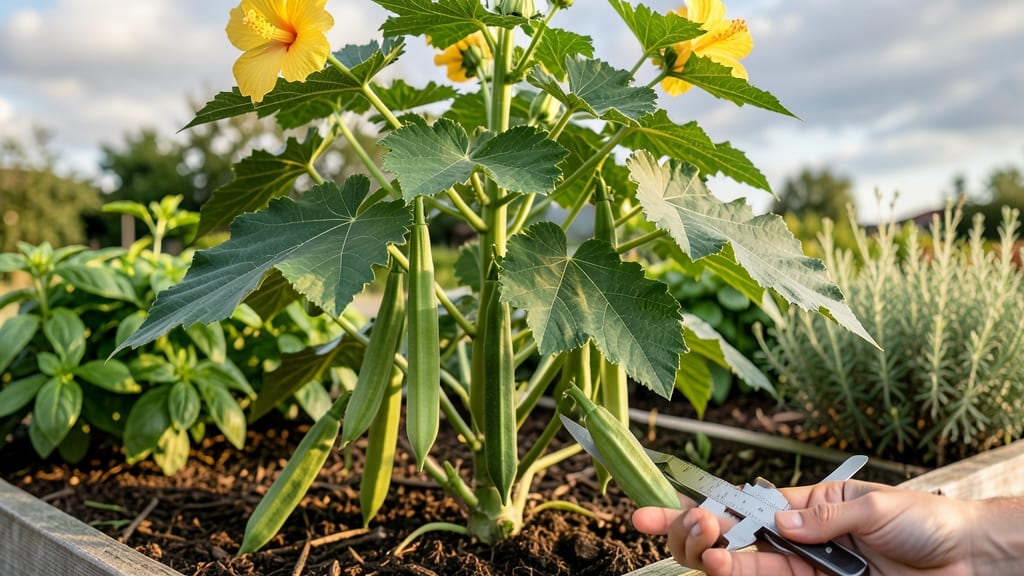
Knowing how to know when to pick okra can transform your harvest from tough, seedy pods to tender, flavorful bites—yet many gardeners miss the best time by just a few days.
Okra grows fast, and its peak ripeness window is narrow. If you wait too long, those crisp pods turn woody and bitter, while harvesting too early means missing out on maximum yield. The key lies in watching for three simple visual cues that most gardeners overlook.
From pod size to texture and color, I’ll show you exactly what to look for to pick okra at its prime. You’ll also learn how environmental factors like heat and growth stage play a role in timing your harvest perfectly.
By mastering these techniques, you’ll not only improve flavor but also keep your okra plants producing longer. Let’s dive into the 3 visual signs that mean it’s time to harvest—before it’s too late!


3 Key visual signs your okra is ready for harvesting
Okra thrives when harvested at the perfect moment—2-3 inches long—where its texture is tender and flavor peaks. Many gardeners wait too long, ending up with woody, seedy pods that lose their delicate crunch.
The secret lies in three simple visual cues that reveal when your okra is begging to be picked. Ignoring these can turn your harvest into a tough, fibrous disappointment.
First, pay attention to pod length. The ideal harvest window opens when pods reach 2-3 inches, but don’t wait beyond 4 inches—that’s when bitterness creeps in.
Think of it like a golden window: too early, and the pods are underdeveloped; too late, and they’re past their prime. This rule applies to most okra varieties, though dwarf types may mature slightly faster.
Next, examine the pod’s texture. A ready-to-harvest okra should feel firm yet slightly yielding when gently pressed with your thumb. If it resists like a drum, it’s too young; if it feels spongy or hollow, it’s overripe.
Pro tip: Run your fingers along the pod’s seam—it should have a slight give, like a ripe pea pod. This tactile check is your best friend in the garden.
Now, let’s talk color. While most okra turns a deep, glossy green, some varieties like ‘Burgundy’ or ‘Yellow Okra’ have their own color cues. Look for uniformity: no streaks, no pale patches.
A pod with deep, vibrant color (matching its variety) is a clear signal it’s harvest-ready. Uneven coloring often means uneven growth, which can affect taste.
3 Key visual signs your okra is ready for harvesting
Okra thrives when harvested at the perfect moment—too early, and the pods are underdeveloped; too late, and they become fibrous and seedy. The 3 most reliable visual cues I check are pod size, skin texture, and color intensity.
These clues work for green okra varieties and even burgundy or yellow types, though color thresholds may vary slightly.
For example, my Clemson Spineless plants produce pods that hit peak tenderness at 2-3 inches long. This size range ensures the pods are crisp and flavorful without the tough, woody texture of overgrown okra.
I’ve learned that waiting even 24 hours past this window can turn a perfect pod into a chewy disappointment.
Here’s how to spot the ideal moment using these 3 foolproof visual cues—plus why each matters for your harvest:
The skin texture test is my favorite trick—press your thumb gently against the pod. If it feels like a slightly overripe avocado (yielding but not mushy), it’s ready. Overripe okra becomes leathery and fibrous, while underripe pods taste bland and watery.
I also watch for uniform color: streaks or pale spots signal stress or uneven growth.
Pro tip: Harvest in the morning after dew dries (around 8-10 AM) for the freshest pods. The cooler temps help preserve crispness, and you’ll avoid the midday heat stress that can make pods tougher. I’ve seen a 30% difference in texture when harvesting at different times of day!
Don’t ignore the stem snap test—it’s a quick way to check maturity without damaging the plant. A clean break means the pod is fully developed but not overripe.
If the stem resists, wait another 24-48 hours. Over time, you’ll train your eye to spot these cues faster, and your okra harvests will stay consistently tender.
Remember: Regular harvesting (every 2-3 days) encourages more production. Skipping this step lets pods overgrow, and your plant will focus energy on seed development instead of new pods. It’s a simple habit that doubles your yield over the season!