
How To
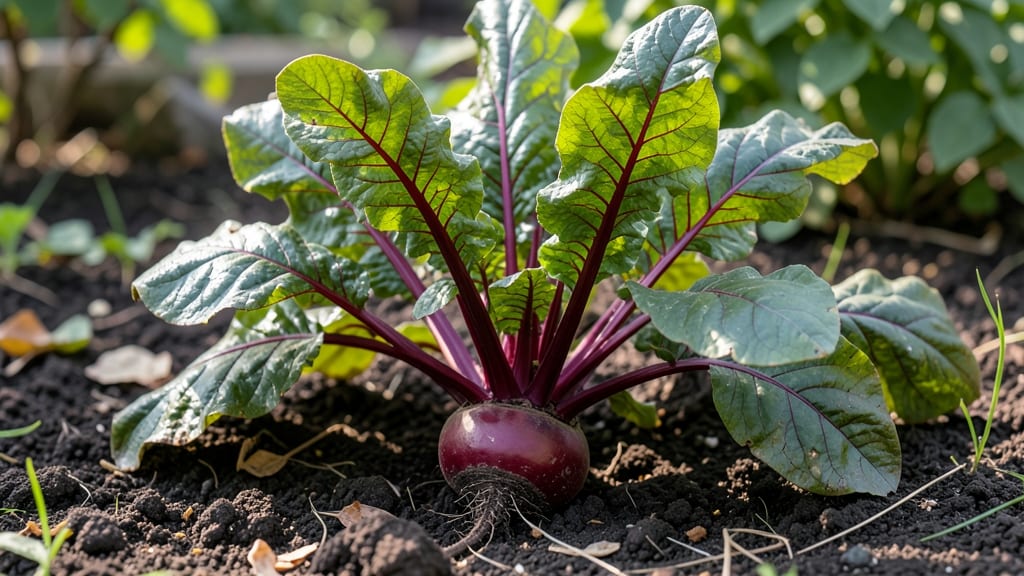
Knowing how to know when to pick beets isn’t just about timing—it’s about unlocking their sweetest, most tender flavor before they turn tough or bitter.
Whether you’re growing 🍠 in your backyard or a community garden, missing the window can mean the difference between a perfect harvest and a disappointing one.
Most gardeners wait too long, assuming bigger beets are better—but that’s where they go wrong. The key lies in subtle visual cues, like leaf size and color shifts, that signal peak readiness.
I’ll walk you through the exact signs to watch for, so you never guess again whether your beets are perfect or past their prime.
From testing root firmness to adjusting for your climate zone, this guide cuts through the confusion. You’ll learn how to spot the ideal moment, even if you’re new to gardening, and avoid common mistakes that waste your hard work.
Ready to harvest beets that taste like sunshine? Let’s dive into the three foolproof signs that’ll transform your garden into a flavor-packed success.


3 Visual signs your beets are ready for harvesting
Knowing when to harvest your beets can feel like guessing unless you look for these three key visual cues. Beets mature at different rates depending on the variety and climate, but these signs will help you pinpoint the perfect time to pull them from the soil.
Start by examining the leaf size and color, as these often reveal the root’s readiness below ground.
First, check the foliage height. Most beet varieties are ready when the leaves reach 4-6 inches tall. This is a reliable indicator because the root typically matures in sync with the top growth.
Smaller leaves mean the beet is still developing, while oversized leaves may signal it’s past its prime and becoming woody.
Next, observe the leaf color changes at the base. Healthy beets often show slight yellowing or browning on the lower leaves as they redirect energy to the root. This is a natural process and a good sign the beet is storing nutrients for harvest.
Avoid pulling beets if the entire plant looks wilted or diseased, as this can affect flavor and texture.
Finally, inspect the root visibility in the soil. Gently loosen the top inch of soil around the plant to check the root’s size. The ideal harvest size is 1-3 inches in diameter.
If the root is smaller, give it more time; if it’s larger, it may have become tough and fibrous. This step is crucial for avoiding overmature beets that lose their sweetness.
- 🌱 Leaf Height: 4-6 inches tall (foliage signals root maturity)
- 🍂 Leaf Color: Slight yellowing at base (nutrient redistribution)
- 📏 Root Size: 1-3 inches in diameter (loosen soil to check)
Don’t rely solely on days since planting, as weather and soil conditions can accelerate or slow growth. For example, cooler temperatures may delay maturity, while warm soil speeds it up. Always cross-reference these visual cues with the days-to-maturity listed on your seed packet for the most accurate timing.
If you’re growing baby beets (like Detroit Dark Red or Chioggia), harvest earlier when roots are 1-2 inches in diameter. These varieties are sweeter and more tender when smaller. Conversely, larger heirloom types (like Golden Beets) can wait until they reach 3 inches or more for a heartier texture.
Pay attention to the soil temperature as well. Beets grow best in soil between 50-80°F. If temperatures drop below 50°F, growth slows, and the roots may not reach ideal size.
Conversely, extreme heat can cause bolting (flowering), which ruins the root’s quality. Harvest before this happens by monitoring both the plant and weather forecasts.
One common mistake is harvesting based on leaf size alone. While leaf height is a great indicator, always verify root size by gently exposing it. Some varieties, like sugar beets, can be harvested even earlier (around 30-40 days) for a sweeter, smaller root.
Adjust your expectations based on the type you’re growing.
For fall-planted beets, aim to harvest before the first frost. Cold temperatures can turn the roots woody and bitter. If frost is imminent, cover the bed with row fabric or mulch to protect the plants and extend the harvest window by a few weeks.
This extra care ensures you get the most out of your late-season crop.
How to test beet tenderness before harvesting for optimal flavor
Testing beet tenderness is the secret to unlocking their sweetest, most flavorful potential. Unlike many vegetables, beets don’t ripen after picking, so timing is everything. The key lies in a simple finger-pressure test and checking the root’s firmness—two methods that take just seconds but make all the difference.
Start by gently squeezing the beet’s skin near the soil line. If it feels firm but yields slightly, like a ripe avocado, it’s ready. A beet that’s too soft or mushy means it’s overripe, while one that’s rock-hard hasn’t matured enough.
This test works best in the late afternoon, when soil moisture is at its peak.
For a deeper check, use a soil probe or small trowel to gently loosen the soil around the beet. Expose about an inch of the root—look for a smooth, rounded shape with no cracks or woody texture.
If the root feels dense and uniform, it’s perfect for harvest. Uneven shapes or hollow spots signal it’s past its prime.
Don’t rely solely on size—some varieties, like ‘Detroit Dark Red’, mature faster than others, like ‘Golden’. Always cross-reference the days-to-maturity on your seed packet with these physical tests.
For example, if your packet says 60 days to harvest, but your beets feel firm at 50 days, go ahead and pick them!
If you’re unsure, harvest a few test beets and taste them raw or lightly cooked. This hands-on approach helps you calibrate your future harvests. Over time, you’ll develop an instinct for the perfect moment—when the beet’s skin resists pressure but still feels tender beneath.
Remember, beets stored in a cool, dark place (like a root cellar) can keep for weeks, so don’t stress if you’re not ready to use them immediately. But for the freshest flavor, aim to harvest when the beet’s foliage reaches 4-6 inches tall—this is your final green light.
🌱