
How To
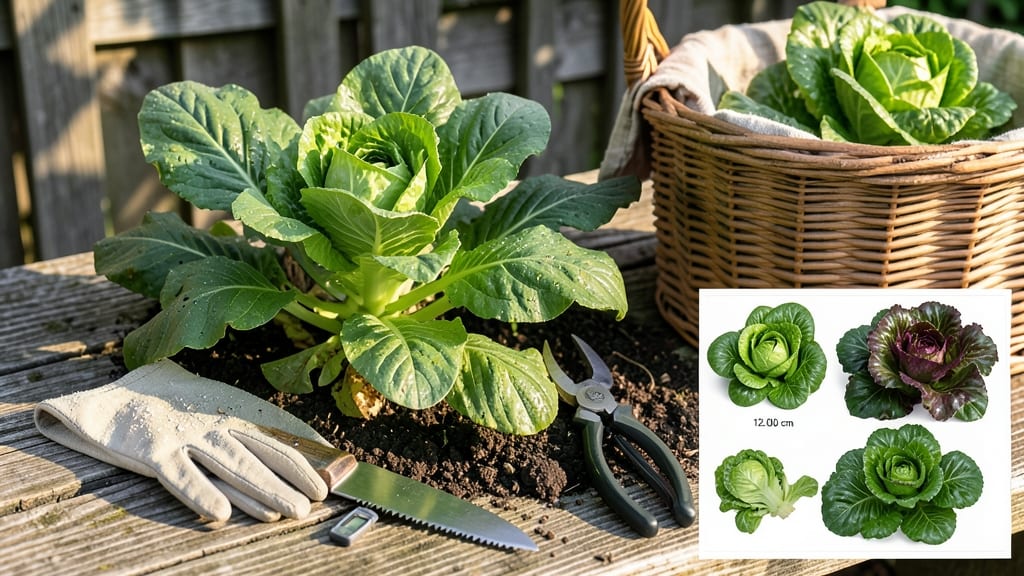
How to know when to pick lettuce can make all the difference between crisp, vibrant greens and disappointing, bitter leaves. The right timing ensures you enjoy the freshest harvest possible, whether you're growing leaf varieties or compact heads.
But how do you tell when those leaves are truly ready? It’s not just about size—texture, color, and even the weather play a role. I’ll show you exactly what to look for so you never miss the perfect moment to harvest your homegrown lettuce.
You’ll learn how to check for the ideal leaf firmness, spot early signs of bolting, and adjust your care based on temperature shifts. These simple tests will help you avoid common mistakes that ruin flavor and waste your hard work.
By the end, you’ll confidently know when to snip those leaves for salads or whole heads for sandwiches—without guessing. Let’s dive into the foolproof way to determine lettuce readiness.


Key visual signs to harvest lettuce at peak freshness
Picking lettuce at the right moment transforms your garden into a crisp, flavorful harvest instead of a bitter disappointment. The key lies in watching for three critical visual cues: leaf size, texture, and color.
Each variety—whether loose-leaf, romaine, or head lettuce—has its own perfect timing, but these universal signs apply to all.
For leaf lettuce varieties, focus on individual leaves reaching 3-6 inches long while still feeling firm. Head lettuce, like iceberg or butterhead, should form a tight, compact head with outer leaves just beginning to curl slightly.
Ignoring these signs often leads to bolting (flowering) or overly tough, bitter leaves.
Let me show you the exact visual cues to watch for in this quick reference:
| Sign | Leaf Lettuce | Head Lettuce | What It Means |
|---|---|---|---|
| Leaf Size | 3-6 inches long | Tight, compact head | Optimal maturity for crispness |
| Texture | Crisp, firm leaves | Outer leaves slightly curling | Peak tenderness before toughening |
| Color | Vibrant, consistent hue | Deep, rich tones | No fading or yellowing |
| Growth Stage | 30-45 days after planting | 45-60 days after planting | Avoid bolting (flower stalk) |
Color is your first warning system. Healthy lettuce leaves should maintain their vibrant green or deep red/purple hues (depending on variety) without yellowing or browning. A single yellowing leaf signals stress—likely from overwatering or nutrient deficiency. For red-leaf varieties, faded color means it's past its prime.
Texture is where many gardeners go wrong. Gently squeeze a leaf—if it feels soft or mushy, it's overripe. If it's too tough, it's underripe.
The perfect leaf should snap crisply when bent slightly. This crispness indicates high water content, which directly translates to better flavor and texture in salads.
Don't overlook the base of the plant. For head lettuce, check if the head feels heavy for its size. This weight confirms moisture-rich leaves. For loose-leaf types, look for 3-4 mature outer leaves surrounding younger growth—this means you can harvest outer leaves while leaving the center to keep producing.
Timing matters just as much as visual cues. In spring or fall, lettuce grows fastest when temperatures stay between 50-75°F. Hotter weather (above 80°F) causes lettuce to bolt prematurely, sending up a flower stalk that ruins tenderness.
If your plants start developing tall, thin stems, it's too late—they're bolting.
Pro tip: Harvest in the morning after dew dries. This ensures maximum crispness since leaves contain the most water. Use a sharp knife or clean scissors to avoid damaging the plant.
For leaf lettuce, cut individual leaves at the base, leaving at least 1 inch of stem to encourage regrowth.
One final check: Taste test! If a leaf tastes bitter, it's past its prime. The best lettuce should have a mild, slightly sweet flavor. This simple test is your ultimate quality control.
Key visual signs to harvest lettuce at peak freshness
Lettuce thrives when harvested at the right time—30 to 45 days after planting for leaf varieties, or 45 to 60 days for head types. The key is watching for leaf size, color, and texture that signal peak freshness.
Ignoring these cues often leads to bitter, tough, or bolted lettuce that ruins salads and sandwiches.
For leaf lettuce like romaine or buttercrunch, focus on outer leaves reaching 3 to 6 inches long. These should be bright green, crisp, and firm to the touch. If the leaves feel mushy or wilted, you’ve waited too long.
For head lettuce like iceberg or crisphead, the entire head should feel dense and compact, with a vibrant, uniform color—no yellowing or browning.
🌱
| Sign | Leaf Lettuce | Head Lettuce |
|---|---|---|
| Leaf Size | 3–6 inches long | Firm, compact head |
| Color | Bright, even green | Vibrant, no yellow/brown |
| Texture | Crisp, firm leaves | Dense, no hollow spots |
| Taste Test | Sweet, no bitterness | Mild, crisp flavor |
| Bolt Warning | Tall flower stalk | Hard, woody core |
Pay attention to the base of the plant—if you see a tall, thin flower stalk (bolting), your lettuce has gone to seed and will taste bitter and tough. This happens when days get too long or hot, especially in late spring or summer.
For fall crops, bolting is less common, but cold snaps can still trigger it.
Another trick? Harvest in the morning when lettuce is at its crispest. Use clean, sharp scissors to snip outer leaves from leaf varieties, leaving the inner growth intact for multiple harvests.
For head lettuce, cut the entire head at the base with a sharp knife to avoid damaging the roots.
If your lettuce starts to yellow or wilt, it’s past its prime. Overwatering or poor drainage can also cause mushy leaves, so always check the soil—it should feel moist but not soggy.
With these visual cues, you’ll always know when to pick crisp, flavorful lettuce instead of tough, bitter disappointment.
🥬