
How To
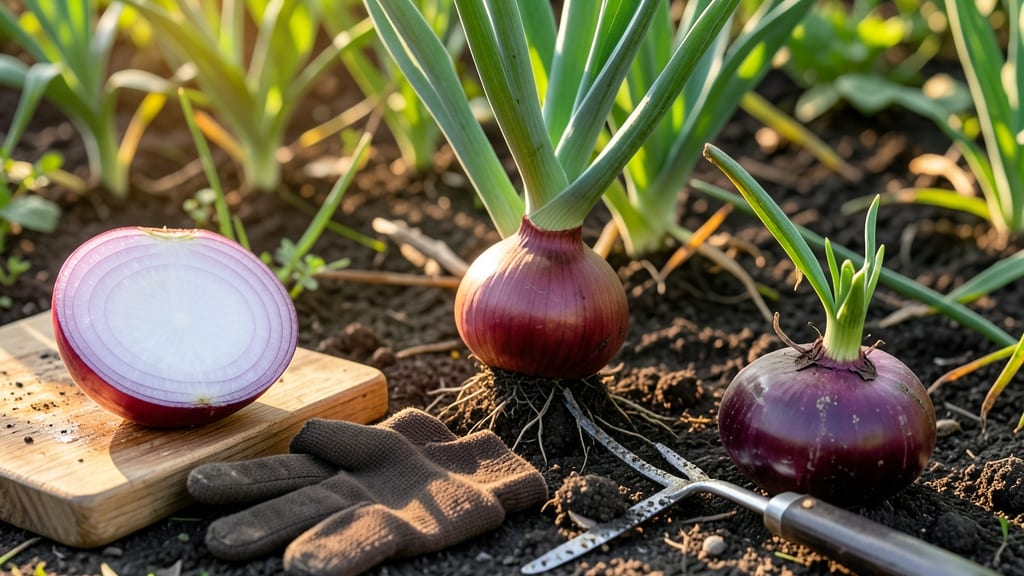
How to know when to harvest red onions can turn a good crop into a great one—or ruin it completely. The difference between sweet, crisp bulbs and bitter, pungent disappointments often comes down to timing, and missing those visual cues means missing peak flavor.
I’ve tested the most reliable methods over the years, and what works best starts with simple checks you can do right in your garden.
From the color of your onion tops to the feel of the soil around the bulbs, these signs will tell you exactly when your red onions are ready to pull—before they go past their prime.
Whether you’re a first-time gardener or a seasoned green thumb, these 3 key tests will help you harvest at the perfect moment. No more guessing, no more wasted effort—just perfect, flavorful onions every time you dig them up.
Let’s break down the exact signals to watch for, so you can enjoy that crisp, sharp taste all season long. Ready to master the art of onion harvesting?


3 Key soil and leaf tests to determine red onion ripeness
Harvesting red onions at the perfect moment transforms your garden into a flavor powerhouse. Unlike their green counterparts, red onions develop underground bulbs that need precise timing to reach their sweetest, crispest potential.
The secret lies in three simple but critical tests: leaf color, bulb firmness, and neck thickness. These visual and tactile cues work together to tell you exactly when your onions are ready—before they become tough or split open.
Start by examining the top of your onion plants. Healthy green leaves will gradually yellow and flatten as they mature. This color shift indicates the plant is redirecting energy from leaf growth to bulb development.
The moment the tops turn straw-colored and begin to flop over, your onions are nearing harvest. However, if the leaves turn brown or wilt prematurely, it could signal overwatering or nutrient stress. This is your first warning that something might be off with your crop.
The most reliable test is the soil pull test, which gives you a tactile confirmation of ripeness. Gently grasp a handful of leaves near the base and lift the plant slightly.
If the bulb resists and feels firm (about the size of a golf ball or 2-3 inches wide), it’s time to harvest. A bulb that slides out easily or feels soft and squishy needs more time in the ground.
This test is especially crucial for red onions, which can develop a bitter, pungent flavor if left too long.
Pay close attention to the neck of the onion, where the leaves meet the bulb. As the onion matures, this area will thicken and develop a papery texture. If you see a 1-inch-thick neck with dry, crisp skin, your onions are nearly ready for harvest.
This is particularly important for red onions, which can split open if harvested too late. Pro tip: After harvesting, use a sharp knife to trim the tops back to 1 inch—this reduces moisture loss and prevents neck rot during storage.
Timing also depends on your climate and onion variety. Most red onions take 100-120 days to mature, but cooler weather can extend this timeline. In short growing seasons, harvest when the tops yellow, even if the bulbs aren’t fully round.
Conversely, in warm climates, onions may bolt (send up flower stalks) if left too long—this is your last-resort signal to harvest immediately, even if the bulbs aren’t fully developed.
For the best results, harvest in the morning when soil is moist but not soggy. This reduces stress on the plant and ensures cleaner bulbs. After pulling, let onions cure in the sun for 1-2 hours to toughen the skin.
Proper curing prevents spoilage and extends shelf life to several months in a cool, dry place. This simple step makes all the difference between onions that last and those that spoil quickly.
Mastering these three tests—leaf color, soil pull, and neck thickness—will give you perfectly timed red onions every season. The next step is avoiding common harvest mistakes that can turn your hard work into disappointment.
In the next section, we’ll cover the biggest pitfalls and how to steer clear of them for a flawless harvest.
3 Key soil and leaf tests to determine red onion ripeness
Knowing exactly when to harvest red onions ensures you enjoy their sweetest flavor and best storage life. Unlike green onions, red onions develop bulbs underground, so you need to check both the foliage and the soil for readiness.
The key is watching for three critical signs: leaf color changes, bulb firmness, and neck thickness. These indicators work together to tell you when your onions are perfectly ripe and ready to pull.
First, focus on the top of the plant. Healthy green leaves will gradually yellow and flatten as the onion matures. This color shift signals that the plant is redirecting energy from leaf growth to bulb development.
However, if the leaves turn brown or wilt before fully yellowing, your onions may have been overwatered or stressed. Pay attention to this transition—it’s your first clue that harvest time is near.
Next, perform the soil pull test, the most reliable way to check if your onions are ready. Gently grasp a handful of leaves near the base and lift the plant slightly.
If the bulb resists and feels firm (about the size of a golf ball), it’s time to harvest. If the bulb slides out easily or feels small and soft, it needs more time.
This tactile check is especially important for red onions, which can become pungent if left too long in the ground.
Don’t overlook the neck of the onion, where the leaves meet the bulb. As the onion matures, this area will thicken and dry out, often forming a papery texture. If you see a 1-inch-thick neck with dry skin, your onions are nearly ready.
This is especially important for red onions, which can split if harvested too late. Pro tip: Use a sharp knife to gently cut the tops back to 1 inch after harvest—this prevents neck rot during storage.
Timing also matters based on your climate and variety. Most red onions take 100-120 days to mature, but cooler weather slows growth. If you’re in a short growing season, harvest when the tops yellow, even if the bulbs aren’t fully round.
Conversely, in warm climates, onions may bolt (send up flowers) if left too long—so watch for flowering stalks as a last-resort signal to harvest immediately.
One final tip: Harvest in the morning when soil is moist but not soggy. This reduces stress on the plant and ensures cleaner bulbs. After pulling, let onions cure in the sun for 1-2 hours to toughen the skin before storing.
Proper curing prevents spoilage and extends shelf life to several months in a cool, dry place.
Mastering these three tests—leaf color, soil pull, and neck thickness—will give you perfectly timed red onions every season. The next step? Avoiding common harvest mistakes that can ruin your hard work—we’ll cover those in the next section.