
How To
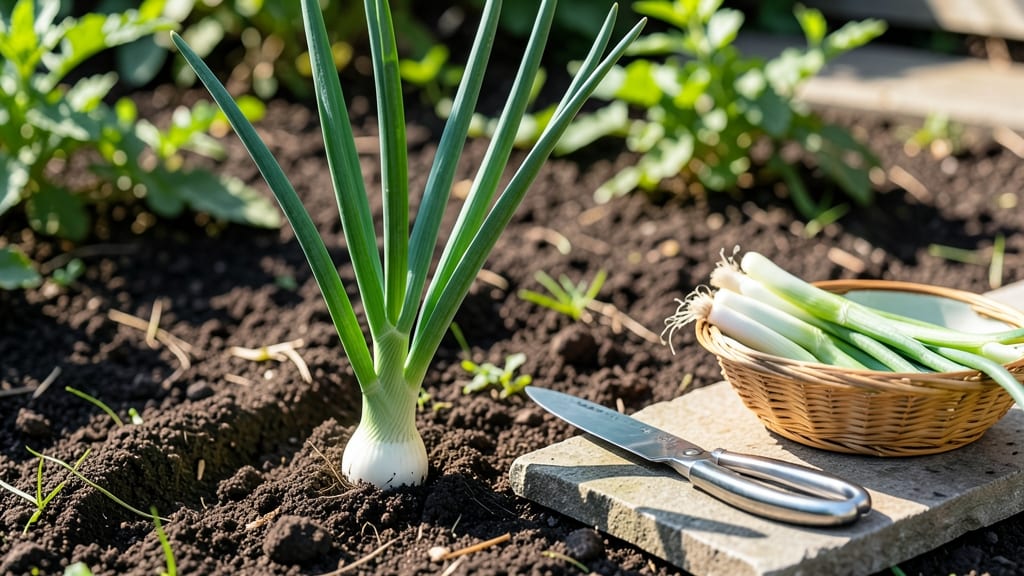
How to know when green onions are ready to harvest can make the difference between a burst of fresh flavor and a disappointing bite. Too soon, and you’ll get grassy, underdeveloped stalks—too late, and they turn tough or bitter. The secret lies in watching for three key leaf stages that signal peak readiness.
Most gardeners miss the sweet spot because they focus on height alone, but the real clues are hidden in the leaf count and bulb development. A 6-8 inch stalk is a good start, but the white bulb should be 1-2 inches long and firm to the touch.
That’s when you’ll taste the full, sharp flavor you love in recipes.
Here’s the game-changer: you don’t have to pull the whole plant. Cut just what you need, leaving the base to regrow, and you’ll enjoy a continuous harvest all season. Whether you’re prepping for spring meals or fall storage, mastering these cues ensures you never waste a single harvest again.
Let’s break down the exact visual and physical signs to watch for—so you can confidently harvest at the perfect moment, every time.


3 Leaf stages to harvest green onions for optimal flavor
Green onions are one of the fastest-growing vegetables in your garden, but knowing exactly when to harvest them can make all the difference in flavor and texture. Unlike mature onions, green onions are best harvested at specific leaf stages to ensure they’re tender, flavorful, and ready for your kitchen.
The leaf count is your best friend here—each stage offers a unique balance of taste and regrowth potential.
Here’s the secret: harvest green onions at 3-4, 6-8, or 10-12 leaves, depending on your goals. Each stage delivers a different flavor profile—from mild and grassy to bold and robust.
Let’s break down these stages so you can pick the perfect time for your needs, whether you’re snipping for salads or storing for long-term use.
-
Stage 1: 3-4 Leaves
🌿 Flavor: Mild, grassy, best for fresh use -
Stage 2: 6-8 Leaves
🌱 Flavor: Balanced, slightly sharper, ideal for storage -
Stage 3: 10-12 Leaves
🌿 Flavor: Bold, robust, risk of bolting if left too long
At the 3-4 leaf stage, your green onions are young and tender, perfect for adding a mild, fresh flavor to dishes. This is also the best time to start harvesting if you’re growing them in containers or small spaces, as they won’t take up much room.
The white bulb will be tiny—about ½ inch long—but the flavor is bright and clean, making it ideal for garnishes or quick stir-fries.
When your green onions reach the 6-8 leaf stage, they’ve developed a more pronounced flavor while still remaining tender. This is the sweet spot for most gardeners because the bulbs are 1-2 inches long and packed with flavor.
At this stage, you can either harvest the entire plant or continue snipping the outer leaves to encourage regrowth. The leaves will be bright green and crisp, with a slight sharpness that adds depth to soups and salads.
The 10-12 leaf stage is where green onions start to mature, and their flavor becomes more intense. The bulbs will be 2-3 inches long, and the leaves may begin to yellow at the tips—a sign they’re nearing their peak.
However, be cautious: if left too long, green onions can bolt (send up a flower stalk), which ruins their flavor and texture. This stage is best for those who want a bold, onion-like taste or plan to store the bulbs for later use.
Pro tip: Regrowth matters! If you harvest at the 3-4 or 6-8 leaf stages, you can continue snipping the outer leaves every 2-3 weeks and watch new growth sprout from the base.
This means you can enjoy a continuous harvest from a single planting, making green onions one of the most efficient crops for your garden.
To test readiness, gently pull a few leaves and check the bulb size. If the bulb is firm and white (not green or shriveled), it’s time to harvest.
Avoid waiting until the leaves turn yellow or the bulb starts to soften—this is a clear sign your green onions have passed their prime.
Remember, seasonal timing also plays a role. In spring, green onions grow quickly, so monitor them closely every 10-14 days. In fall, growth slows slightly, so check them every 2 weeks to avoid missing the harvest window.
With these stages in mind, you’ll never again wonder if your green onions are ready—just watch them grow and harvest at the perfect moment!
3 Leaf stages to harvest green onions for optimal flavor
Green onions are one of the fastest-growing vegetables in your garden, but knowing exactly when to harvest them can be tricky. Unlike root vegetables, they don’t rely on size alone—it’s all about leaf development and bulb formation.
I’ve found that focusing on three key leaf stages helps me time the harvest perfectly for the best flavor and texture. Each stage offers a different taste profile, from mild to bold.
The first stage is when your green onions have 3-4 mature leaves. At this point, they’re still young but already edible. The leaves will be about 3-4 inches tall with a tiny white bulb just starting to form.
This is the mildest stage, perfect for salads or garnishes. However, if you harvest here, you’ll sacrifice regrowth potential since the bulb hasn’t fully developed.
- Early Harvest (3-4 Leaves)
- Ideal Harvest (6-8 Leaves)
- Late Harvest (10-12 Leaves)
The second and most rewarding stage is when your green onions reach 6-8 mature leaves. This is the sweet spot for harvest, where the leaves are 6-8 inches tall and the white bulb is 1-2 inches long.
The bulb should feel firm when gently squeezed, and the leaves should be a vibrant green with no yellowing. This stage delivers the best flavor balance, making them ideal for cooking or storing.
If you wait until the third stage—10-12 leaves—you’ll notice the bulbs becoming woody and the flavor turning bitter. The leaves may also start to yellow or bolt, especially in hot weather. This stage is only ideal if you’re saving seeds or dealing with an overgrown patch.
However, even here, you can still use the green tops for cooking, though the bulb will be tough and less flavorful.
Pro tip: Pay attention to the leaf width and color as key indicators. Healthy green onions should have leaves that are ¼-inch wide or more and a deep green hue. If you see leaves thinning or turning yellow, it’s a sign the plant is either overripe or stressed.
For continuous harvests, I recommend cutting the outer leaves when they reach 6-8 inches, allowing the inner leaves to keep growing.
Timing your harvests this way ensures you get the most out of your green onions while keeping your garden productive. Plus, it’s a great way to enjoy fresh, homegrown flavor all season long without wasting a single plant! 🌱