
How To
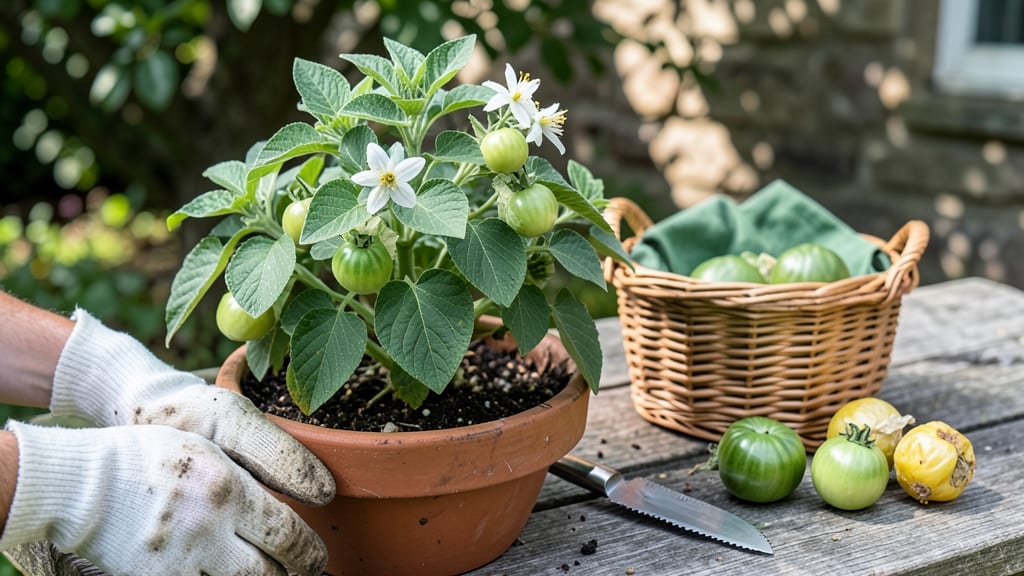
That first tangy bite of perfectly ripe tomatillos in your salsa verde is worth the wait—but how do you know when to harvest them without ending up with bitter, mealy flavors? The answer lies in a few simple color and touch tests that most gardeners overlook.
If you've ever plucked a tomatillo only to discover it's still too firm or too late, you're not alone. The key to success is watching for subtle changes in the husk, color, and texture.
I'll walk you through exactly what to look for so you can harvest at the perfect moment.
From the papery husk that signals readiness to the pale green hue that replaces bright green, these visual and tactile cues make all the difference. Let me show you how to test them like a pro and avoid the most common mistakes that ruin the harvest.
Whether you're growing 🍃 tomatillos in Zone 6a or just starting your garden, mastering these signs will transform your homegrown salsa from good to extraordinary. Ready to learn the secrets?


5 Color and texture tests to harvest tomatillos at peak ripeness
Harvesting tomatillos at the right moment ensures that tangy, slightly sweet flavor you love in salsas and stews. The key lies in combining visual cues with tactile tests—because unlike tomatoes, tomatillos don’t ripen red!
Start by examining the husk, which acts like a natural indicator of ripeness. A dry, papery husk means your tomatillos are ready, while a tight, green husk signals they need more time.
Next, check the color of the fruit itself. Mature tomatillos shift from bright green to a pale green or even yellowish hue. This color change happens gradually, so don’t rush it—harvesting too early leads to bitter, mealy flavors that ruin dishes.
The ideal time is when the husk starts separating naturally from the fruit, making it easy to pluck by hand.
Here’s the secret most gardeners miss: gentle pressure is your best friend. A ripe tomatillo should yield slightly when pressed—like a ripe avocado—but not be mushy. Overripe ones get soft and may even split open, while underripe ones stay rock-hard.
This tactile test is especially useful when color changes are subtle due to shade or cooler weather.
Sunlight plays a surprising role in ripening. Tomatillos grown in full sun ripen faster and develop more intense flavors, but they also need shade to prevent husks from drying out prematurely.
If your plants are in partial shade, they’ll take longer to ripen, so adjust your expectations accordingly. Always harvest on a dry morning to avoid spreading disease through wet husks.
Now, let’s break down the 5 foolproof tests that’ll have you harvesting tomatillos like a pro every season. These methods work for all varieties, from classic green to heirloom purple or yellow types.
Pro tip: Harvest in the morning when temperatures are cooler. This preserves the fruit’s crispness and makes it easier to judge ripeness without the heat of the day affecting your touch test. If you’re unsure, harvest a few extra and let them ripen indoors on a countertop—they’ll continue maturing slowly.
One common mistake is waiting until the husk turns completely brown. By then, the tomatillo inside may be overripe and lose its bright flavor. Instead, focus on the papery texture and color shift—these are your best indicators.
Overripe tomatillos also tend to split open, which can attract pests like fruit flies, so stay vigilant during peak harvest season.
For gardeners in cooler climates, ripening may take longer. If your tomatillos aren’t changing color by late summer, consider harvesting them slightly underripe and letting them ripen indoors.
Place them in a paper bag with a banana or apple to speed up the process—ethylene gas from the fruit will trigger ripening. Just check them daily to avoid overripeness.
Finally, remember that consistency is key. Harvest your tomatillos regularly every 2-3 days once they start ripening. This encourages more production and prevents the plant from dropping fruit prematurely.
With these tests, you’ll never again guess whether your tomatillos are ready—just pick, rinse, and enjoy that perfect tangy flavor in your next dish!
5 Color and texture tests to harvest tomatillos at peak ripeness
Harvesting tomatillos at the right moment ensures that tart, tangy flavor you love in dishes like salsa verde or chiles rellenos. The key lies in combining visual cues with tactile tests—because a tomatillo’s ripeness isn’t just about color.
Start by checking the husk, which should transition from tight and green to papery and dry, almost like crumpled tissue paper. This change signals the fruit inside is maturing.
Next, examine the color shift from bright green to a pale green or yellowish hue. This subtle change indicates the sugars are developing, replacing the harsh, acidic notes of unripe tomatillos.
Sunlight plays a role here—tomatillos grown in partial shade may take longer to ripen than those in morning sun. If your plants are in a hotter climate, ripening can happen faster, so monitor them closely.
Here’s how to test ripeness with your hands: Gently squeeze a tomatillo. A ripe one will feel soft but not mushy, almost like a ripe avocado. If it’s rock-hard, it’s underripe; if it’s squishy or leaking, it’s overripe.
This tactile check is non-negotiable—it’s the best way to avoid the bitter, mealy texture that ruins dishes.
A common mistake is harvesting based solely on size. While ripe tomatillos are typically 1–2 inches wide, size alone isn’t enough. For example, ‘Green Streak’ varieties might stay green longer than ‘Purple Streak’, which can develop a faint lavender tint when ripe.
Always pair size with the other tests to avoid disappointment. Pro tip: Harvest in the morning when temperatures are cooler—this preserves the fruit’s crispness and flavor.
If you’re unsure, harvest a few tomatillos and let them ripen indoors. Place them in a paper bag with a banana or apple to speed up the process (the ethylene gas helps).
Check them daily until they pass the color and firmness tests. This method works wonders for late-season harvests or if a heatwave stalls ripening.
Remember, the goal is to balance tangy tartness with a hint of sweetness. When you nail the harvest, your dishes will sing—no more bland or bitter tomatillos ruining your salsa verde or pork stews. With these tests, you’ll become a tomatillo-harvesting pro in no time! 🌱