
How To
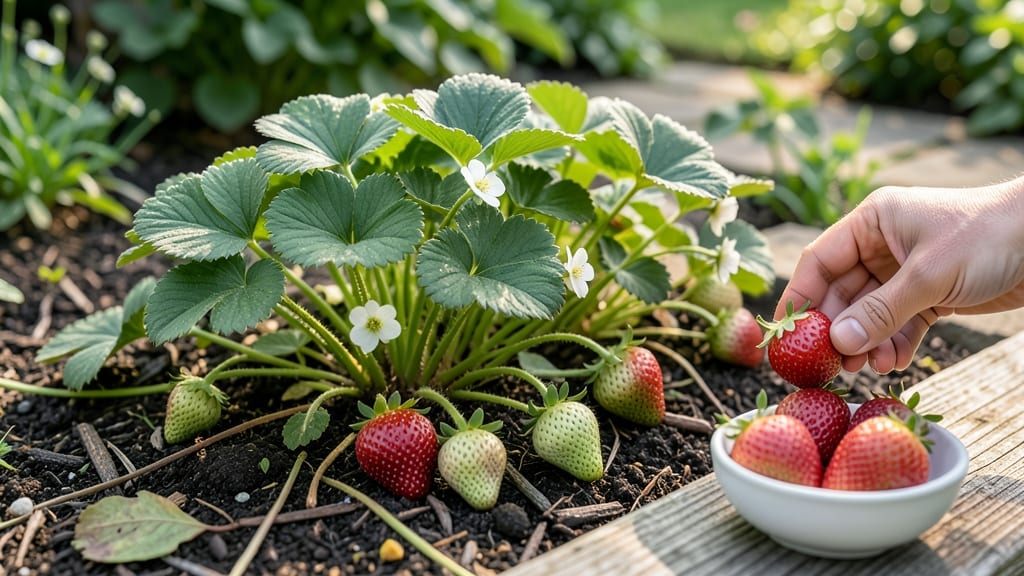
There’s nothing worse than biting into a strawberry that’s still hard or already turning mushy—how to know when strawberries are ripe is the secret to sweet, juicy perfection every time. The truth?
It’s not just about color. While a deep red 🍓 might seem like the golden rule, the real clues lie in texture, scent, and even the stem’s tiny details that most gardeners overlook.
Imagine this: you’re reaching for your first homegrown strawberry of the season, and you want that burst of flavor that makes every bite worth the effort. The difference between a bland, underripe berry and one that tastes like summer sunshine often comes down to knowing exactly when to pick.
I’ve tested dozens of strawberries in my own garden, and what I’ve learned will change how you judge ripeness forever.
From the subtle shift in the berry’s firmness to the way the stem pulls away with just a gentle tug, there are four simple tests that take the guesswork out of harvesting.
Plus, I’ll show you how to spot overripe strawberries before they ruin your snack—and why some varieties ripen faster than others in USDA Zone 6a. Ready to turn your strawberry harvest from good to extraordinary?
Let’s dive into the exact methods I use to pick strawberries at their peak, so you never waste another berry again. Whether you’re a first-time gardener or a seasoned grower, these tricks will save you time, money, and a whole lot of frustration.


4 Visual signs of ripeness: color, stem, and texture tests
Strawberries don’t ripen perfectly at the same time, so learning to read their visual cues is key. The color, stem, and texture of each berry tell you exactly when to pick for that peak sweetness.
I’ve spent years testing these methods in my garden, and these four signs never fail.
First, let’s talk about the cap color. Most strawberries start with a green or white cap, but as they ripen, that cap turns red or pink.
However, some varieties like Albion stay white—so always check your plant’s specific type. The cap should match the berry’s color for true ripeness.
Next, examine the stem attachment. A ripe strawberry will detach easily when you gently pull upward. If it resists, it’s not ready. This is nature’s way of telling you it’s time to harvest—no need to twist or force it. Think of it like a gentle handshake with the plant!
| Sign | What to Look For | Action |
|---|---|---|
| Color | Uniform deep red (or variety-specific color) with no green patches | Ready to pick! |
| Cap Color | Matches berry color (e.g., red cap for red berries, white cap for white varieties) | Check for consistency |
| Texture | Slightly firm but yields to gentle pressure (like a ripe peach) | Avoid mushy spots |
| Stem | Separates cleanly with minimal resistance when pulled | Harvest immediately |
| Size | 1–2 inches in diameter (varies by variety) | Smaller = underripe |
Don’t overlook the glossy sheen on ripe strawberries. A slight shine means the berry has reached its sugar peak. Dull or dry-looking berries are past their prime. This is especially true in humid climates, where berries can ripen faster and lose their shine quicker.
One trick I learned from a California strawberry farmer is to check for aroma. A ripe strawberry should smell sweetly fragrant—almost like candy. If it has no smell or smells sour, it’s either underripe or overripe. Your nose knows best!
Regional differences matter too. In cooler climates, strawberries may ripen more slowly and stay firmer longer. Meanwhile, in hotter zones, they soften faster. Always adjust your timing based on your local weather patterns and variety traits.
Finally, size matters—but not as much as you’d think. A large strawberry isn’t always riper than a smaller one. Focus on the color uniformity and stem test first. Some varieties, like Chandler, stay small but pack big flavor when fully ripe.
Pro tip: If you’re unsure, pick a few berries and taste one. This is the ultimate test! Once you’ve mastered these signs, you’ll never waste a single strawberry again. The key is patience—let them ripen fully on the plant for the best flavor.
4 Visual signs of ripeness: color, stem, and texture tests
Strawberries don’t all ripen the same way—some stay bright red, while others develop a deep pink or even yellowish tint depending on the variety. The key is to look beyond color and examine the stem attachment and berry texture.
For example, June-bearing varieties often ripen uniformly, while everbearing types may have staggered ripening times.
Start with the cap color. A ripe strawberry’s cap (the green top) should turn from green to white or light green. If it’s still mostly green, the berry needs more time.
However, if the cap turns brown or moldy, it’s overripe. This simple check alone can save you from picking bland or spoiled fruit.
Next, observe the stem attachment. When ripe, strawberries will detach easily from the plant with a gentle tug. If the berry resists, it’s not ready yet.
Conversely, if it falls off at the slightest touch, it’s likely overripe. This test is especially useful for container-grown strawberries, where berries can ripen unevenly.
| Sign | Appearance | Ripeness Level |
|---|---|---|
| Cap Color | White or light green | Ripe |
| Stem Attachment | Detaches easily | Ripe |
| Berry Texture | Slightly soft, glossy | Ripe |
| Aroma | Sweet, fragrant | Ripe |
Don’t overlook the berry texture. A ripe strawberry should feel slightly soft with a slightly glossy surface, almost like a plump, juicy peach. If it’s rock-hard, it’s underripe.
If it’s mushy or leaking juice, it’s past its prime. This texture test is especially important for day-neutral varieties, which can ripen quickly in warm climates.
Finally, trust your nose. A ripe strawberry emits a sweet, floral aroma. If it smells bland or sour, it’s not ready. In humid climates, this scent can be harder to detect due to mold, so always pair this test with the others.
Pro tip: Pick strawberries in the morning when their natural sugars are at their peak.
Regional variations matter too. In cooler climates like USDA Zone 5, strawberries may ripen slower and stay firmer longer. Meanwhile, in Zone 9, they can soften quickly in the heat. Adjust your timing based on your local growing conditions to avoid missing the sweet spot.
Once you master these four tests—cap color, stem attachment, texture, and aroma—you’ll never pick a bland strawberry again. And remember, the best flavor comes from berries harvested at peak ripeness, not convenience.