
How To
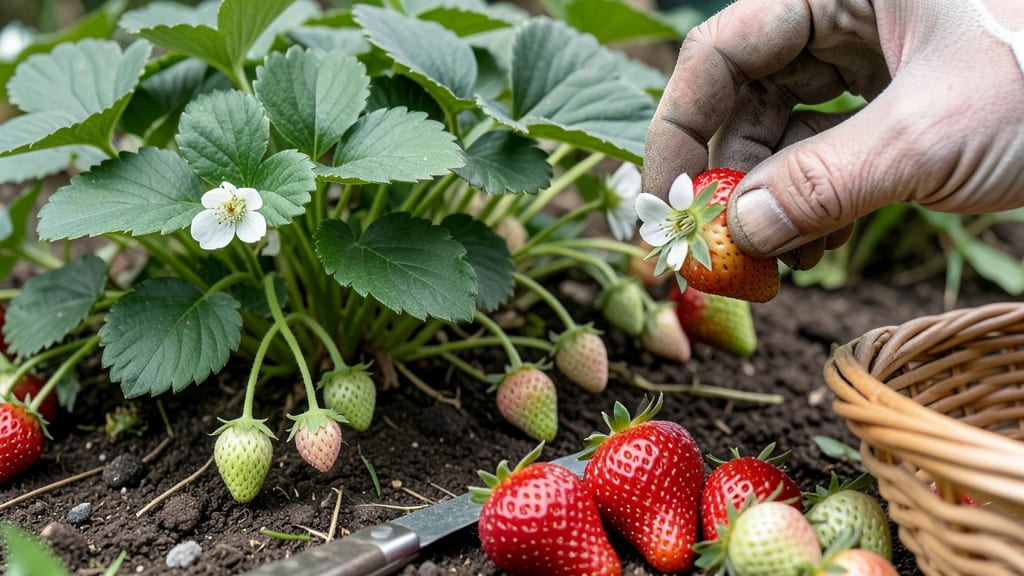
There’s nothing quite like knowing how to know when strawberries are ready to pick—juicy, sweet, and bursting with flavor—but spotting the perfect moment can be trickier than it seems. If you've ever grabbed what looked ripe, only to find it bland or underripe, you're not alone.
The secret lies in understanding the subtle visual cues these berries give you before they even reach your plate.
Most gardeners assume strawberries are ready just because they're red, but that color is only part of the story. The real magic happens when you combine size, texture, and even the way they smell.
I've tested these tricks in my own Zone 6a garden, and they've saved me from countless trips to the patch for berries that weren't quite there yet. Let me show you how to spot those perfectly ripe strawberries every time—no guesswork required.
Timing matters too. Picking at the wrong time of day or missing the seasonal window can mean the difference between a harvest full of flavor and one full of disappointment.
Whether you're dealing with June-bearing varieties or everbearing plants, these insights will help you harvest at peak ripeness—just in time for that first taste of summer.
Ready to transform your strawberry picking from a gamble into a guaranteed success? Let's dive into the five visual clues that will change how you approach your garden this season.


5 Visual clues strawberries show when they’re ready to pick
Strawberries send clear signals when they’re ready to harvest, but many gardeners miss the subtle cues. The key is combining color, texture, and aroma into your decision-making process.
For example, a fully red strawberry isn’t always ripe—some varieties stay firm until the last moment, while others soften days before turning color. Let’s break down the 5 visual clues that guarantee you’re picking at peak ripeness.
First, examine the color of the strawberry. Most varieties, like Chandler or Albion, turn a deep, uniform red when ready. White or yellow varieties, such as Pineberry, will shift to their mature hue.
Look for no green patches—even a tiny speck means the berry needs more time. Pro tip: Hold the strawberry up to the sky; the color should look vibrant, not dull or washed out.
Next, check the size relative to the plant’s typical yield. Strawberries rarely grow larger than 1-2 inches wide unless they’re hybrid varieties like Seascape or Ozark Beauty. If a berry feels disproportionately large for its variety, it might be overripe or struggling to support its weight.
Compare it to nearby berries—ripe ones will be consistently sized within the same cluster.
Now for the texture test: Gently press the strawberry between your thumb and forefinger. A ripe berry should yield slightly—like pressing a ripe peach—but not feel mushy. If it’s rock-hard, it’s underripe; if it squishes easily, it’s overripe.
This is where many gardeners go wrong—they assume firmness means readiness, but strawberries soften after they’re fully colored.
Don’t overlook the aroma, which is the most reliable indicator of sweetness. A ripe strawberry releases a fruity, sweet scent when you bring it close to your nose. If it smells neutral or bland, it’s not ready yet.
Some varieties, like Fragrant Colossus, have an especially strong fragrance when ripe—this is your green light to pick.
Finally, test the attachment to the plant. A ripe strawberry should detach easily with a gentle tug, leaving a small portion of the stem attached. If it resists and requires force, it’s not ready.
Conversely, if it plops off into your hand with no effort, it’s likely overripe and best eaten immediately.
-
1Uniform Color: Fully red/yellow/white (no green), vibrant when held to light
-
2Size Consistency: 1-2 inches wide for most varieties, proportional to plant type
-
3Texture: Slightly yielding when pressed (not hard or mushy)
-
4Aroma: Sweet, fruity scent when sniffed near the berry
-
5Easy Detachment: Pulls away gently with stem intact (no force needed)
Here’s a pro tip for everbearing varieties like Ozark Beauty or Seascape: They produce fruit in multiple flushes throughout the season. Watch for the first small batch to ripen, then mark your calendar—subsequent batches will follow in 7-10 day intervals.
This predictable pattern helps you stay ahead of the ripening game.
For June-bearing varieties (e.g., Chandler or Jewel), timing is even more critical. These plants produce one massive harvest window in late spring/early summer. Miss the peak, and you’ll be left with underripe or overripe berries.
Set a reminder to check your plants every 2-3 days once flowers appear—this is when the race to ripeness begins.
Remember, strawberries continue to ripen off the plant, but only to a point. Once picked, they’ll soften and sweeten for 1-2 days at room temperature. Beyond that, they’ll spoil quickly. So when you see all five clues align, pick immediately—your taste buds will thank you!
5 Visual clues strawberries show when they’re ready to pick
Strawberries don’t ripen evenly, so it’s easy to miss the perfect picking window. The key is watching for these 5 visual cues that signal peak ripeness—because once they’re overripe, they’ll rot faster than you can say "strawberry jam."
Start by examining the color consistency, which is your first big clue.
Most gardeners assume strawberries must be fully red to pick, but that’s not always true. Some varieties like Albion or Pink Panda stay pale pink or white when ripe! Check your plant’s variety description first, then look for uniform color across the berry—no green patches or uneven shading.
Don’t overlook the stem attachment—this is where many gardeners go wrong. A ripe strawberry should pull away cleanly when you gently twist it. If the stem snaps or the berry tears, it’s either underripe or overripe.
Pro tip: Use two hands—one to support the berry, the other to twist the stem.
Morning is the best time to pick because berries are cooler and firmer, reducing bruising. Avoid picking after rain or when the fruit is damp, as this speeds up rot. If you’re unsure, wait 24 hours—the difference between "almost ready" and "perfectly ripe" is dramatic!
Remember, everbearing varieties (like Seascape) produce fruit in multiple flushes, so check your plants every 2-3 days during peak season. June-bearing types (like Chandler) ripen all at once—miss the window, and you’ll be left with a single harvest instead of weeks of fresh berries.