
How To
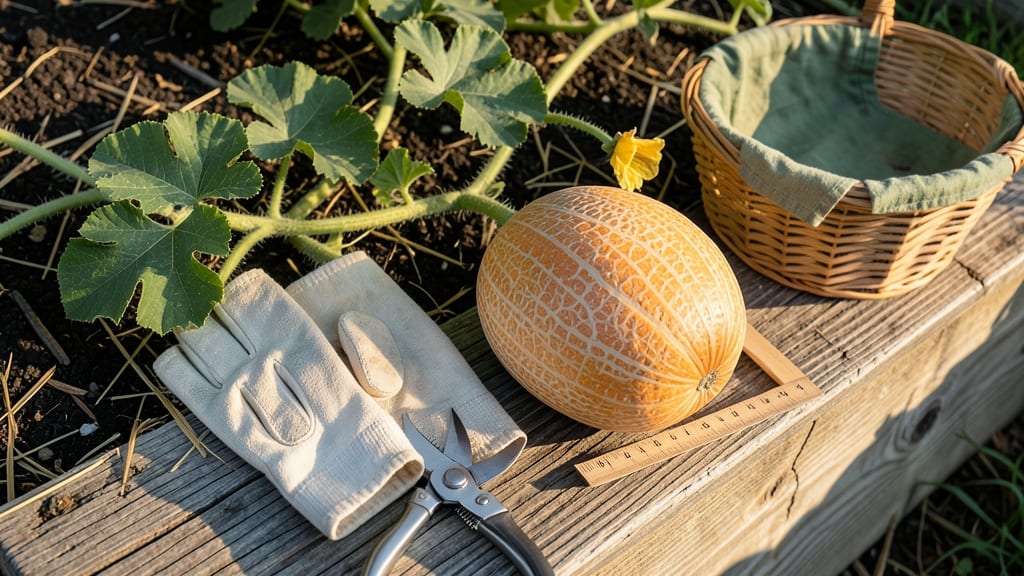
There's nothing worse than biting into a cantaloupe that's either rock-hard or mushy—yet knowing exactly how to know if cantaloupe is ready can turn that disappointment into a sweet victory. The secret lies in three simple sensory checks that reveal peak ripeness before you even pick it up.
Picture this: you're standing in the garden in July, surrounded by 🍈 cantaloupes, wondering which one is perfect. The key isn't just guessing—it's using your eyes, nose, and even your ears to confirm ripeness.
I'll show you how to spot the telltale signs that guarantee that juicy, sweet flavor you crave.
From the creamy blush of the rind to the way it smells and sounds when tapped, these clues work whether you're shopping at the store or harvesting from your own patch. Let's cut through the confusion and get you picking cantaloupes at their absolute best every time.
Once you master these techniques, you'll never second-guess a cantaloupe again. The difference between a mediocre fruit and one that's bursting with flavor comes down to timing—and now you'll know exactly when it's ready to harvest or buy.


3 Visual signs of a ripe cantaloupe you can’t miss
Nothing beats the moment you pluck a perfectly ripe cantaloupe from the vine—juicy, sweet, and bursting with flavor. But how do you know when it's truly ready?
The key lies in three visual cues that reveal peak ripeness. These signs are your garden's secret to avoiding those disappointing, underripe purchases or overripe mush.
The first clue is the vine separation. When a cantaloupe is ready, the stem near the fruit will slip off easily with just a gentle twist.
This happens because the fruit's natural sugars break down the stem's connection. If the stem resists, your cantaloupe still needs time on the vine.
Next, watch for the rind color change. A ripe cantaloupe develops a creamy beige or light tan hue, especially on the side that rested against the ground. The net-like pattern on the rind also becomes more pronounced. If the rind is still green or dull, it's not ready yet.
Here’s how these visual cues compare at different ripeness stages—your quick-reference guide to picking the perfect cantaloupe every time:
| Sign | Underripe | Perfectly Ripe | Overripe |
|---|---|---|---|
| Vine Separation | Stem won't twist off | Stem slips with gentle twist | Stem may already be detached |
| Rind Color | Green or dull | Creamy beige with net pattern | Yellowish or wrinkled |
| Underneath Rind | Greenish or pale | Creamy beige | Yellow or brown |
| Weight | Light for size | Heavy for size | Very heavy or soft |
The underside color is another game-changer. Flip your cantaloupe over to check the area that touched the ground. A ripe cantaloupe will have a creamy beige color here, while an unripe one stays greenish. This is often the most reliable indicator, especially for cantaloupes that don’t develop much rind color.
Pro tip: If you're growing cantaloupes at home, pay attention to the fruit’s weight. A ripe cantaloupe feels surprisingly heavy for its size because it's packed with juice and sugars.
If it feels light, it's not ready yet. This weight check works hand-in-hand with the other visual cues for foolproof results.
Finally, don’t overlook the ground-spotted varieties. These cantaloupes often have a small stem or "tail" that detaches cleanly when ripe. If the tail breaks off easily, you’ve got a winner. For varieties without tails, the stem-slip test is your best bet.
By combining these three visual checks—vine separation, rind color, and underside hue—you’ll never second-guess whether your cantaloupe is ready to eat. Once you master these cues, you’ll be the envy of every gardener at the farmers' market!
Now that you’ve got the visual signs down, let’s explore how to use your nose and ears to confirm ripeness—because sometimes, what you can’t see is just as important as what you can.
The smell and sound test: cantaloupe’s secret ripeness clues
Beyond what you see, your nose and ears hold the secret clues to cantaloupe perfection. A ripe cantaloupe emits a sweet, musky aroma near the stem—think honeyed melon with a hint of floral notes.
If your garden fruit lacks this scent, it’s not ready yet. Even experienced gardeners can be fooled by overripe cantaloupes that smell strong but taste bland.
The thump test is another foolproof method: tap the fruit with your knuckles. A ripe cantaloupe produces a deep, hollow sound, like knocking on a wooden door. If it sounds dull, it’s underripe.
This acoustic trick works because ripe fruit’s internal structure changes, creating air pockets that amplify sound. Try it on store-bought melons for comparison!
Don’t confuse overripe cantaloupes with ripe ones! An overripe melon may smell strong but will be mealy and seedy. Look for a firm yet yielding texture—like a ripe avocado—when gently squeezed near the blossom end.
Temperature plays a sneaky role here. Cantaloupes grown in hotter climates (like USDA Zone 8+) develop their signature scent faster. If your garden is cooler, give the fruit extra days to develop aroma before harvesting. Pro tip: Check scent in the late afternoon when natural sugars peak.
Listen for the vine’s behavior too. When cantaloupes are ready, the stem near the fruit will twist off easily with a slight tug—a sign the vine is signaling harvest time.
This natural separation happens because the fruit’s sugars trigger enzymes that weaken the stem’s grip. Resist the urge to pull too hard, though!
For ground-spotted varieties (like Athena), watch for the tail end to detach cleanly from the vine. This variety’s unique trait makes it even easier to spot ripeness. Combine this visual cue with the scent test for double confirmation of peak ripeness. Your taste buds will thank you!
Remember: One test isn’t enough. Always verify ripeness using all three methods—visual, scent, and sound—to guarantee that sweet, juicy cantaloupe you’ve been dreaming of. The extra few minutes spent testing now will save you from flavor disappointment later. 🍈