
Pests
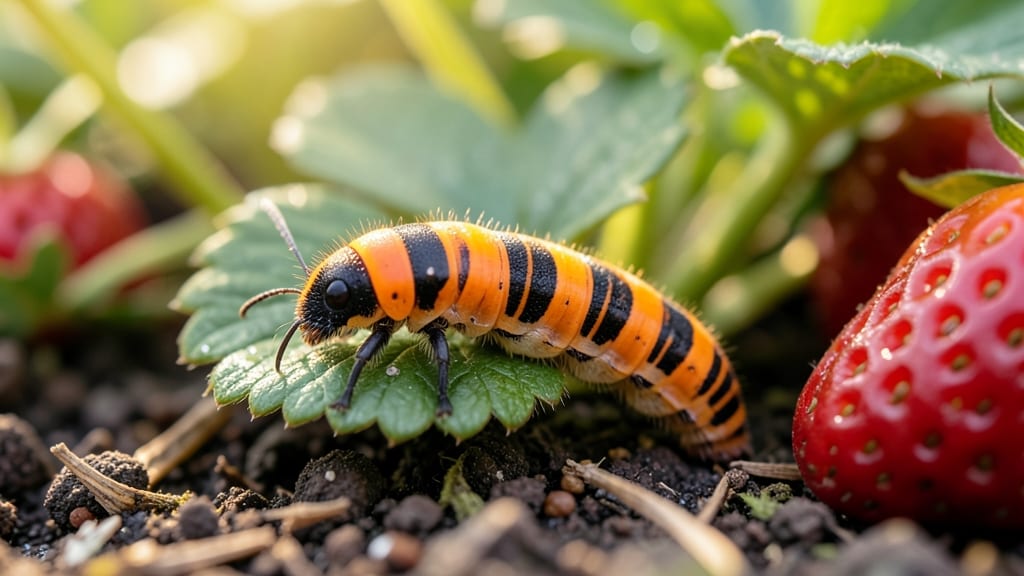
How to keep squirrels away from strawberries—your garden just became their favorite buffet, and those berries vanished overnight. Squirrels treat your garden like an all-you-can-eat buffet, and no amount of yelling works. I learned the hard way—until I discovered this spice-infused barrier that actually repels them without harm. The key is combining physical protection with natural deterrents that squirrels can't ignore.
You'll need hot pepper flakes, garlic powder, and water for the spray, plus lightweight netting or wire mesh to create a layered defense. The spray is simple to mix—just blend the spices with water and let it sit overnight—but the netting is what keeps them from tunneling under.
Most people stop at one method and wonder why it fails. This combo works.
Within 24 hours, you'll see fewer squirrel tracks around your beds, and by harvest time, your berries stay plump and intact. The spray needs reapplying every 7-10 days when it rains, but the netting lasts all season. It’s humane, chemical-free, and actually stops them from digging up your plants.
Works for raised beds, in-ground gardens, or even container strawberries. The best part? Squirrels move on to easier snacks while your harvest thrives. Let’s get those berries protected!
📚 In This Guide
- What you need
- Instructions
- Tips and common mistakes
- Wrapping up and next steps
What you need
- ● Cayenne pepper or red pepper flakes – ½ cup (for a strong, spicy kick)
- ● Black pepper – ¼ cup (adds extra repellent power)
- ● Garlic powder – 2 tbsp (squirrels hate the smell!)
- ○ Diatomaceous earth (food-grade) – 1 cup (optional but effective for extra protection)
- ● Water – 1 gallon (to mix into a sprayable solution)
- ● Spray bottle or garden sprayer – 1 (1-gallon capacity recommended)
- ● Gloves – 1 pair (to avoid skin irritation from spices)
- ● Mask or respirator – 1 (if using diatomaceous earth)
- ● Essential oils (peppermint, cinnamon, or citrus) – 10-15 drops (enhances scent repellence)
- ● Horticultural spray oil – ½ cup (helps bind spices to plants)
- ● Mesh or fabric strips – 2-3 feet (to create a physical barrier over strawberry beds)
- ● Motion-activated sprinkler – 1 (for extra squirrel deterrence)
Step-by-Step instructions for creating a natural spice barrier against squirrels
This method uses common kitchen spices to create a scent-based barrier that squirrels instinctively avoid.
Select Your Spice Blend for Maximum Repellency
Choose a combination of hot peppers, cinnamon, and cloves—these spices create a scent profile that squirrels find overwhelmingly unpleasant. I recommend blending 1 tablespoon cayenne pepper, 2 tablespoons cinnamon, and 1 tablespoon whole cloves for each 10-foot section of barrier. The cayenne provides the sharpest repellent effect, while cinnamon and cloves add complexity that masks competing garden scents.
Crush the cloves slightly with a mortar and pestle or rolling pin to release their oils—this intensifies the aroma. Store your spice blend in an airtight container until ready to use. If you notice the scent fading after a few weeks, refresh by adding a pinch of fresh cayenne. The goal is to maintain a strong, consistent odor that squirrels detect from at least 10 feet away.
Apply the Spice Barrier Along Garden Edges
Sprinkle your spice mixture evenly along the perimeter of your strawberry patch, focusing on areas where squirrels enter or dig. For best results, create a 3-inch wide band of spices around the bed's edge. I like to use a small handheld spreader or simply shake the blend from my hand while walking the perimeter—this ensures even distribution without creating clumps that squirrels might avoid.
Pay special attention to gaps in fencing, low-hanging branches, or pathways squirrels might use to access your plants. The barrier should extend at least 2 feet beyond any existing protective measures. After application, lightly water the area to help the spices settle into the soil and release their scent more effectively. This also prevents the blend from blowing away during windy conditions.
Reinforce the Barrier with Physical Deterrents
While the spice barrier works through scent, adding physical deterrents creates a multi-layered defense. Install chicken wire or hardware cloth around the strawberry bed, burying it 6 inches deep to prevent squirrels from digging underneath. The wire should extend 12 inches above ground level to discourage climbing. I've found that squirrels are less likely to attempt access when they encounter both an unpleasant smell and a physical obstacle.
For additional reinforcement, place motion-activated sprinklers at key entry points. These devices emit a sudden burst of water when triggered, startling squirrels without harming them. Position them so they cover the entire approach path to your strawberries. The combination of spice scent, physical barriers, and motion-activated deterrents creates a comprehensive system that addresses all of a squirrel's senses.
Maintain and Refresh the Barrier Weekly
Check your spice barrier every 5-7 days and reapply if the scent appears faint. Rain or heavy watering can dilute the effectiveness, so refresh after each significant weather event. I keep a small container of the spice blend handy near my garden tools for quick touch-ups. The key is consistency—squirrels rely heavily on scent memory, so any lapse in the barrier's strength gives them an opportunity to investigate.
Rotate your spice blend occasionally to prevent squirrels from becoming accustomed to the scent. After about 3 weeks, switch to a different combination—perhaps black pepper and garlic powder—to maintain effectiveness. Keep records of which blends work best in your specific area, as local squirrel populations may develop preferences or resistances over time. This proactive approach ensures your strawberries remain protected throughout the growing season.
Tips & tricks for creating an effective spice barrier against squirrels
These practical strategies will help you maximize the effectiveness of your natural squirrel deterrent while avoiding common pitfalls.
Ingredient Selection: While the basic blend of cayenne pepper, cinnamon, and cloves works well, consider adding a pinch of black pepper or garlic powder to your mix for enhanced repellency. These additional spices create a more complex scent profile that squirrels find even more off-putting. I've found that squirrels are particularly sensitive to the combination of heat and sharpness—this is why cayenne remains the core ingredient, but the supporting spices amplify the effect. For maximum impact, always use fresh spices; pre-ground spices lose potency quickly.
Application Technique: When creating your 3-inch wide barrier in Step 2, focus on consistency rather than quantity. I've noticed that squirrels are more likely to bypass unevenly applied barriers, so take your time to create a uniform line. For larger gardens, consider dividing the application into sections—this prevents you from rushing and ensures proper coverage. A small handheld spreader works well for precision, but even shaking the blend from your hand while walking the perimeter achieves excellent results when done methodically.
Physical Barrier Integration: The combination of scent and physical deterrents in Step 3 creates a multi-sensory defense that squirrels find overwhelming. When installing chicken wire or hardware cloth, pay special attention to the 12-inch above-ground height—this prevents squirrels from simply jumping over the barrier. I recommend burying the wire 6 inches deep using a spade to create a clean edge that squirrels can't dig under. For extra protection, consider adding a second layer of wire at the base if you've had persistent digging issues in the past.
Maintenance Strategy: The 5-7 day refresh schedule in Step 4 is critical, but timing matters just as much as frequency. I've found that applying the spice barrier just before dawn provides the longest-lasting protection—squirrels are most active at this time, and the fresh scent gives them the strongest deterrent signal. Keep a small container of your blend in a cool, dry place near your garden tools for quick touch-ups. If you notice the scent fading before your scheduled refresh, consider adding a few extra drops of essential oils like peppermint or citrus to your spice mix for an additional boost.
Pro Tips for Keep Squirrels Away From Strawberries
- These practical strategies will help you maximize the effectiveness of your natural squirrel deterrent while avoiding common pitfalls.
- Ingredient Selection: While the basic blend of cayenne pepper, cinnamon, and cloves works well, consider adding a pinch of black pepper or garlic powder to your mix for enhanced repellency.
- Application Technique: When creating your 3-inch wide barrier in Step 2, focus on consistency rather than quantity.
Frequently asked questions
Will spicy barriers harm my strawberry plants?
Nope! The spice-infused barrier (like cayenne pepper or chili powder) is safe for plants but irritates squirrels. Just avoid over-saturating the soil—stick to a light dusting around the perimeter. Your berries will stay untouched, and your plants will thrive!
How long does the spice barrier last before needing reapplication?
Rain or heavy watering can wash it away, so check weekly during wet seasons. A quick reapplication (10–15 minutes) keeps squirrels guessing. For extra staying power, mix spices with a bit of flour or cornstarch to slow dissolution.
Can I use this method for other fruits or veggies?
Squirrels love grapes, blueberries, and even corn. Sprinkle the same spice blend around tomato plants, raspberry bushes, or garden edges. Just avoid herbs like basil—they might wilt from the spices.
What if squirrels keep coming back despite the barrier?
Try a two-pronged approach: double the spice (mix cayenne with black pepper) and add physical deterrents like chicken wire (buried slightly around the base). For stubborn critters, a motion-activated sprinkler can send them packing!
Are there chemical-free alternatives if spices don’t work?
Yes! Try predator urine (fox or coyote, available at garden stores), garlic spray (blend garlic + water, strain, and spray foliage), or reflective tape (scare them with flashes of light). Combine methods for best results!
Wrapping up and next steps
Keeping squirrels away from your strawberries doesn’t have to be a battle—just a clever, spice-infused strategy! By using natural repellents like cayenne pepper, garlic, or predator urine, you’re not only protecting your harvest but also avoiding harsh chemicals. Small tweaks can make a big difference!
Now that you’re armed with these tricks, give it a try this season—your strawberry patch (and your patience) will thank you! 🌱✨ Next up? Share your success or ask questions in the comments—let’s keep the conversation growing!