
Propagation
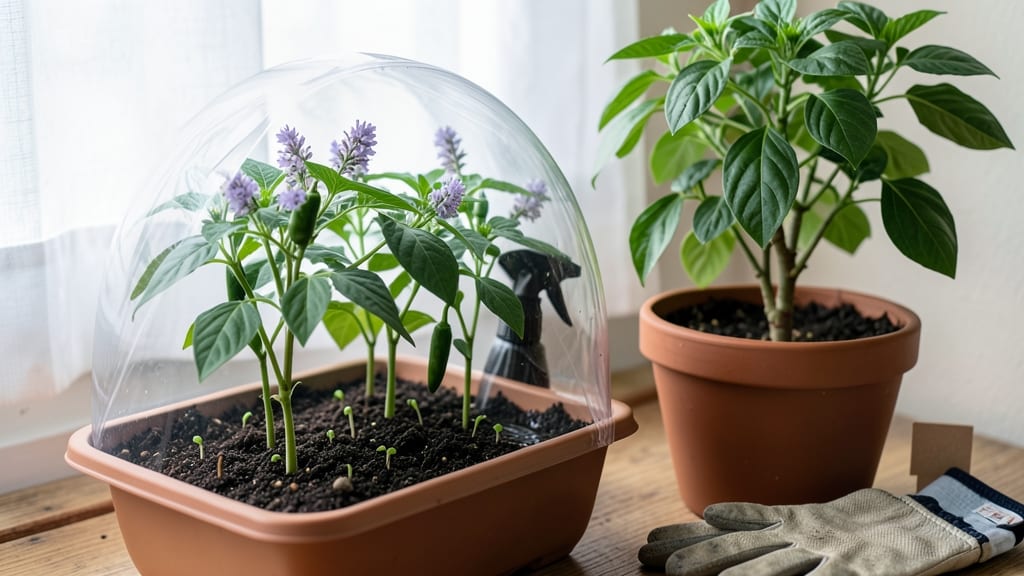
How to grow a black pepper plant from seed unlocks a kitchen garden that smells like a spice market. 🌿 I’ve turned my kitchen into a mini tropical jungle where these vines thrive—no greenhouse required. The secret lies in mimicking their native rainforest home, and once you crack the code, you’ll have fresh peppercorns in 3-4 years (patience pays off with bold flavor).
Start with fresh seeds (dried ones rarely sprout) and a mix of 60% peat-free potting soil and 40% perlite to keep roots airy. Black pepper plants crave warmth—75-85°F consistently—and humidity levels that would make a rainforest jealous.
A humidity dome or plastic wrap over the pot works wonders until those first leaves appear, usually in 4-8 weeks (if you’re lucky).
By year two, you’ll be guiding vines up a trellis or cage, pruning to encourage bushier growth, and watching tiny peppercorns form. The real magic? Snipping leaves for tea or cooking long before the peppers ripen—fragrant, earthy, and impossible to buy fresh.
Even in winter, with a grow light and careful watering, these plants keep producing.
Outdoor gardeners in zones 10-12 can transplant them permanently, but most of us keep them indoors year-round. The key is light, warmth, and patience—no fancy equipment needed. Here’s how to avoid the pitfalls that kill most first attempts.
📚 In This Guide
- What you need
- Instructions
- Tips and common mistakes
- Wrapping up and next steps
What you need
- ● Black pepper seeds: 5–10 fresh, high-quality seeds (look for organic or heirloom varieties for best results).
- ● Seed-starting mix: 2–3 cups of sterile, well-draining potting soil (avoid garden soil—it’s too dense!).
- ● Small pots or seed trays: 2–4 biodegradable pots (3–4 inches wide) or a seed tray with drainage holes.
- ● Plastic wrap or humidity dome: To create a mini greenhouse effect and retain moisture.
- ● Spray bottle: For gentle watering (no harsh streams—pepper seeds hate soggy soil!).
- ● Grow lights or sunny windowsill: A warm, bright spot (70–85°F) with indirect light (south-facing window or LED grow lights, 12–16 hours/day).
- ○ Fertilizer (optional but helpful): A balanced, water-soluble fertilizer (5-5-5 or 10-10-10) for when seedlings sprout.
- ● Support structure (for later): A small trellis, bamboo stakes, or a sturdy string for vining varieties.
- ● Heating mat: Keeps soil warm (75–85°F) for faster germination.
- ● pH test kit: Black pepper thrives in slightly acidic soil (pH 5.5–6.8).
- ● Humidifier or pebble tray: Boosts humidity if your home is dry.
- ● Pruning shears: For trimming as your plant grows.
Step-by-step instructions for growing black pepper plants from seed
Here's how I transform tiny pepper seeds into thriving vines—no greenhouse needed.
🌱 Step 1: Pre-Soak Seeds for Faster Germination
Black pepper seeds have a tough outer shell that slows sprouting. Place them in a small bowl and cover with lukewarm water for 24 hours. This softens the seed coat and speeds germination from 3-4 weeks to 10-14 days. I like to use a mesh strainer so I can easily transfer them later.
After soaking, gently rub the seeds between your fingers to remove any remaining outer layer. This tiny step makes a big difference in how quickly they sprout. Keep them in a warm spot—75-85°F is ideal—until you see tiny white roots forming.
🪴 Step 2: Prepare Containers and Planting Medium
Use 4-inch diameter pots with drainage holes—pepper plants hate soggy roots. Fill each pot with a mix of 50% peat moss and 50% perlite, which mimics their tropical, well-draining native soil. Moisten the mix until it feels like a damp sponge, not dripping wet.
Plant 2-3 seeds per pot, burying them just ½ inch deep. Press lightly to ensure good soil contact. Pepper seeds need warmth and humidity to germinate, so cover the pots with clear plastic wrap or a humidity dome. Place them in a warm, dark spot—like on top of your fridge—until sprouts appear.
☀️ Step 3: Provide Warmth and Humidity for Germination
Keep the soil consistently moist but never soggy during germination. I use a spray bottle to mist the surface daily, avoiding overhead watering which can dislodge seeds. Maintain 75-85°F soil temperature using a seedling heat mat if needed—cold soil delays or prevents germination entirely.
Once sprouts emerge, remove the plastic cover immediately to prevent fungal growth. Place the pots under grow lights or in a bright, indirect light spot for 12-14 hours daily. You'll know they're getting enough light when the seedlings grow 2-3 inches tall with dark green leaves.
🌿 Step 4: Thin Seedlings and Transition to Larger Pots
When seedlings reach 4-6 inches tall with 4-6 true leaves, thin to the strongest plant per pot. Gently tug the weaker seedlings at the base—pepper plants don't transplant well once established. Repot the remaining plant into a 6-inch pot with fresh potting mix.
This is when pepper plants start developing their characteristic vining habit. Train them to climb by providing a small trellis or stake. Prune any leggy growth by pinching back the tips to encourage bushier growth. Keep the soil consistently moist but never waterlogged—pepper plants are tropical but still need good drainage.
⏰ Step 5: Maintain Tropical Conditions for Growth
Black pepper plants thrive in 70-85°F temperatures and 70-80% humidity. If your home is dry, place the pots on a tray of pebbles with water underneath to increase humidity. Rotate the pots weekly so all sides get even light exposure.
Fertilize every 4-6 weeks with a balanced liquid fertilizer diluted to half strength. You'll know your plant is happy when it produces leathery, heart-shaped leaves and begins developing tendrils. Flower buds appear after 12-18 months, but don't rush—patience leads to better yields.
Tips & tricks for growing black pepper plants from seed
Here's what nobody tells you about nurturing these tropical vines from tiny seeds to spice-producing powerhouses.
Seed Prep Secret: After the 24-hour soak, I add a drop of hydrogen peroxide to the water—just a few drops in the bowl. This mild disinfectant helps prevent mold while softening the seed coat. The seeds will still need gentle rubbing between your fingers, but you'll notice fewer funky smells during germination.
Container Upgrade: While 4-inch pots work, I've found that using biodegradable peat pots eliminates transplant shock entirely. Plant your seeds directly in these, then bury the whole pot when moving to larger containers. The roots grow right through the peat, creating minimal disturbance to your pepper plant's delicate system.
Lighting Hack: For the 12-14 hours of daily light, position your grow lights about 6 inches above the seedlings. Use a simple timer to automate this—pepper plants thrive on consistency. If you notice the seedlings stretching toward the light (a condition called etiolating), they need more light intensity or a closer light source.
Humidity Rescue: In dry climates, I place a small humidifier near my pepper plants during the tropical 70-80% humidity phase. Alternatively, create a DIY humidity dome by placing the pot on a tray of pebbles with water, then covering with plastic wrap (with holes for air circulation). This mimics their native rainforest environment without needing a greenhouse.
Pro Tips for Grow Black Pepper Plant From Seed
- Here's what nobody tells you about nurturing these tropical vines from tiny seeds to spice-producing powerhouses.
- Seed Prep Secret: After the 24-hour soak, I add a drop of hydrogen peroxide to the water—just a few drops in the bowl.
- Container Upgrade: While 4-inch pots work, I've found that using biodegradable peat pots eliminates transplant shock entirely.
Frequently asked questions
Got questions about growing black pepper from seed? You’re not alone! Here are some of the most common concerns—and their answers—to help you succeed in cultivating your own spicy treasure.
How long does it take for black pepper seeds to germinate?
Black pepper seeds can take anywhere from 2 to 4 weeks to germinate, depending on temperature and moisture. Keep the soil consistently warm (around 70–80°F) and damp (but not soggy) to speed up the process. Patience is key—don’t give up if you don’t see sprouts right away!
When will my black pepper plant start producing peppercorns?
With proper care, your black pepper plant may take 3 to 5 years to mature and produce peppercorns. Female plants (which bear fruit) are essential—look for tiny white flowers that develop into green peppercorns. Prune regularly to encourage bushier growth and more abundant harvests!
Can I grow black pepper indoors or do I need a greenhouse?
Yes! Black pepper plants thrive indoors with bright, indirect light (like a south-facing window) and high humidity (60–80%). A greenhouse or humidifier helps, but a sunny kitchen or bathroom with a spray bottle can work too. Just avoid drafts—these tropical plants hate cold air!
What should I do if my black pepper plant’s leaves turn yellow?
Yellow leaves usually signal overwatering or nutrient deficiency. Let the top inch of soil dry out between waterings, and fertilize every 2–3 months with a balanced, organic fertilizer. Check for pests like spider mites too—wipe leaves with neem oil if needed!
Do I need both male and female black pepper plants to get peppercorns?
Nope! Only female plants produce peppercorns, and they don’t need males for pollination. Look for plants with tiny white flowers—these are your fruit-bearing stars. If you’re unsure, start with 3–5 seeds to increase your odds of getting a female plant.
Wrapping up and next steps
Growing black pepper from seed is a rewarding journey that brings a taste of the tropics to your home!
With patience, the right conditions, and a little care, you’ll soon enjoy fresh, aromatic peppers straight from your kitchen garden. Now that you’re ready to plant, why not share your progress or tips with fellow gardening enthusiasts? 🌱✨
- Next step: Start with a single seed and watch your tropical spice garden flourish!
- Bonus: Tag us in your pepper-growing adventures—we’d love to see your green thumbs in action!