
Pests
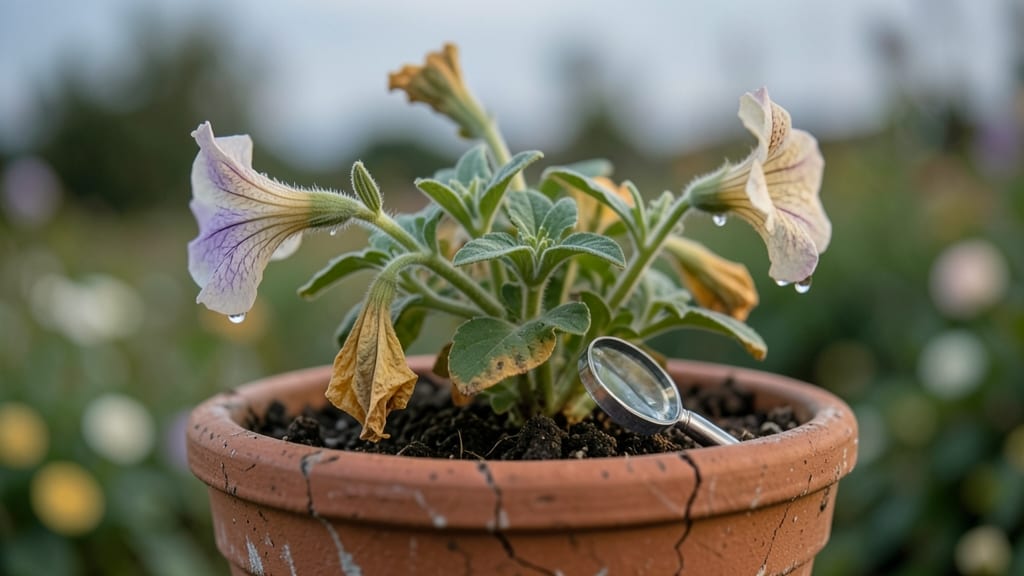
Petunias bring vibrant color to gardens but struggle with common care mistakes. These 10 proven strategies will help your petunias thrive, bloom abundantly, and survive through seasons with minimal effort.
Optimal Sunlight Exposure for Petunia Growth
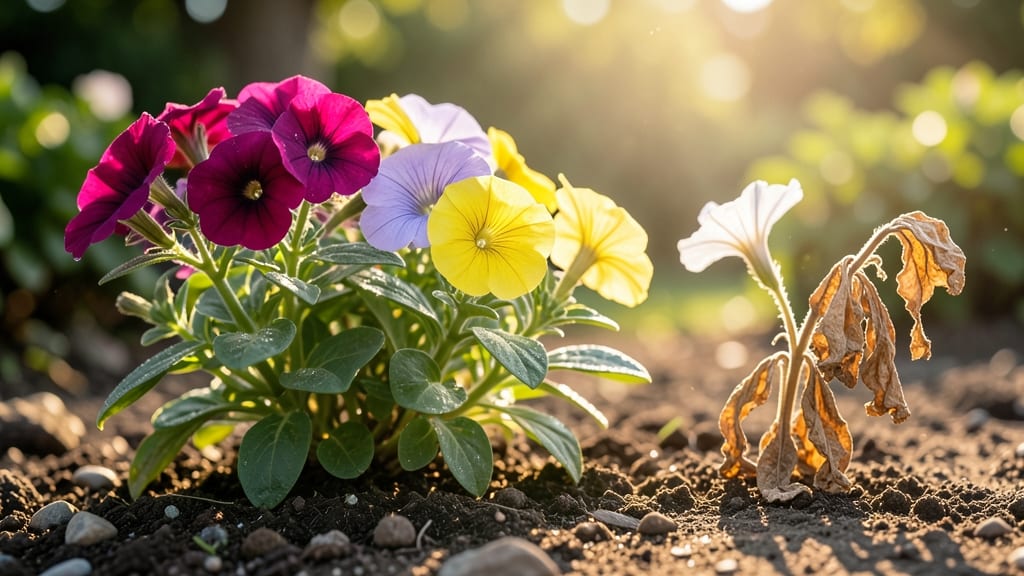
Petunias may love the sun, but too much of it can turn their vibrant blooms into crispy leaves—finding the perfect sunlight balance is key to keeping them thriving. Unlike drought-tolerant succulents, petunias need 6-8 hours of direct sunlight daily to produce their showstopping flowers, but afternoon heat in zones 8-10 can scorch delicate foliage.
Start by placing petunias in morning sun with afternoon shade if your climate gets intense afternoon rays. In cooler zones (3-7), full sun is ideal, but use lightweight shade cloth (30-50%) during peak summer heat to protect leaves without blocking light. Watch for yellowing leaves or brown edges—these are signs of sunburn, not drought.
Container gardeners can easily adjust sunlight exposure by moving pots closer to shade during heatwaves. This simple tweak ensures petunias stay lush and blooming all season. 🌻
Well-Draining Soil Mix for Petunias
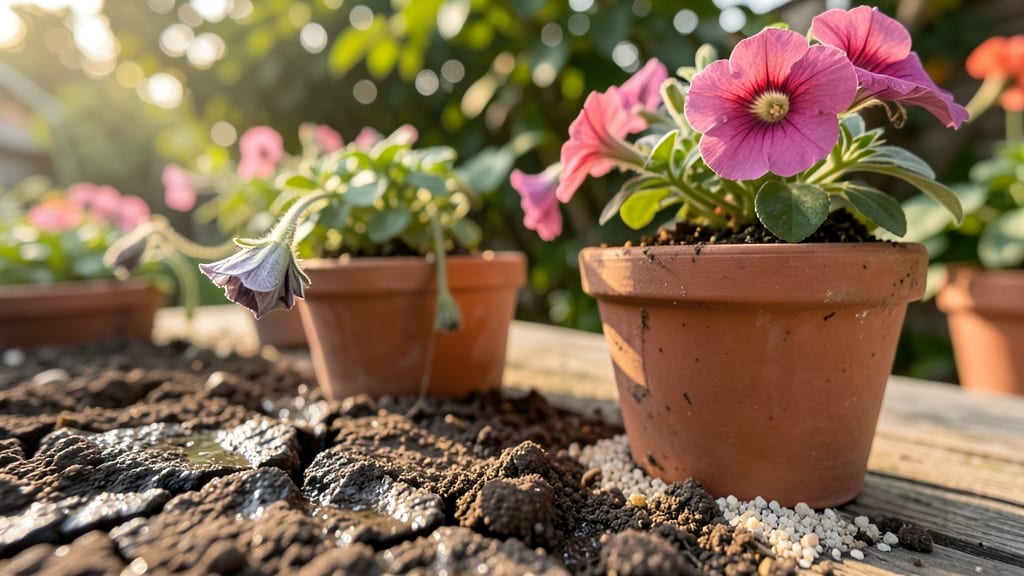
Petunias wilt faster than they bloom when planted in heavy, compacted soil—but the fix is simpler than you think. A well-draining soil mix prevents root rot while keeping moisture where petunias need it most, ensuring vibrant blooms all season long.
Start with a base of high-quality potting soil (or garden soil amended with compost) and blend in perlite or coarse sand (20-30%) for aeration. For containers, add orchid bark or vermiculite to improve drainage further. This mix mimics petunias' natural preference for moist but never soggy conditions, whether in beds or pots.
Urban gardeners and beginners will love this low-maintenance approach—just avoid clay-heavy soils that trap excess water. Your petunias will reward you with longer blooming seasons and fewer wilting surprises. 🌿
Proper Watering Schedule to Avoid Wilting
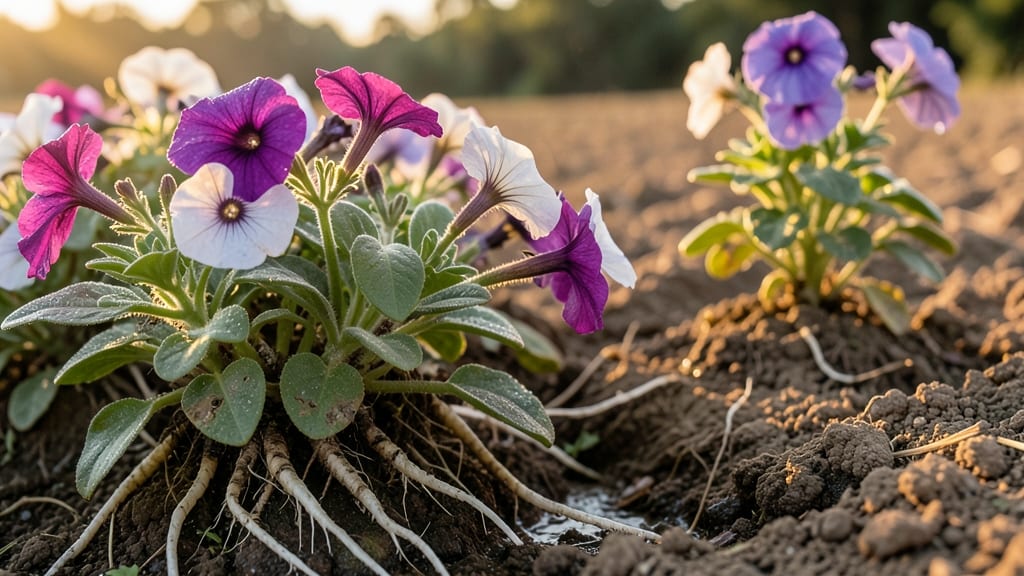
Petunias wilt faster from overwatering than from drought—yet most gardeners drown them without realizing it. The key isn’t just how much you water, but when and how you do it to keep roots happy without inviting fungal diseases.
Water early in the morning (before 10 AM) to let foliage dry before evening, reducing mildew risk. Aim for 1 inch of water per week, delivered deeply at the soil line—not overhead—to encourage strong root growth. Check moisture by sticking your finger 1-2 inches deep; if dry, water again. Mulch with 2-3 inches of straw to lock in moisture and prevent evaporation.
This schedule works for both container petunias (water daily in summer) and in-ground plants (every 2-3 days). Beginners and urban gardeners will love this foolproof method—no more guesswork, just thriving plants. 💚
Fertilizer Types for Continuous Blooming
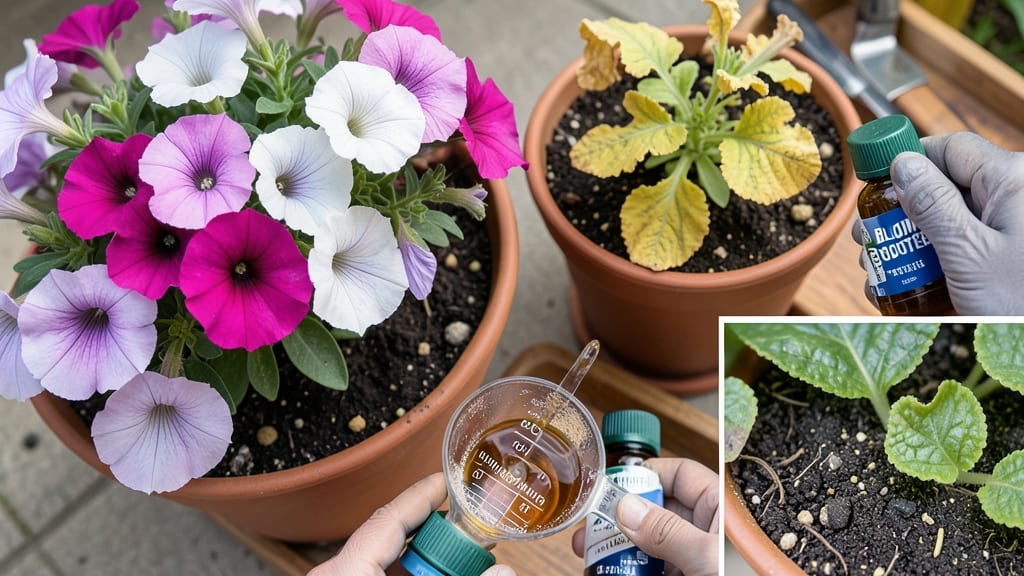
Petunias thrive on consistent feeding, but the wrong fertilizer can turn their leaves yellow or crispy. The key is matching the right fertilizer type to your petunias' growth stage—whether they're just sprouting or bursting with blooms.
For new plants, use a balanced liquid fertilizer (like 10-10-10) every 2 weeks to encourage root and leaf growth. Once blooming begins, switch to a high-phosphorus formula (5-10-5) or slow-release granules to fuel flowers without leaf burn. Avoid overdoing nitrogen-heavy fertilizers—petunias prioritize blooms over foliage, and too much nitrogen results in lush leaves but few flowers.
Container gardeners benefit most from time-release pellets mixed into soil, while in-ground petunias respond well to liquid feeds applied at dawn. This two-phase approach ensures your petunias stay vibrant all season. 🌻
Deadheading Petunias for Longer Flower Life
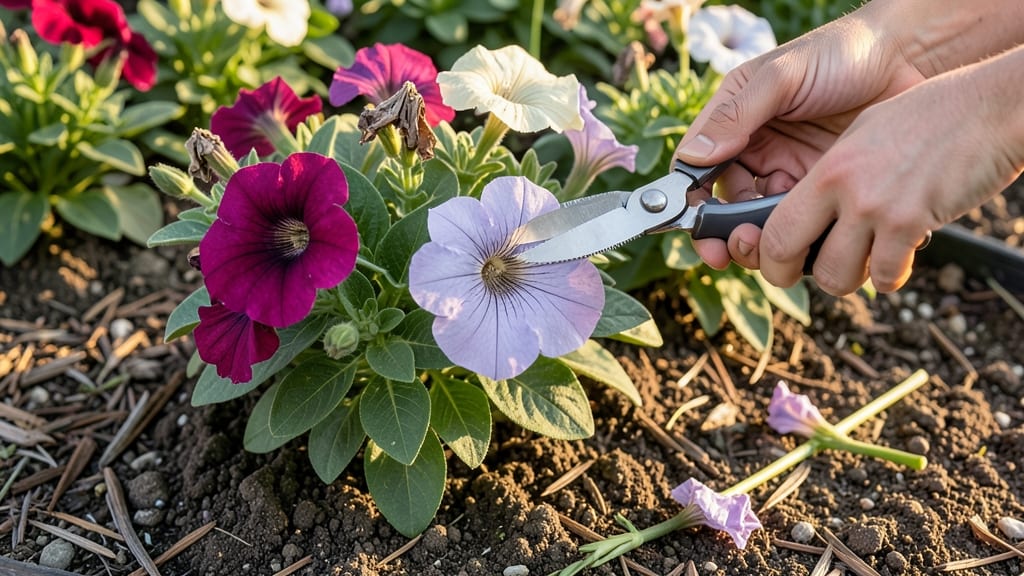
Your petunias could be blooming twice as long if you master this one overlooked trick—deadheading. Simply snipping off faded flowers redirects the plant’s energy from seed production to creating fresh blooms, keeping your garden vibrant for weeks longer.
Use clean pruners or pinch off spent blooms just above a leaf node, being careful not to damage new buds. Focus on morning deadheading when blooms are dry to prevent fungal issues. This method works for all petunia varieties, from trailing types to bush forms, and takes just minutes per plant. The result? A continuous display of color instead of a few scattered blooms.
This low-effort technique is perfect for busy gardeners or beginners—it requires no special tools and delivers dramatic results. Give it a try, and you’ll enjoy longer-lasting petunia blooms with minimal extra work. 🌻
Pest Control for Petunias Without Chemicals
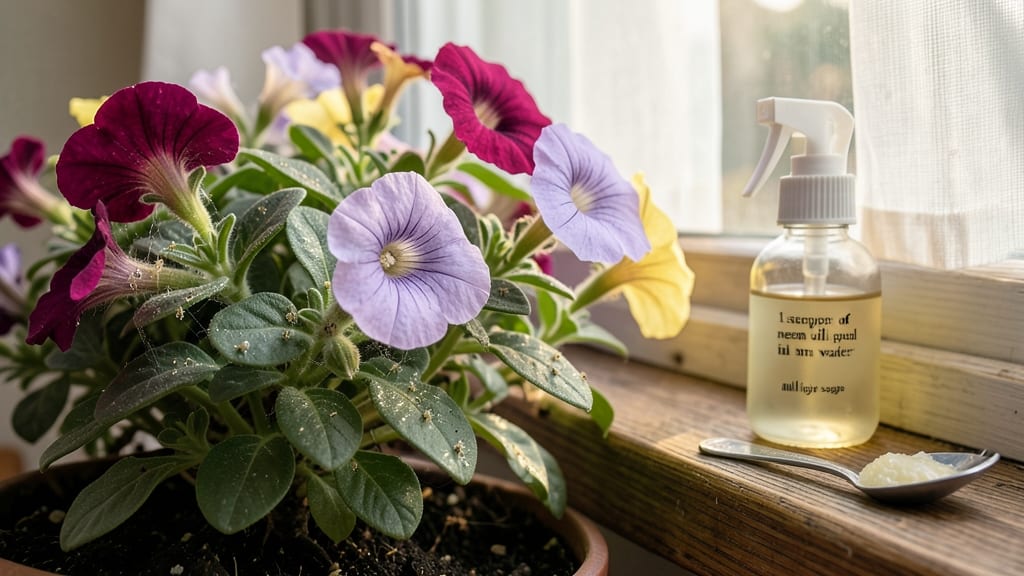
If your petunias are suddenly covered in tiny pests or sticky residue, don’t reach for harsh chemicals—aphids and spider mites thrive on these tender flowers, but you can banish them naturally without harming your plants or pollinators.
Start with a DIY neem oil spray (1 tsp neem oil + 1 tsp mild soap per quart of water), which disrupts pests’ life cycles and deters future infestations. For immediate relief, blast aphids off leaves with a strong stream of water from your hose. Plant marigolds or basil nearby—their strong scents repel pests while adding beauty to your garden.
This method is perfect for urban gardeners, beginners, and eco-conscious growers who want vibrant petunias without toxic residues. A little prevention keeps your blooms thriving. 🌿
Winterizing Petunias for Year-Round Survival
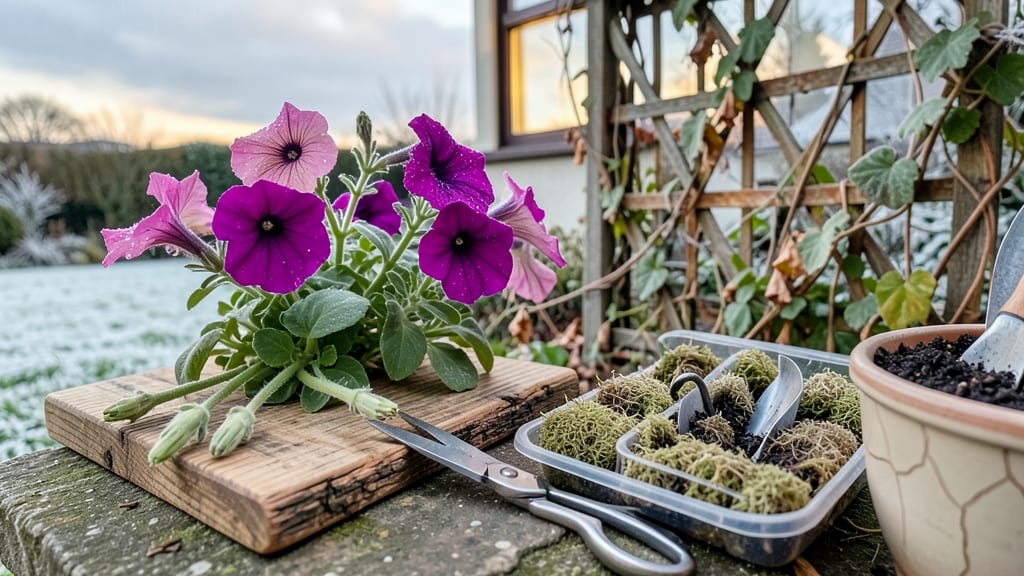
Think petunias are one-and-done annuals? Tender varieties like 'Wave' or 'Supertunia' can survive winter with the right moves—no greenhouse required. Most gardeners pull them out when frost hits, but with simple overwintering tricks, you can bring them back stronger next spring.
Start by taking 4-6 inch cuttings in late summer before the first frost. Dip the stems in rooting hormone and place them in water or moist perlite until roots form (about 2-3 weeks). Move potted petunias indoors to a cool, bright spot (50-60°F) and reduce watering—just enough to keep soil lightly moist. For container gardeners, wrap pots in bubble wrap to insulate roots during cold snaps.
This method works best for urban gardeners with limited space or anyone who loves their petunias' bold blooms. With a little winter care, you'll enjoy year-round color and skip the annual replanting hassle. 💚
Best Companion Plants for Petunia Health
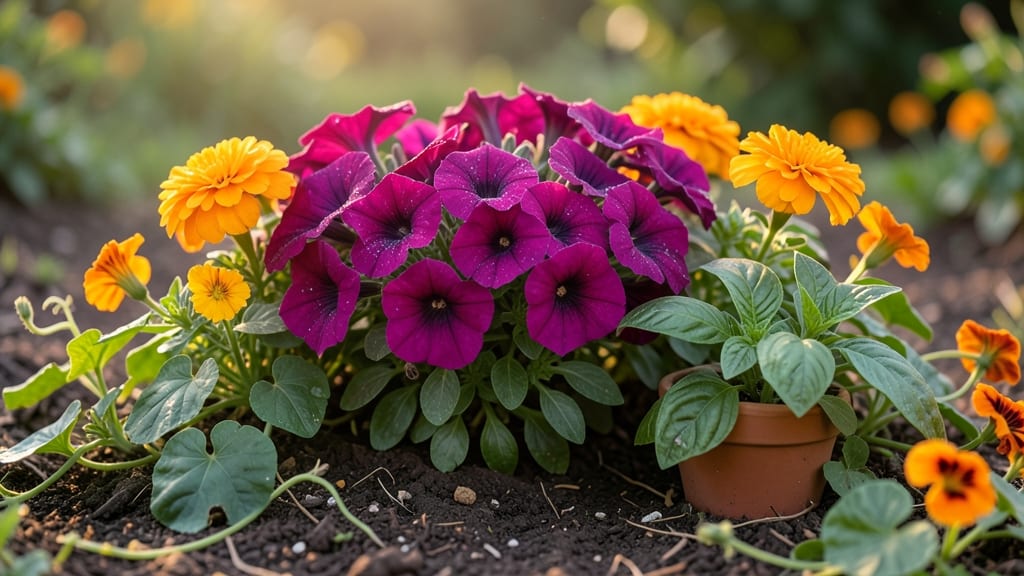
Struggling to keep your petunias thriving? The right companion plants can work like a natural shield, boosting growth and repelling pests without chemicals. Instead of competing for nutrients, marigolds and nasturtiums deter aphids and spider mites, while basil improves flavor and deters flies—all while enhancing your petunia’s vibrant display.
Plant marigolds at the base of petunias to confuse pests with their strong scent, or tuck basil nearby to deter mosquitoes and improve air circulation. Nasturtiums act as a living mulch, suppressing weeds while adding edible blooms to your garden. These trio of companions create a low-maintenance ecosystem that keeps petunias lush and pest-free all season.
Urban gardeners and small-space growers will love this trick—just a few companion plants can transform struggling petunias into a thriving, colorful centerpiece. 🌿
Container Gardening Tips for Petunias
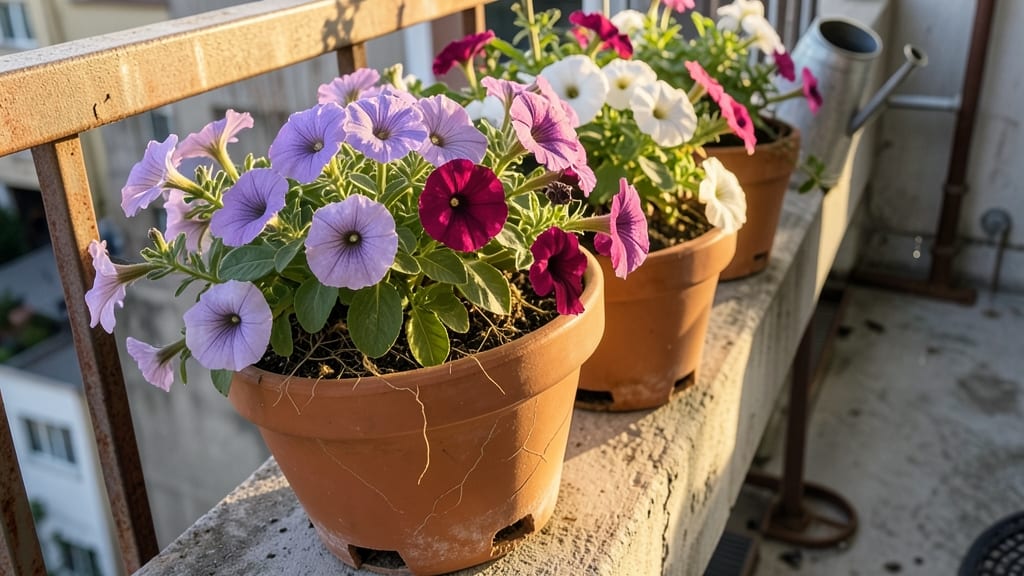
Balcony gardens and urban patios thrive with petunias, but their container-bound roots dry out at lightning speed—especially in hot afternoons. The key to keeping them blooming lies in choosing the right container setup, not just watering more often.
Start with pots that have drainage holes (at least 3-4 per container) and are 50% larger in volume than the plant’s root ball. For example, a 6-inch petunia needs a 10-12 inch pot to prevent roots from circling. Top with 1-2 inches of mulch (like pine bark fines) to slow moisture loss, and water early in the morning when evaporation rates are lowest. Terracotta pots help—their porous material wicks away excess moisture, while self-watering containers work best for forgetful gardeners.
Urban gardeners with limited space will love this hack: group petunias in larger shared containers (like half whiskey barrels) to create a microclimate that retains moisture longer. This simple setup keeps your petunias thriving all season with minimal fuss. 💚
Reviving Stressed or Dying Petunias

Don’t toss those drooping petunias—stressed plants can bounce back with the right diagnosis and care. Yellowing leaves, stunted growth, or wilted stems often signal overwatering, pests, or nutrient shortages, not a death sentence. Start by checking the soil: if it’s soggy, let it dry out completely before watering again.
For pest issues, inspect leaves for aphids or spider mites (common culprits) and blast them off with a strong spray of water. A balanced liquid fertilizer (like 10-10-10) can revive nutrient-deficient plants, while pruning back dead foliage improves airflow. If roots look mushy from overwatering, repot in fresh, well-draining mix to prevent rot.
This targeted approach works for beginners and seasoned gardeners alike—just match the symptom to the fix. With a little TLC, your petunias will be blooming beautifully again in no time. 🌱