
Blooming
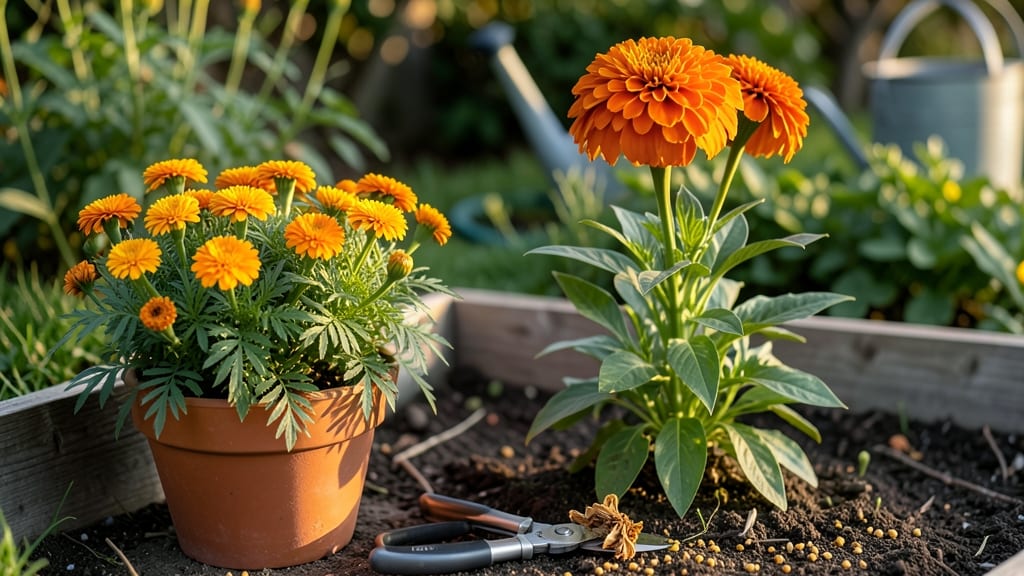
How to keep marigolds blooming nonstop is easier than you think—these three tricks will turn sporadic blooms into months of vibrant color. 🌻 I’ve watched them go from occasional flowers to relentless color for months, and here’s how you can make it happen in your garden too, no matter the season. The secret isn’t complicated: consistent watering, strategic pruning, and light feeding at the right times. Most gardeners overwater or underfeed, which triggers that dreaded bloom drought. My plants stay lush and productive because I treat them like the sun-worshippers they are—dry feet, sharp snips, and just enough nutrients to keep them happy. By summer’s end, you’ll have pots overflowing with blooms that last until frost. The flowers stay vibrant, the stems stay strong, and you’ll be the neighbor everyone asks for cuttings. Even in heatwaves, these tricks keep them thriving. Works for French, African, and signet marigolds alike. Let’s get those blooms going strong!
📚 In This Guide
- What you need
- Instructions
- Tips and common mistakes
- Wrapping up and next steps
What you need
- ● Marigold plants: Choose disease-resistant varieties like French Marigold (e.g., 'Bonanza' or 'Jolly Tall') or African Marigold (e.g., 'Crackerjack' or 'Tangerine'). Start with 3–5 healthy plants per 10 sq ft for optimal blooms.
- ● Well-draining potting mix: A blend of 60% garden soil, 30% compost, and 10% perlite or sand (1 bag per 4–5 plants). Avoid heavy clay soil!
- ● Balanced fertilizer: A 10-10-10 or 20-20-20 NPK fertilizer (1 tbsp per plant, applied every 4–6 weeks during growing season).
- ● Slow-release fertilizer: Osmocote or similar (1 cup per plant at planting time for a 3–4 month nutrient boost).
- ● Pruning shears: Bypass pruners (sharp and clean to avoid disease).
- ● Watering can or hose with a gentle nozzle: Marigolds need 1–1.5 inches of water per week (adjust for heat/drought).
- ● Mulch: Straw or shredded bark (2–3 inches thick) to retain moisture and regulate soil temp.
- ○ Support stakes (optional but helpful): 6-inch bamboo stakes or tomato cages for taller varieties (e.g., 'Jumbo' or 'Tangerine Gem').
- ● Epsom salt: 1 tbsp dissolved in 1 gallon of water (spray foliage monthly for magnesium boost).
- ● Fish emulsion or compost tea: For a natural nutrient kick (use every 6–8 weeks).
- ● Shade cloth (30–50% coverage): Protect from intense afternoon sun in hot climates (e.g., desert regions).
- ● Grow lights (for indoor/container gardening):strong> LED full-spectrum bulbs (12–16 hours/day in winter).
- ● Pest control: Neem oil spray or insecticidal soap (for aphids, spider mites, or whiteflies).
Step-by-Step instructions for year-round marigold bloom maintenance
Marigolds reward consistent care with nonstop color. Here’s how to keep them flowering like clockwork.
🌿 Step 1: Master Deadheading for Continuous Blooms
Pinch off spent blooms the moment they fade—this redirects the plant’s energy from seed production to new flowers. I use clean fingernails or small pruners to snip stems just above the next set of leaves, avoiding any yellowing foliage. The key is consistency: check plants every 2-3 days during peak bloom season.
Watch for buds forming at the base of the plant—these are your next blooms. If you see leaves turning yellow or stems becoming woody, you’ve waited too long. Deadheading isn’t just about looks; it prevents the plant from going dormant early and keeps it producing flowers for 3-4 months longer than neglected plants.
☀️ Step 2: Optimize Sunlight and Watering for Peak Performance
Marigolds thrive in full sun (6+ hours daily), but too much afternoon heat can stress them. If your climate hits 90°F+, provide afternoon shade to prevent wilting. Water deeply once weekly (or twice in extreme heat), soaking the soil until water runs out the drainage holes. Let the top 1-2 inches of soil dry between waterings—overwatering causes root rot and stunted blooms.
I always water in the morning so foliage dries quickly, reducing fungal risks. You’ll know your watering is right when new buds form within 5-7 days of consistent care. If buds drop before opening, you’re either underwatering or overwatering.
💧 Step 3: Fertilize Strategically for Nonstop Blooms
Feed marigolds with a balanced, water-soluble fertilizer (10-10-10) every 3-4 weeks during the growing season. Dilute to half-strength to avoid burning roots—too much nitrogen produces lush leaves but few flowers. I mix the fertilizer into water and apply it directly to the soil, avoiding foliage.
Stop fertilizing in late summer to let plants harden off for winter. If you’re growing marigolds in containers, switch to a low-phosphorus formula (5-10-10) to prevent salt buildup. You’ll see the difference in 10-14 days: plants will have vibrant green leaves and a steady stream of new buds.
✂️ Step 4: Prune and Revitalize Mid-Season for Longevity
When plants look leggy or overgrown, give them a mid-season trim. Cut back one-third of the plant’s height just above a leaf node, encouraging bushier growth. This isn’t just about aesthetics—it rejuvenates the plant, preventing it from becoming woody and stopping blooms.
After pruning, water deeply and resume fertilizing. You’ll notice new growth within 7-10 days, and fresh blooms will follow. If your marigolds are past their prime, don’t hesitate to replace them—new plants bloom faster and brighter than exhausted ones.
⏰ Step 5: Extend the Season with Seasonal Adjustments
For year-round blooms, adjust care as seasons change. In fall, reduce watering slightly and stop fertilizing after the first frost. In winter, move potted marigolds to a sheltered spot or indoors near a sunny window. If growing in the ground, mulch heavily to protect roots from freezing.
Spring is the time to revive dormant plants. Prune back any dead growth, fertilize lightly, and watch for new shoots within 2-3 weeks. With this approach, marigolds can keep blooming for 10+ months with minimal effort.
Tips & tricks for year-round marigold blooms
Here's what nobody tells you about keeping marigolds in peak bloom—these tricks have saved my garden from seasonal disappointments.
Precision Deadheading: In Step 1, when you spot that first wilting petal, act immediately—within those 24 hours is critical. I've learned this the hard way after watching perfectly healthy plants suddenly stop blooming because I waited too long. Use clean pruners and always cut just above the leaf node, never at the base. This small detail prevents disease and tells the plant exactly where to focus its energy for new buds.
Sunlight Strategy: That 6-8 hours of direct sunlight in Step 2 isn't negotiable, but here's what I do when my garden gets partial shade: position plants where they catch morning sun plus afternoon light, avoiding harsh midday glare. For indoor grow lights, I use a timer for those 14 hours/day to simulate natural daylight cycles—this consistency makes all the difference during shorter days.
Watering Wisdom: The 1-1.5 gallons weekly guideline in Step 3 works perfectly when you check soil moisture properly. I use my finger to test 1-2 inches down—if it feels dry, water thoroughly at the base. The key is morning watering to prevent fungal issues, but I've found that adding 2 inches of mulch extends bloom time by 2-3 weeks by keeping roots consistently hydrated without stress.
Pruning Payoff: When you trim leggy stems by one-third in Step 4, you're not just cleaning up—you're redirecting the plant's growth energy. I make these cuts just above a leaf node where new growth emerges, and within weeks, you'll see bushier plants with more abundant flowers. The same principle applies when pinching back young plants at 6 inches tall—this simple finger pinch prevents that single-stem look and encourages that lush, flowering habit we all want.
Pro Tips for Keep Marigolds Blooming
- Here's what nobody tells you about keeping marigolds in peak bloom—these tricks have saved my garden from seasonal disappointments.
- Precision Deadheading: In Step 1, when you spot that first wilting petal, act immediately—within those 24 hours is critical.
- For indoor grow lights, I use a timer for those 14 hours/day to simulate natural daylight cycles—this consistency makes all the difference during shorter days.
Frequently asked questions
Got questions about keeping your marigolds in full bloom?
You’re not alone! Here are answers to the most common concerns—so you can enjoy vibrant flowers all season long.
Why do my marigolds stop blooming even with deadheading?
Even with deadheading, marigolds may slow down blooming due to nutrient depletion, overcrowding, or poor light. Boost blooms by fertilizing with a balanced, low-nitrogen formula (like 10-10-10) every 4–6 weeks and ensuring they get 6+ hours of sunlight daily. If roots are bound, gently loosen soil or repot.
How often should I fertilize marigolds for continuous blooms?
Feed marigolds every 4–6 weeks during the growing season (spring to fall) with a phosphorus-rich fertilizer (e.g., 5-10-5) to encourage flowers. Skip fertilizer in winter unless growing indoors. Pro tip: Use fish emulsion or compost tea for organic options—marigolds love it!
Can marigolds bloom year-round, or do they need a dormant period?
Outdoor marigolds do need a rest in winter (they’re annuals in cold climates). For year-round blooms, grow them as potted plants indoors with 12+ hours of light (use grow lights if needed) and maintain temps above 50°F (10°C). Reduce watering in winter to prevent root rot.
My marigolds have fewer blooms and lots of leaves—what’s wrong?
This is often a sign of too much nitrogen, which fuels foliage over flowers. Switch to a bloom-boosting fertilizer (high in phosphorus, like 7-9-5) and prune leggy stems to redirect energy. Also check for pests like aphids—they sap plant strength. Spray with neem oil if needed!
Are there marigold varieties that bloom nonstop without much effort?
Yes! French marigolds (like ‘Bonanza’ or ‘Jolly Tall’) and ‘Tangerine Gem’ are heavy bloomers with minimal fuss. For longest blooming, try ‘Crackerjack’ or ‘Gold Rush’—they thrive in heat and produce flowers continuously if deadheaded regularly.
Bonus Tip:
Struggling with blooms? Try a “bloom flush”: Reduce water slightly for 1–2 weeks, then resume normal care. This mimics stress and can trigger more flowers in 2–3 weeks!
Wrapping up and next steps
Keeping your marigolds in full, vibrant bloom is all about consistent care—whether it’s pruning for growth, feeding for nutrition, or protecting them from pests. With these three proven tricks, you’ll enjoy year-round color and even attract more pollinators to your garden! 🌼
Ready to put your new skills into action? Start today by picking one trick to implement—like deadheading spent blooms or adding compost—and watch your marigolds thrive. Happy gardening! 🌱