
Pests
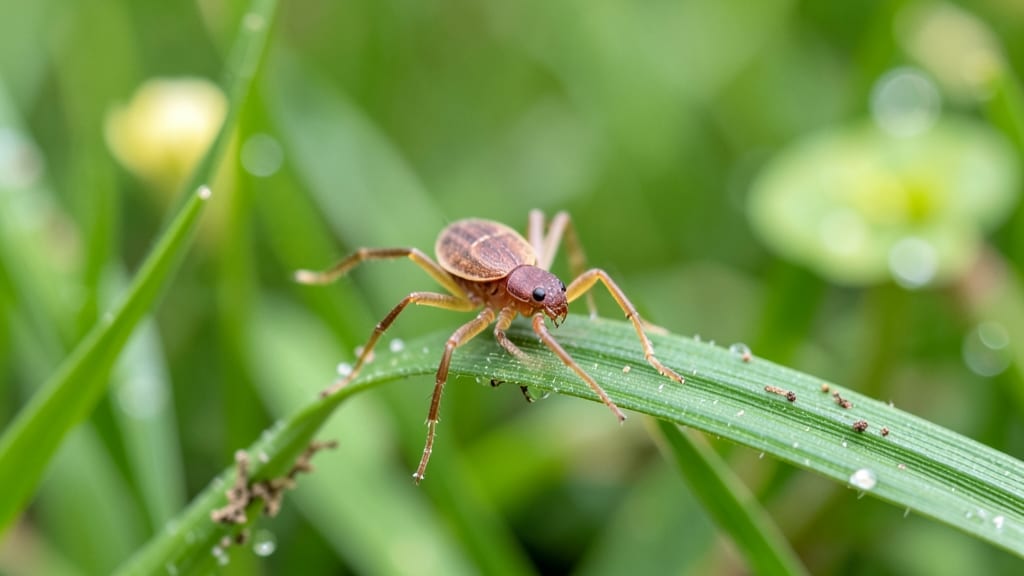
Those tiny red specks crawling across your lawn aren’t just annoying—they’re clover mites, and how to keep clover mites away is all about starving them out before they take over. 🌱 I’ve battled them in my yard for years, and the solution that finally worked?
A simple, foolproof barrier that starves them out before they multiply. The key is understanding why they attack: they’re drawn to lush, moist grass and clover patches, especially in spring and fall.
Most sprays only mask the problem temporarily, but diatomaceous earth actually disrupts their life cycle by dehydrating them—no harsh chemicals needed. By creating a 1-inch band of food-grade DE around affected areas, you’ll see them disappear within 3-5 days.
The best part? It’s safe for pets once settled and won’t harm your plants. Works for lawns, garden beds, and even ornamental plants. Here’s exactly how to set it up without the mess or guesswork.
Why Clover Mites Invade
Clover mites may seem like tiny, harmless pests, but their sudden appearance on your windowsills, walls, and floors can be a frustrating mystery. Understanding why they show up is the first step to stopping them in their tracks.
These eight-legged intruders don’t just wander in randomly—they’re drawn by specific conditions in your yard and home. Let’s break down the science behind their uninvited visits.
Clover mites thrive in lush, green lawns—especially those with thick clover growth. Here’s why:
- Food source: Clover mites feed on the sap of clover plants (hence the name). When clover or other broadleaf weeds dominate your lawn, they create a feasting ground for these pests. A dense, healthy lawn with clover provides shelter, moisture, and an endless meal.
- Lack of natural predators: Overgrown lawns often lack diversity in plant life, reducing the presence of birds, spiders, and other predators that would normally keep clover mite populations in check.
- Moisture retention: Thick clover holds moisture longer than grass, creating a humid microclimate that clover mites adore. Dry conditions stress them out, but dampness keeps them active and reproducing.
Clover mites are cold-blooded creatures, meaning their activity levels depend on temperature. Here’s how warmth lures them indoors:
- Spring and fall surges: These pests are most active during 50–85°F (10–29°C) weather. When temperatures rise in spring, they leave their winter hiding spots (like leaf litter or mulch) to search for food. As summer heats up, they seek cooler, shaded spots—often your home’s exterior walls.
- Sunlight attraction: Clover mites are phototactic, meaning they’re drawn to light. In the morning, they climb onto grass blades, walls, or windows to bask in the sun—only to get blown inside by wind or accidentally carried in on pets or clothing.
- Dormancy in extreme heat: When temperatures exceed 90°F (32°C), they become lethargic. But as soon as cooler weather returns, they become active again, often ending up indoors.
Clover mites don’t burrow—they hitchhike or get carried in by wind, water, or even your shoes. Here’s how your home might be inviting them:
- Poor sealing: Gaps around windows, doors, and foundation cracks create easy access. Even a 1/16-inch gap is enough for these tiny pests to squeeze in.
- Humidity and heat buildup: Clover mites seek out warm, humid environments. Basements, attics, and poorly ventilated areas become their indoor hideouts. If your home retains moisture (from leaks, poor drainage, or high humidity), you’re more likely to see them.
- Outdoor lighting: Bright exterior lights (especially near entry points) attract them at night, increasing the chance they’ll wander inside.
If you’ve ever noticed tiny red specks on your pet’s fur or your laundry, you might already know how clover mites ride along:
- Pets as transporters: Dogs and cats often brush against clover-infested grass, picking up mites on their fur. When they shake or groom themselves indoors, the mites fall off—right onto your floors or furniture.
- Clothing and shoes: Walking through a yard with thick clover can transfer mites to your shoes or pant legs. Once inside, they drop off and start exploring your home.
- Firewood and yard tools: Storing firewood against your home or using tools (like rakes) near infested areas can also bring them indoors.
Now that you know why clover mites show up, the next step is taking action to starve them out and keep them from crashing your party. 🚫🐜
Beat Back Clover Mites Fast
Clover mites are tiny but tenacious, and the good news is you don’t need a PhD in pest control to outsmart them. The key is a multi-pronged approach—target their entry points, disrupt their food sources, and create an environment they’ll hate being in.
Below, we’ll map out cause-specific fixes, so you can tackle the problem where it starts. Plus, we’ll share prevention tips to keep these pests from crashing your next outdoor gathering.
Clover mites sneak in through tiny cracks, gaps, and unsealed doors. If they’re already inside, stop them from moving deeper.
Fix:
- 🔍 Inspect & Caulk: Walk your home’s perimeter and seal cracks in:
- Foundation gaps
- Window frames
- Door thresholds
- Utility lines (pipes, cables)
- 🚪 Install Door Sweeps: A simple rubber sweep on exterior doors can block 90% of crawling pests.
- 🪟 Use Weather Stripping: Apply it around windows and garage doors to eliminate gaps.
✨ Pro Tip: Focus on south- and west-facing walls—clover mites love basking in sunlight and often gather near these spots.
Clover mites feed on plant sap, especially from clover, alfalfa, and other legumes. If your yard is a buffet, they’ll keep coming back.
Fix:
- 🌱 Trim & Remove Host Plants: Cut back overgrown vegetation near your home, especially:
- Clover patches
- Ornamental grasses
- Weeds with broad leaves
- 💦 Reduce Moisture: Keep soil dry—mites thrive in damp conditions. Use soaker hoses instead of sprinklers to avoid oversaturating the lawn.
- 🍃 Replace Problem Plants: Swap clover or alfalfa with mite-resistant alternatives like:
- Creeping thyme
- Sedum
- Ornamental kale
💡 Quick Fix: If you can’t remove plants immediately, spray them with water in the early morning to wash away mites before they invade.
Once inside, clover mites need to be trapped, suffocated, or vacuumed—but never crushed (they release a foul odor when squished!).
Fix:
- 🧹 Vacuum Daily: Use a fine-mesh vacuum (like a shop vac) to suck up mites from:
- Window sills
- Baseboards
- Curtains
- Carpet edges
- Empty the vacuum outside immediately to prevent re-release.
- 🪟 Sticky Traps: Place double-sided tape or adhesive traps near entry points (they’ll get stuck trying to climb up walls).
- 💨 Diatomaceous Earth Barrier (DE): Sprinkle food-grade DE in a 1-inch band around:
- Doorways
- Window sills
- Foundation edges
- Reapply after rain—it loses effectiveness when wet.
- ⚠️ Warning: Avoid inhaling DE; wear a mask when applying.
🔥 Power Move: Mix DE with water (1:1 ratio) and spray it along baseboards—this creates a long-lasting, invisible barrier.
Clover mites hate extreme temperatures. Use heat or cold to flush them out or kill them on contact.
Fix:
- 🔥 Hot Water Spray: Mix hot (not boiling) water with a drop of dish soap and spray:
- Window tracks
- Door frames
- Outdoor furniture (if mites are clinging)
- ❄️ Freeze Infested Areas: Place ice packs or frozen towels in cracks and along baseboards for 24 hours—the cold will kill mites on contact.
- 🌞 Solar Heat Trap: On sunny days, close curtains on south-facing windows—mites will gather on the glass. Wipe them down with a damp microfiber cloth later.
🎯 Bonus: Run a dehumidifier indoors—clover mites struggle in low-humidity (below 50%) environments.
Once you’ve kicked them out, lock down your defenses so they don’t return.
Do This Now:
- 🌿 Maintain a "Mite-Free Zone": Keep a 3-foot bare soil or gravel border around your home’s foundation (mites hate crawling over rough surfaces).
- 🍃 Mulch Smartly: Use gravel or wood chips (not organic mulch) near the house—it deters mites from nesting close by.
- 🚗 Wash Your Car: If you park outside, hose down your vehicle weekly to remove mites before they hitch a ride inside.
- 🌧️ Post-Rain Check: After heavy rain, inspect and reapply DE barriers—mites become more active when soil is damp.
💡 Future-Proof Tip: Plant mite-repelling herbs like lavender, rosemary, or mint near entry points—their strong scents confuse mites.
Final Reminder: Consistency is key! Clover mites are persistent, but with sealing, starvation, trapping, and prevention, you’ll send them packing for good. Start with one fix today—even just caulking a gap or vacuuming daily makes a difference!
Frequently asked questions about clover mites
Why do clover mites suddenly appear indoors in spring?
They're drawn inside by warmth and sunlight—spring temperatures between 50–85°F (10–29°C) trigger their activity. These tiny pests climb onto walls and windows to bask, then get blown inside by wind or hitch rides on pets/clothing. South- and west-facing walls are their favorite entry points!
Is diatomaceous earth safe for pets if I have a dog or cat?
Food-grade DE is non-toxic once settled, but it can irritate lungs if inhaled. Keep pets away while applying and wait 24 hours before letting them near treated areas. Always use a mask and avoid creating dust clouds. For extra safety, apply it in a 1-inch band along foundation edges where pets won't disturb it.
How long does it take for diatomaceous earth to work?
You'll typically see results within 3-5 days as the DE dehydrates the mites. For best results, reapply after rain (it becomes ineffective when wet) and maintain a consistent barrier. The key is persistence—don't expect instant disappearance, but you should notice fewer mites within a week of proper application.
Can I use vinegar spray to repel clover mites?
While vinegar can help clean surfaces, it's not effective as a standalone repellent for clover mites. The acidic smell might deter them temporarily, but it won't kill them or disrupt their life cycle. For better results, combine it with hot water and dish soap for spraying window sills, then follow up with DE barriers. The real solution is removing their food source (clover) and sealing entry points.
Will my lawn recover if I remove all the clover?
Yes! Clover removal actually strengthens your lawn by reducing competition for nutrients. Replace it with mite-resistant ground covers like creeping thyme or sedum. These alternatives provide similar ground coverage but won't attract clover mites. Just be patient—it may take 2-3 weeks to see noticeable improvement in mite activity as their food source disappears.