
Pests
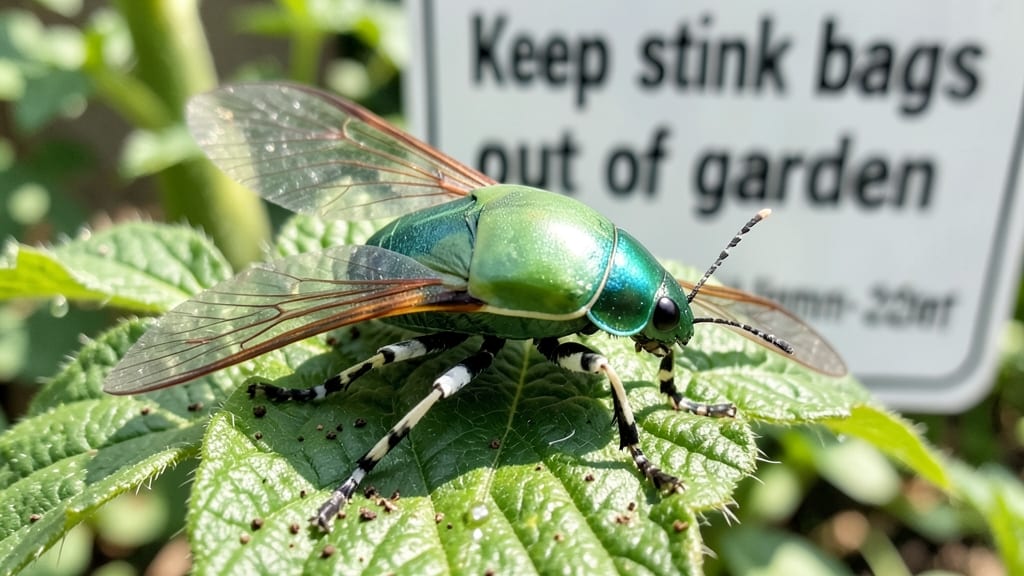
How to keep stink bugs out of the garden—I learned the hard way last summer when they wiped out my first tomato harvest in days. The second they appeared, my plants wilted, and my dreams of fresh salsa vanished just as quickly. But I found natural barriers that actually work—no chemicals, just smart strategies to keep them out for good.
These pests love hiding in dense foliage and mulch, so the key is removing their hiding spots first. I swapped thick mulch for straw, thinned out crowded plants, and added reflective mulch near beds. The trick? Make your garden less inviting than the wild areas they’d rather call home.
Once you’ve cleaned up their favorite spots, set up row covers or fine mesh netting over vulnerable plants. Neem oil sprays also disrupt their feeding patterns—just mix it up every week during peak season.
Within a month, you’ll see fewer squished bugs on your patio and more tomatoes on the vine.
This works for vegetables, fruits, and even flowers. The best part? These methods protect pollinators while keeping stink bugs at bay. No more squishing them or spraying harsh chemicals—just a garden that thrives without their damage.
What Draws Them In
Stink bugs—those shield-shaped pests with a penchant for wreaking havoc in gardens—don’t just wander in randomly. They’re drawn to your yard for very specific reasons, often tied to survival, reproduction, or even the scent of a free meal.
Understanding these triggers is the first step to outsmarting them. Let’s break down the science behind why your garden becomes their favorite hangout.
Stink bugs are plant-eating machines, and certain crops are like an all-you-can-eat buffet to them. These pests target plants that are:
Actionable insight: If you’re growing these plants, monitor them closely during dusk and dawn—when stink bugs are most active—and consider row covers or early harvesting to limit exposure. Stink bugs are cold-sensitive and seek out warm, protected spaces to survive harsh weather. Your garden provides the perfect microclimate:
Science note: Stink bugs use thermoreceptors (heat-sensing organs) to locate warm spots. This is why they cluster on sun-exposed surfaces like patio furniture or the undersides of decks. While stink bugs don’t need standing water to survive, they’re drawn to areas with high humidity and organic decay, which signal potential food sources or breeding grounds:
Pro tip: Reduce moisture hotspots by improving drainage in garden beds and storing firewood at least 20 feet away from your home or garden. Use gravel or sand instead of thick mulch in problem areas. Stink bugs are opportunistic feeders, meaning they’ll exploit whatever’s abundant in your garden—even if it’s not their first choice. Here’s how they hitch a ride on other ecosystem dynamics:
Key takeaway: A diverse garden with native plants and pollinator-friendly flowers can actually attract stink bugs indirectly. The solution? Strategic plant placement—keep their favorite meals far from your veggies.
Beat Back Stink Bugs Naturally
Stink bugs may be tough to evict, but with the right strategies, you can outsmart them before they ruin your garden. The key is combining preventive barriers, repellent tactics, and elimination methods tailored to their behavior.
Below, we break down the best fixes for each common cause of stink bug invasions—plus pro tips to keep them away for good.
Stink bugs squeeze through tiny gaps, so seal them up before they become a problem.
Why it works: Stink bugs can’t fly far but will crawl up to 10 feet to reach your plants. A simple barrier can stop them in their tracks.
How to do it:
- 🔥 Install fine mesh screens on vents, windows, and doors (use 1/16-inch mesh—stink bugs can’t fit through it).
- 🍳 Wrap tree trunks with sticky traps or aluminum foil (they dislike the texture and won’t climb).
- 👨🍳 Create a diatomaceous earth (DE) barrier around garden beds—sprinkle a thin layer (food-grade DE only!) around plants. It dehydrates their exoskeletons.
- 🥘 Use row covers over vulnerable crops (like tomatoes and peppers) to block access entirely.
💡 Pro Tip: Check for gaps in mulch or soil cracks—stink bugs love hiding there. Fill them with sand or gravel to deter them.
Stink bugs avoid strong scents, so harness plants and spices to keep them away.
Why it works: Their antennae are super sensitive to pungent smells—many of which are harmless to humans but repulsive to them.
How to do it:
- 🎯 Plant stink bug-repelling herbs near your garden:
- Basil, mint, lavender, oregano, and thyme (they love these scents).
- Marigolds and catnip (double as pest deterrents).
- ✨ Spritz plants with homemade repellent sprays:
- Garlic + water spray: Blend 4 cloves of garlic + 1 quart of water, strain, and spray on leaves.
- Pepper spray: Mix 1 tbsp cayenne pepper + 1 quart of water + a drop of dish soap (reapply after rain).
- Citrus peel spray: Boil orange or lemon peels in water, strain, and spray (refresh every 3 days).
- 🔥 Place crushed red pepper flakes near entry points (reapply after watering).
💡 Pro Tip: Rotate repellents every 2 weeks—stink bugs can get used to smells over time!
If stink bugs are already in your garden, lure and eliminate them without harming your plants.
Why it works: Stink bugs are attracted to light, heat, and CO₂—we can exploit that to catch them.
How to do it:
- 🍎 Set up yellow sticky traps near plants (they’re drawn to the color).
- 🕯️ Use a bucket trap:
- Fill a 5-gallon bucket with soapy water and place it near infested areas.
- Add a bright light (like a LED bulb) at night—they’ll fall in and drown.
- 🔪 Handpick and crush visible bugs (wear gloves—they stink when squished!).
- 🌡️ Try a vinegar trap:
- Mix
- Place near problem areas—they’ll drown in the acidic liquid.
💡 Pro Tip: Check traps daily—stink bugs reproduce fast, and a few can turn into hundreds in weeks!
Stink bugs seek shelter, moisture, and food—so remove their incentives.
Why it works: A clean, dry, and well-maintained garden is less appealing to them.
How to do it:
- 🌿 Remove weeds and debris (they hide in dead plants and leaf litter).
- ⏰ Water plants early in the day so soil dries faster (stink bugs love damp areas).
- 🍅 Prune overgrown plants to reduce hiding spots.
- 🥗 Use reflective mulch (like silver plastic or aluminum foil) around beds—it confuses them and deters landing.
- 🚫 Avoid over-fertilizing (excess nitrogen attracts them).
💡 Pro Tip: Rotate crops yearly—stink bugs target the same plants repeatedly, so confusion disrupts their feeding patterns.
Final Reminder: Consistency is key! Stink bugs are persistent, so combine 2-3 methods for the best defense. Start with barriers, add repellents, and monitor traps**—soon, your garden will be a stink bug-free zone! 🚫🐞
Frequently asked questions
Why do stink bugs suddenly appear in my garden every summer?
Stink bugs are seasonal pests that emerge in late summer to early fall when temperatures drop slightly. They seek shelter in gardens to overwinter—your warm, protected beds become their perfect hideout. They’re also attracted to maturing fruits and vegetables (like tomatoes and peppers) that ripen during this time, making your garden a buffet.
Will diatomaceous earth (DE) really kill stink bugs, or just dehydrate them?
DE works by physically damaging their exoskeletons, causing dehydration and death within 48 hours. For best results, apply it dry and powdery around plant bases, entry points, and cracks—avoid watering for 24 hours after application. Food-grade DE is safe for plants and pets once settled. Just reapply after rain or watering.
Can I use essential oils to repel stink bugs, and which ones work best?
Yes! Stink bugs hate strong scents. The most effective oils are peppermint, tea tree, and citrus (lemon or orange). Mix 10 drops of oil + 1 cup of water + 1 tsp dish soap, then spray on plants and entry points. Reapply every 3-5 days or after rain. Avoid spraying flowers if you want to protect pollinators—focus on leaves and stems.
Why do stink bugs keep coming back even after I’ve treated my garden?
They’re persistent fliers and can travel up to 10 miles in search of food/shelter! If they’re returning, check for hidden entry points (gaps in screens, mulch cracks) and reapply barriers like reflective mulch or DE. Also, they may be coming from neighboring yards or wild areas—coordinate with neighbors for broader control. Consistency is key!
Are there any stink bug predators I can attract to my garden?
Parasitic wasps (like Trissolcus species) and spider predators naturally control stink bug populations. Plant native wildflowers (like dill, fennel, or yarrow) to attract these helpers. Ladybugs and lacewings also prey on stink bug eggs—just avoid pesticides that harm them!