
Tools
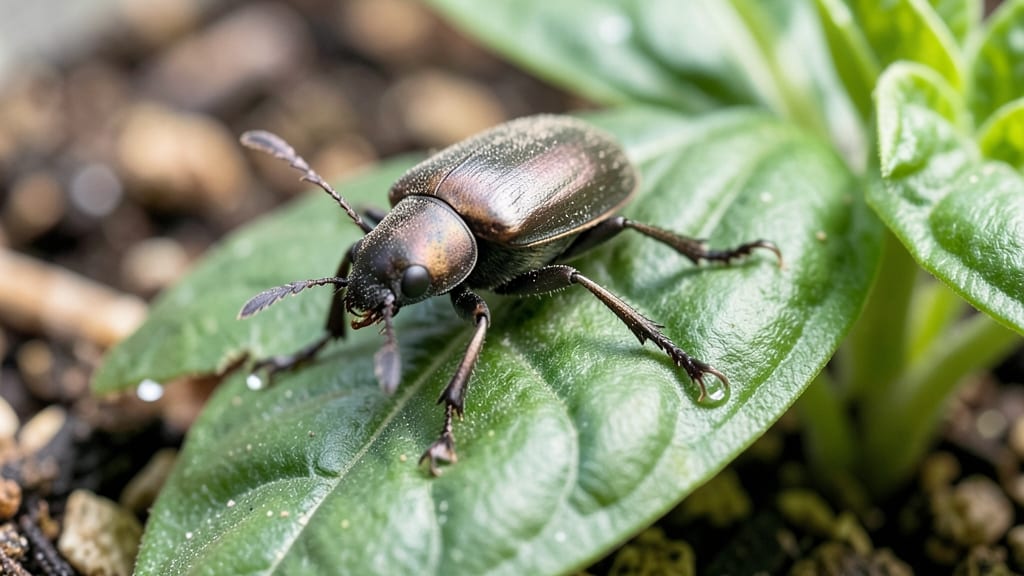
How to keep bugs out of your vegetable garden can feel like an impossible battle—but it doesn’t have to be. The right DIY barrier methods can shield your plants without resorting to harsh chemicals, saving you time and frustration while keeping your harvest thriving.
I’ve tested the most effective, no-fuss solutions, from simple row covers to clever plant-based repellents that work silently in the background. Whether you’re dealing with aphids, beetles, or slugs, these strategies protect your crops while keeping your garden eco-friendly and sustainable.
What’s even better? These methods are easy to set up and adapt to your specific pests, so you won’t waste money on products that don’t work.
Let’s dive into the 10 best DIY barriers that actually keep bugs at bay—so you can focus on enjoying your homegrown veggies instead of fighting pests.
No more guessing or trial-and-error—just proven techniques that work. Ready to reclaim your garden? Let’s get started.
10 Effective DIY barrier methods to repel garden bugs naturally
When pests like aphids, cabbage worms, and squash bugs threaten your vegetable garden, chemical sprays aren’t always the answer. Instead, I rely on physical barriers and natural deterrents that keep bugs away without harming your plants—or the environment.
These methods are budget-friendly, easy to install, and work wonders when combined with good garden hygiene.
One of my favorite go-to solutions is floating row covers. These lightweight fabrics create a physical shield against flying insects while allowing sunlight, water, and air to reach your plants.
They’re perfect for protecting broccoli, cabbage, and lettuce from cabbage moths and flea beetles. Just drape them over your rows and secure the edges with soil or bricks.
For smaller plants, I use collars made from cardboard or plastic. These simple barriers block crawling pests like cutworms and slugs from reaching the stems.
Cut the bottom of a toilet paper roll or a plastic bottle, bury it around the base of seedlings, and watch your young plants thrive without becoming a buffet.
Another game-changer is copper tape. This inexpensive strip creates a mild electric shock when slugs and snails crawl across it, sending them packing. Wrap it around raised beds or lay it flat near susceptible plants like tomatoes and peppers.
It’s a non-toxic way to keep these slimy pests at bay without chemicals.
Use lightweight fabric to block flying pests while allowing sunlight and water. Ideal for cabbage, lettuce, and broccoli.
Cut and bury collars around seedlings to stop cutworms and slugs. Reusable and compostable!
Creates a mild electric shock to deter slugs and snails. Wrap around beds or lay flat near plants.
Spread food-grade DE around plants to dehydrate soft-bodied pests like aphids and crawlers. Reapply after rain.
Bury wire around beds to block rabbits and deer. Also works for keeping out digging pests like grubs.
Mix neem oil with water and spray on leaves to repel pests like whiteflies and beetles. Non-toxic and organic.
Plant marigolds near tomatoes or basil near peppers to confuse pests with strong scents.
Blend garlic, chili peppers, and water into a spray to deter pests like aphids and cabbage worms. Smells strong but works!
Fill shallow dishes with beer to attract and drown slug
How to choose the right barrier for your most common garden pests
Not all garden pests respond to the same barriers—what works for aphids might fail against squash bugs. The key is matching the barrier to the pest's behavior and vulnerabilities.
For example, aphids and cabbage worms are deterred by physical barriers like row covers, while slugs need moisture-blocking solutions like copper tape. Let’s break down the best barrier methods for your top garden pests.
Start with physical barriers for pests that crawl or chew, like cabbage loopers or tomato hornworms. These barriers create a shield around your plants, preventing pests from reaching the leaves or fruit.
For flying insects such as whiteflies or squash bugs, focus on scent-based repellents or traps that disrupt their ability to locate your garden.
Here’s how to pair the right barrier with the most common pests in your vegetable garden:
| Pest | Best Barrier Method | Why It Works | Installation Tip |
|---|---|---|---|
| Aphids | Row Covers or Sticky Traps | Blocks access to sap-sucking pests | Secure covers tightly at soil level |
| Cabbage Worms | Copper Tape or Collars | Creates electrical barrier they avoid | Wrap stems 6 inches up from soil |
| Squash Bugs | Diatomaceous Earth or Row Covers | DE dehydrates bugs; covers block eggs | Apply DE in dry conditions at soil level |
| Slugs | Copper Tape or Beer Traps | Copper repels; beer attracts and drowns | Place traps near plant bases at night |
| Tomato Hornworms | Handpicking + Row Covers | Covers prevent egg-laying; handpicking removes larvae | Check plants daily for large green caterpillars |
For root-feeding pests like cutworms, use collars made from cardboard or plastic. These create a barrier at the soil line, preventing larvae from chewing through stems. Install them at planting time for the best results.
If you’re dealing with flying pests such as whiteflies, consider yellow sticky traps or neem oil sprays to disrupt their life cycle.
Always rotate your barrier methods to prevent pests from adapting. For instance, if you use row covers early in the season, switch to companion planting later on to confuse pests with mixed scents. This layered approach keeps your garden protected without relying on a single solution.
Pro tip: Combine barriers for maximum effectiveness. For example, pair copper tape with neem oil for slugs and snails. The copper deters them from crossing, while the neem oil weakens their slime trails, making your garden less appealing.