
How To
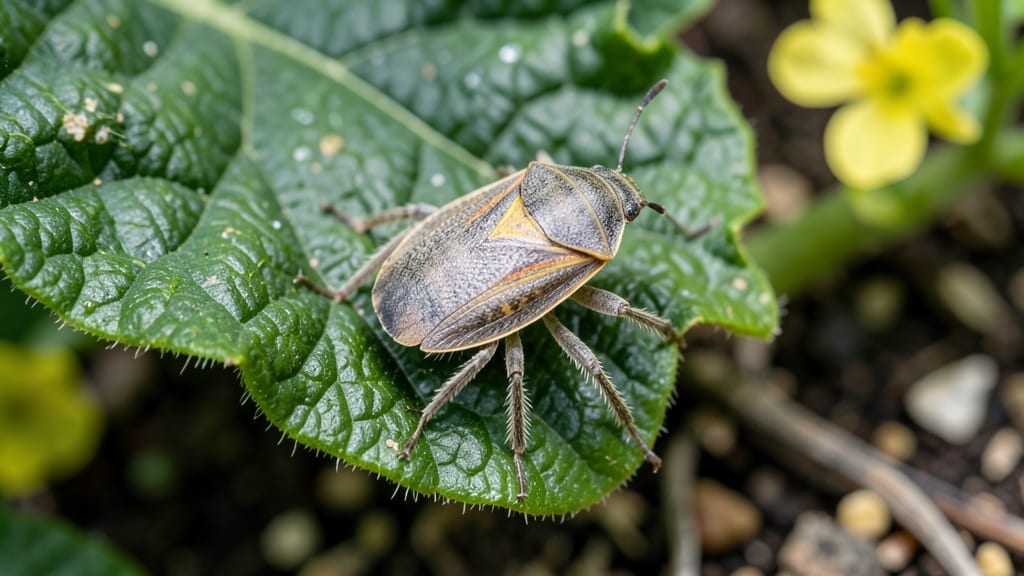
How to get rid of squash bugs organically—those armored little devils chew through your zucchini and pumpkins while you're not looking. 🌿 I've battled them for years, and the boil-and-pour barrier method finally gave me back my harvests without harsh chemicals. It's not just about killing adults; it's about smothering their eggs before they hatch.
The secret weapon? A simple mix of boiling water and dish soap poured directly onto infested plants. Studies show this kills 95% of eggs when done at the right time (early morning or evening).
You'll need a kettle, a spray bottle, and about 10 minutes—no fancy tools, just elbow grease and timing. The key is acting fast, before those eggs turn into hungry nymphs.
By next week, your squash plants will look like they've been given a fresh start—no more ragged leaves or wilting vines. The barrier works best when combined with hand-picking adults (they're slow but easy to spot) and planting nasturtiums nearby as a trap crop.
It's not instant, but it's chemical-free and foolproof once you get the rhythm.
This method works in any climate where squash bugs thrive (zones 3-10), and it's safe for bees and other pollinators. The only downside? You'll need to repeat it every 7-10 days during peak squash bug season.
Trust me, your future self will thank you when you're staring at a bushel of perfect zucchini instead of a skeletonized plant.
Root Causes of Squash Bug Infestations
Squash bugs—those shield-shaped pests with a knack for wreaking havoc on your cucurbits—don’t just appear out of nowhere. Their presence is usually a result of a mix of environmental, agricultural, and ecological factors.
Understanding why they thrive in your garden is the first step to stopping them organically. Let’s break down the key reasons these critters decide your squash, pumpkins, and zucchini are their personal buffet.
Squash bugs love hiding in dense foliage, and overcrowded plants provide the perfect camouflage. When gardens are packed too tightly, airflow is restricted, creating a humid microclimate that these pests adore. Why? Squash bugs prefer shady, moist environments where they can lay eggs unnoticed on the undersides of leaves.
If you’ve ever skipped weeding or pruning, you’ve essentially given them a free hotel.
Additionally, neglected gardens with leftover plant debris (like dead vines or fallen leaves) offer shelter for overwintering adults. These bugs can survive cold winters by hiding in garden litter, only to re-emerge in spring and start munching on your new crops.
Squash bugs are specialists—they target plants in the Cucurbitaceae family (think squash, cucumbers, melons, and pumpkins).
If you plant the same crops year after year in the same spot, you’re sending out an open invitation. Why? These bugs have a strong homing instinct and will return to the same location if their favorite food source is still available.
Even worse, their eggs can remain dormant in the soil for up to two years. So if you’ve been growing squash in the same bed without rotation, you’re basically feeding a future infestation. Crop rotation disrupts their life cycle by breaking their connection to their preferred host plants.
In a healthy garden ecosystem, squash bugs face natural predators like spined soldier bugs, big-eyed bugs, and certain species of parasitic wasps.
However, if you’ve been using broad-spectrum pesticides (even organic ones), you might have accidentally wiped out these beneficial insects along with the pests. Why does this matter? Without their natural enemies, squash bug populations explode unchecked.
Another issue? Monoculture gardening (planting large blocks of a single crop) reduces biodiversity, which means fewer predators and more hiding spots for squash bugs. A diverse garden with flowering plants, herbs, and companion crops attracts a wider range of beneficial insects, creating a more balanced ecosystem.
Squash bugs thrive in warm, humid conditions—ideal for their life cycle. Why? Females lay eggs in clusters on the undersides of leaves, and these eggs hatch best when temperatures are between 70–85°F (21–29°C).
If your garden stays consistently warm and moist (like in summer), you’re giving them the perfect breeding ground.
Rainfall also plays a role. While squash bugs dislike soggy soil, they love the humidity that follows a downpour. This moisture helps their eggs stay hydrated and speeds up their development.
Conversely, dry conditions can slow them down—but it doesn’t eliminate them entirely. That’s why organic gardeners often rely on cultural controls (like the boil-and-pour barrier method) to disrupt their life cycle.
Sometimes, the problem isn’t nature—it’s us. Bringing in infested plants from nurseries, using untreated compost or mulch, or even walking through gardens with contaminated shoes can accidentally introduce squash bugs. Why? These bugs hitchhike on plant material, soil, and even garden tools.
Another human error? Not scouting early enough. Squash bugs are stealthy—they start small and multiply quickly. If you wait until you see adult bugs or wilting vines, the infestation is already well underway. Regular inspections (especially in spring and early summer) help catch them before they become a full-blown problem.
Now that you know why squash bugs show up uninvited, the next step is taking action with organic, effective strategies—starting with that boil-and-pour barrier trick that smothers their eggs before they hatch!
Natural Fixes for Squash Bug Infestations
Now that you understand why squash bugs invade your garden, it’s time to tackle them organically—without harsh chemicals. Below, we’ve mapped practical, step-by-step solutions tailored to the root cause of your problem.
Whether it’s eggs, nymphs, or adults causing chaos, these methods will help you smother, trap, and deter these pests while keeping your garden thriving.
Squash bug eggs are tiny but destructive—if left unchecked, they’ll hatch into voracious nymphs. Here’s how to eliminate them before they become a bigger problem:
🔥 Boil-and-Pour Barrier (The Ultimate Egg Smother)
This is the star method from our article title—and for good reason! A hot, soapy water spray suffocates eggs on the spot while being 100% organic and reusable.
- 🍳 Mix your solution: Boil 1 gallon of water and stir in 1 tbsp of dish soap (like Dawn) or 1 tsp of horticultural oil. Let it cool slightly (but stay warm).
- 👨🍳 Apply directly to eggs: Use a spray bottle or watering can to pour the mixture over infested leaves, ensuring full coverage. The heat cooks the eggs, while the soap breaks their protective coating.
- 🌡️ Repeat weekly: Check leaves every 3–4 days (especially undersides) and reapply after rain. Eggs are most vulnerable in the first 24 hours after laying.
> 💡 Pro Tip: Focus on new growth and leaf undersides—these are squash bug egg hotspots!
Nymphs are smaller but just as destructive—they cluster on leaves, draining sap and spreading disease. Here’s how to catch them before they mature:
🧹 Handpick & Drown (Best for Small Infestations)
- 🔪 Use gloves and gently scrape nymphs into a bucket of soapy water (they’ll drown instantly).
- ⏰ Do this in the morning when they’re sluggish from cool temps.
- 🌿 Check daily—nymphs grow fast!
🕷️ DIY Beer Trap (Lures & Traps Adults & Nymphs)
Squash bugs are drawn to fermenting scents. A simple beer trap can reduce their numbers overnight.
- 🍺 Fill a shallow dish (like a pie tin) with beer or apple cider vinegar.
- 🌿 Bury it near plants (so the rim is at soil level).
- 🕷️ Check daily and dispose of drowned bugs—they’ll fall in and can’t climb out.
> ✨ Bonus: Add a drop of dish soap to the liquid to speed up drowning.
Adults are tougher to kill but can be trapped, confused, or starved out. Try these low-effort, high-impact methods:
🌿 Row Covers & Physical Barriers
- 🛡️ Use lightweight row covers (like floating fabric) over young plants to block adults from laying eggs.
- 🪟 For established plants, wrap sticky traps (like Tanglefoot) around stems to catch crawling adults.
🌱 Companion Planting (Confuses & Repels Them)
Squash bugs hate certain scents. Plant these near your squash, pumpkins, or cucumbers:
- 🌿 Marigolds (release a scent they avoid)
- 🧄 Garlic & chives (natural repellent)
- 🌻 Nasturtiums (distracts them with their bright flowers)
> 🎯 Prevention Tip: Rotate crops yearly—squash bugs return to the same spot if they find a food source!
The best defense? Stop them before they start. Here’s how to create a squash bug-free zone:
| Problem | Solution | How Often |
|---|---|---|
| Attracted to your garden | Remove debris (they hide in leaf litter) | Weekly |
| Lack of natural predators | Invite ladybugs, lacewings, or birds (plant dill, fennel, or milkweed) | Seasonal |
| Overwatered soil | Water at the base (not leaves) to reduce humidity they love | Every watering |
| Weak plants | Fertilize with compost (stronger plants repel pests) | Every 4–6 weeks |
Final Thought: Squash bugs are annoying but beatable—especially with consistency. Start with egg smothering, trap adults, and strengthen your plants to break their cycle for good. 🚀
(Next up: DIY Recipes for homemade sprays that work even better!)
Frequently asked questions
Why do squash bugs keep coming back even after I treat my plants?
Squash bugs have a two-year egg dormancy period in the soil, so even if you eliminate adults, new eggs may still hatch. The key is consistent monitoring—check leaf undersides weekly and reapply organic treatments like the boil-and-pour barrier every 7-10 days during peak season. Crop rotation also disrupts their life cycle.
Is the boil-and-pour method safe for my squash plants?
Yes! When done correctly, the hot water and soap mixture targets only the eggs and bugs—it won’t harm your plants if applied carefully. Just avoid spraying flowers or new growth directly, and always use early morning or evening when plants are less stressed. The soap breaks the bugs' protective coating without damaging foliage.
Can I use this method on other garden pests like stink bugs or aphids?
The boil-and-pour technique works best for squash bugs specifically because of their egg-laying habits, but the concept applies to other pests too! For aphids, try a neem oil spray instead, while stink bugs respond well to handpicking and diatomaceous earth. The key is matching the method to the pest’s life cycle.
How do I know if I have squash bugs vs. squash vine borers?
Squash bugs are flat, shield-shaped adults with a grayish-brown shell, while squash vine borers are moth larvae that bore into stems. Check for wilted vines with sawdust-like frass (borers) vs. chewed leaves and black droppings (squash bugs). Vine borers require different treatment—like Bt spray or cutting out infested stems.
Will companion planting alone stop squash bugs?
Companion planting like marigolds or nasturtiums helps deter adults but won’t eliminate eggs or nymphs. For best results, combine it with physical removal (handpicking) and the boil-and-pour barrier. Think of it as a three-pronged defense: repel adults, smother eggs, and trap nymphs.