
Companion Plants
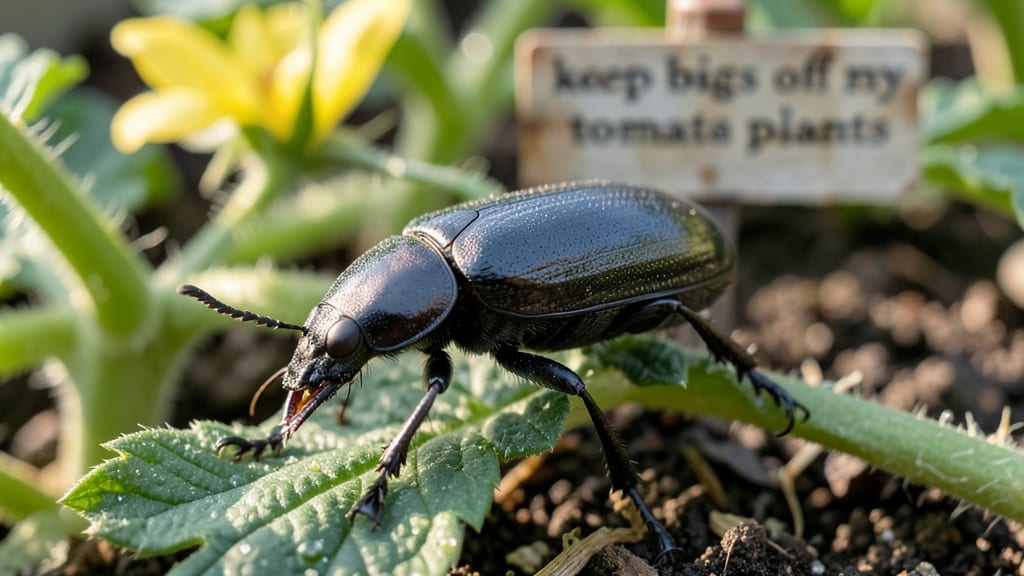
How to keep bugs off my tomato plants—the battle is won with these organic barriers that outsmart pests better than any spray. I’ve lost entire harvests to hornworms and aphids—until I discovered these foolproof organic defenses that work without fighting bugs head-on. Start with companion planting: basil, marigolds, and nasturtiums repel pests while attracting beneficial wasps and ladybugs. Add a row cover for young plants, and mix in crushed eggshells around the base—they deter slugs and cutworms without harming your tomatoes. Neem oil sprays (mixed weekly) confuse insects’ scent trails, but timing matters—apply early morning when bugs are sluggish. By midseason, your plants will thrive with fewer holes in leaves and more blossoms. The secret? Layering these tricks so no single pest stands a chance. Even my black thumb garden now produces bushels of blemish-free tomatoes—no chemicals needed. Works for containers, raised beds, or in-ground gardens. Here’s the exact schedule I follow to keep my tomatoes pest-free all summer.
Root Causes Of Tomato Plant Pests
Tomato plants are a magnet for pests—not because they’re weak, but because they’re too successful. 🌱🍅 Their lush foliage, sweet fruits, and nutrient-rich soil create an all-you-can-eat buffet for insects. Understanding why bugs target your tomatoes is the first step to outsmarting them.
Below, we break down the key triggers that turn your garden into a pest paradise—and how to flip the script.
When tomato plants are packed too tightly or struggling, they send out distress signals—literally. Stress hormones like jasmonic acid and ethylene can attract pests like aphids, whiteflies, and hornworms, which are drawn to plants that are already weakened. Overcrowding also:
- Reduces airflow—moisture lingers, creating ideal conditions for fungal diseases (which also attract sap-sucking insects).
- Blocks sunlight—shady spots make plants more susceptible to pests that thrive in cooler, damp environments (like slugs and cutworms).
- Competes for nutrients—weak roots mean less energy to produce natural defenses (e.g., bitter alkaloids that deter pests).
Actionable fix: Space plants 18–24 inches apart and prune suckers to improve airflow. Companion plants like basil or marigolds can also mask stress signals.
Tomatoes are essentially liquid gold to insects. Their:
- Sugary sap—Aphids and whiteflies love the high-sugar content in new growth, feeding on it like a dessert buffet.
- Tender leaves and stems—Caterpillars (hornworms, tobacco budworms) chew through them like they’re made of paper.
- Ripe fruit—Fruit flies and beetles are drawn to the fermenting sugars in overripe or damaged tomatoes.
Scientific twist: Some pests, like Manduca sexta (tomato hornworms), use olfactory cues to locate plants—meaning they can sniff out your tomatoes from yards away.
Actionable fix: Pick tomatoes as they ripen to remove the "calling card" for fruit flies. Use bitter sprays (like garlic or chili pepper) to disrupt their feeding patterns.
A garden bed lacking beneficial microbes or proper nutrients is like a fast-food joint for pests. Here’s why:
- Excess nitrogen—Leads to soft, leafy growth that’s a buffet for chewers (e.g., Colorado potato beetles).
- Compacted or waterlogged soil—Root stress attracts fungus gnats and cutworms, which thrive in damp, anaerobic conditions.
- Lack of predatory insects—Healthy soil teems with ladybugs, lacewings, and nematodes that naturally control pests. Poor soil = fewer allies.
Key stat: Plants grown in bioactive soil (rich in mycorrhizal fungi) show 30% fewer pest attacks due to enhanced root defenses.
Actionable fix: Amend soil with compost and mycorrhizal inoculants. Avoid over-fertilizing—aim for a balanced NPK ratio (e.g., 5-5-5).
Pests don’t just appear out of nowhere—they’re often invited by the absence of their natural enemies. For example:
- Aphids are devoured by ladybugs and lacewings—but if your garden lacks these predators, aphids explode in numbers.
- Cucumber beetles are controlled by ground beetles and parasitic wasps—but monoculture gardens (like rows of only tomatoes) disrupt this balance.
- Slugs and snails are kept in check by birds, frogs, and toads—but paved yards or pesticide use can eliminate these helpers.
Ecological fact: A single lacewing larva can eat 400+ aphids in its lifetime. Without them, your plants become an easy target.
Actionable fix: Plant diverse companion plants (e.g., dill, fennel, or alyssum) to attract predator insects. Avoid broad-spectrum pesticides that kill beneficial bugs.
Pests don’t just show up—they’re triggered by environmental cues. For instance:
| Pest | Weather Trigger | Why It Works |
|---|---|---|
| Whiteflies | Hot, dry spells | They thrive in high temperatures (80°F+) and lay eggs on the undersides of leaves. |
| Fungus gnats | Overwatering + humidity | Larvae need moist soil to survive—damp conditions accelerate their life cycle. |
| Colorado potato beetles | Cool nights, warm days | They emerge from hibernation when soil temps hit 50°F, then feed aggressively in heat. |
Actionable fix: Monitor weather patterns and adjust watering (e.g., water deeply but infrequently to deter fungus gnats). Use floating row covers in early spring to block beetles before they arrive.
Pro tip: 💡 Pests often follow a pattern—track which bugs appear after rain, heatwaves, or pruning. This helps you predict (and prevent) outbreaks before they start.
Quick Fixes for Common Tomato Plant Pests
Now that you know why bugs are crashing your tomato party, let’s tackle how to evict them—fast and naturally! Below are targeted solutions mapped to the most common culprits, along with prevention tips to keep your plants thriving. No chemicals, no fuss—just practical, garden-proven tricks.
Fix: These striped munchers can strip a plant bare overnight. Act fast!
- 🔪 Handpick them at dawn (they’re sluggish then) and drop them in soapy water. Pro tip: 💡 Check the undersides of leaves—they love to hide!
- 🐛 Invite their predators: Ladybugs, parasitic wasps, and praying mantises adore hornworms. Plant dill, fennel, or marigolds nearby to attract them.
- 🌿 Spray with neem oil (1 tsp per quart of water + a drop of dish soap) if infestations persist. Reapply after rain.
Prevent: 🎯 Plant basil near tomatoes—hornworms hate it! Also, rotate crops yearly to disrupt their life cycle.
Fix: These tiny green/black pests cluster on new growth, leaving sticky honeydew behind.
- 💦 Blast them off with a strong stream of water from a hose (early morning works best).
- 🍳 Make a soapy spray: Mix 1 tbsp mild castile soap or dish soap with 1 quart of water. Spray directly on aphids (avoid beneficial insects).
- 🌿 Introduce lacewings or ladybugs—they’re aphid snack machines. Release them at dusk when they’re most active.
Prevent:
- 🌡️ Avoid over-fertilizing (nitrogen attracts aphids).
- 🌿 Plant garlic, chives, or thyme nearby—their strong scent repels them.
Fix: These tiny white bugs flutter away when disturbed and weaken plants with their sap-sucking.
- 🕯️ Use yellow sticky traps (hang them near plants to catch adults).
- 🌿 Cover plants with floating row covers (fine mesh) to block them while allowing pollination.
- 🍳 Spray with neem oil + insecticidal soap (mix 1 tsp neem + 1 tbsp soap per gallon of water). Repeat every 5–7 days.
Prevent:
- ✨ Inspect new plants before bringing them home—whiteflies often hitch a ride.
- 🌿 Interplant with basil or dill—their scent confuses whiteflies.
Fix: These slimy pests leave perfectly round holes overnight. Barricade your plants!
- 🛡️ Set up beer traps: Bury a shallow dish filled with beer near plants. Slugs crawl in and drown. Pro tip: 💡 Use a grapefruit half—it’s the perfect slug-sized bowl!
- 🌿 Create a copper barrier: Wrap copper tape around pots or garden beds—slugs get a mild electric shock and avoid it.
- 🌿 Sprinkle diatomaceous earth (food-grade) around the base of plants. It’s non-toxic but deadly to slugs.
Prevent:
- 🌙 Water in the morning (slugs are nocturnal and avoid dry soil).
- 🌿 Plant rosemary or geraniums—their scent deters slugs.
Fix: These tiny black beetles chew tiny holes in leaves, causing a "shotgun" effect.
- 🛡️ Cover seedlings with floating row covers until plants are established.
- 🍳 Spray with neem oil or kaolin clay (mix 1 cup clay + 1 gallon water). It coats leaves and repels beetles.
- 🌿 Plant radishes or nasturtiums as a trap crop—beetles prefer them over tomatoes.
Prevent:
- 🌱 Start seeds indoors until danger of frost passes (beetles thrive in warm soil).
- 🌿 Mulch heavily—beetles dislike crawling through thick mulch.
Even with fixes in place, prevention saves time and stress.
Try these long-term strategies: - 🌿 Companion planting: Pair tomatoes with basil, marigolds, onions, or garlic—these act as natural repellents. - 🌱 Crop rotation: Don’t plant tomatoes in the same spot yearly (bugs and diseases build up in the soil). - 🌿 Healthy soil = strong plants: Use compost and worm castings to boost plant resilience.
Weak plants attract pests! - 🕯️ Early detection: Inspect plants weekly (especially undersides of leaves). Catch problems before they spread.
🎯 Remember: The key is consistency**. A little daily care beats a last-minute bug battle every time. Now grab your gloves and get gardening—your tomatoes are waiting! 🍅✨
Frequently asked questions
Why do hornworms always find my tomato plants first?
Hornworms are drawn to tomato plants because they're their favorite food source! These caterpillars can detect tomato plants from up to 30 feet away using their keen sense of smell. They especially love young, tender leaves and flowers. Planting basil or dill nearby creates a natural distraction that confuses them.
Can I use coffee grounds to keep bugs away from my tomatoes?
Yes! Coffee grounds work as a natural bug repellent because they contain caffeine and acidic compounds that deter many pests. Sprinkle used coffee grounds around the base of your tomato plants (about 1 cup per plant) and mix lightly into the soil. Reapply every 2-3 weeks or after rain. Just avoid piling them directly against stems to prevent mold.
How often should I apply neem oil to my tomato plants?
For best results, apply neem oil every 7-10 days during the growing season. Start with a 1% solution (1 tsp neem oil per quart of water) and spray thoroughly on both sides of leaves. Apply in the early morning or evening when bees are less active. Always reapply after heavy rain or if you notice new pest activity.
Will companion planting really work against all tomato pests?
While companion planting won't eliminate all pests, it creates a balanced ecosystem that naturally reduces pest populations. The key is using the right combinations: basil repels thrips, marigolds deter nematodes, and onions keep aphids away. For maximum protection, combine companion planting with other methods like neem oil and proper spacing between plants.
What's the best time of day to check my tomato plants for bugs?
The best time to inspect your tomato plants is in the early morning (before 9 AM) when many pests are still sluggish. This is when you'll spot aphids, whiteflies, and other soft-bodied insects before they become active. Check the undersides of leaves first - that's where many pests hide. Evening inspections (after 6 PM) can also be productive for finding nocturnal pests like slugs.