
Propagation
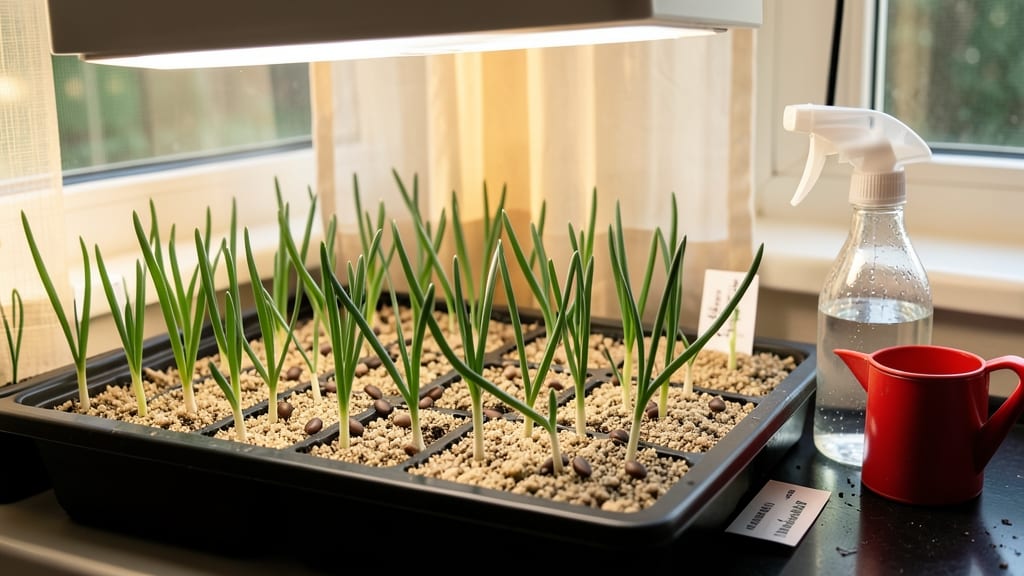
How to grow onions from seeds indoors delivers fresh harvests in just 8-10 weeks—no store-bought sets needed. 🌱 I’ve grown dozens of varieties this way, and the secret lies in choosing fast-germinating types like ‘Red Baron’ or ‘Evergreen Hardy White’ that thrive indoors. The key is patience with the slow start (they take 10-14 days to sprout) but explosive growth after that. You’ll need shallow trays, well-draining seed-starting mix, and a sunny windowsill or grow light. Keep the soil consistently moist but never soggy—overwatering is the #1 killer of onion seedlings. A humidity dome or plastic wrap speeds up germination, and once sprouted, they’ll push through the soil like tiny green arrows. By transplanting at 4-6 inches tall, you’ll have baby green onions in 6 weeks or mature bulbs by summer. The smell of fresh snips in your kitchen beats anything from the grocery store. Even my black thumb finally mastered this—once you get past the waiting game. Works for any indoor space, from kitchens to sunrooms. Let’s get those seeds going!
📚 In This Guide
- What you need
- Instructions
- Tips and common mistakes
- Wrapping up and next steps
What you need
- ● Onion seeds: Choose a fast-germinating variety like ‘Red Trouser’ or ‘Evergreen Hardy’ (1 packet, ~500 seeds).
- ● Seed-starting trays or small pots: 2–3 inch pots or a 1020-cell tray (enough for 1 seed per cell).
- ● High-quality seed-starting mix: Lightweight, sterile potting soil (1 bag, ~1 cubic foot).
- ● Grow lights or sunny windowsill: 12–16 hours of light daily (LED grow lights work best).
- ● Misting bottle or spray nozzle: For gentle watering (avoid soaking seeds).
- ● Plastic wrap or humidity dome: To retain moisture during germination.
- ● Fertilizer: Balanced liquid fertilizer (5-5-5 or 10-10-10, diluted to half-strength).
- ● Scissors or knife: For transplanting seedlings later.
- ● Heating mat (70–75°F) to speed up germination (especially in cool climates).
- ● Self-watering trays to maintain consistent moisture.
- ● Label markers to track seed varieties and planting dates.
- ● Organic compost or worm castings for nutrient-rich soil.
- ● Fungicide (like neem oil) to prevent damping-off disease.
Step-by-Step instructions for growing onions from seeds indoors
Here's how to get fast, healthy onion starts from seed—no nursery plants needed.
🌱 Step 1: Start Seeds in Warm, Moist Soil
Fill 2-inch deep seed trays or small pots with a lightweight seed-starting mix. Onions germinate best at 70-75°F, so place the tray on a seedling heat mat or in a warm spot. Moisten the soil thoroughly until it feels like a damp sponge—you want it evenly wet but not soggy.
Scatter seeds thinly across the surface, just barely pressing them into the top ¼ inch of soil. I like to use a toothpick to create tiny divots and place one seed in each—this prevents overcrowding later. Cover lightly with a fine layer of soil or vermiculite, then mist gently with water until the surface is damp.
💧 Step 2: Provide Consistent Moisture and Light
Keep the soil consistently moist by watering from the bottom—place the trays in a shallow dish of water for 10 minutes daily. This prevents disturbing the seeds while ensuring roots stay hydrated. Onions need 14-16 hours of bright light daily, so position them under a grow light within 2-3 inches of the seedlings.
Germination takes 10-14 days, but don't be surprised if it takes longer—they're slow starters. Once sprouts appear, remove the heat mat if you're using one. Thin seedlings to 1 inch apart when they reach 1 inch tall to prevent competition.
☀️ Step 3: Harden Off and Transplant Young Plants
After 4-6 weeks, when seedlings have 2-3 true leaves and are 3-4 inches tall, begin hardening them off. Place them outside in a shaded spot for 1 hour the first day, gradually increasing exposure over 7-10 days. This helps them adjust to outdoor conditions before transplanting.
Choose a sunny spot with well-draining soil for your final location. Onions prefer full sun and cool temperatures (60-65°F). Space plants 4-6 inches apart in rows 12-18 inches apart. Water deeply after transplanting to help roots establish.
🌿 Step 4: Maintain Consistent Care for Bulb Development
Keep the soil evenly moist but not waterlogged—onions need 1-1.5 inches of water weekly. Reduce watering slightly as bulbs form to encourage sweeter flavor. Feed with a balanced fertilizer (10-10-10) every 4-6 weeks to support steady growth.
Watch for first signs of bulbing—when the tops start to fall over and the bulbs swell. This usually happens 10-12 weeks after transplanting. Stop watering 2 weeks before harvest to concentrate flavor and improve storage life.
Tips & tricks for fast onion seed starts indoors
Growing onions from seed indoors can be a game-changer for year-round harvests—here's how to avoid the most common pitfalls and speed up the process.
Seed Spacing Secret: In Step 1, when you're planting those tiny onion seeds, resist the urge to crowd them. I've learned the hard way that overcrowding leads to weak, leggy seedlings. Instead, use a toothpick to create individual divots for each seed, spacing them about 1 inch apart right from the start. This prevents thinning later and gives each seedling room to grow strong from the beginning.
Lighting Up Germination: Onions need that 14-16 hours of bright light daily from Step 2, but here's what nobody tells you—seedlings will stretch toward any light source, even windows. I place my grow lights just 2-3 inches above the seedlings and adjust the height as they grow. If you notice seedlings leaning dramatically, it's time to rotate the tray daily so they grow straight up. This saves you from having to thin weak, stretched plants later.
Harden Off Like a Pro: When you're ready to harden off your seedlings in Step 3, start with just 1 hour on day one in partial shade. I've found that gradually increasing exposure by 30 minutes each day prevents shock. Also, avoid hardening off during extreme weather—stick to mild days between 60-75°F for best results. This careful transition helps your seedlings adjust without stressing them.
Watering Wisdom: That 10-minute daily watering from the bottom in Step 2 is crucial, but timing matters too. Water in the morning so the soil has time to dry slightly before nightfall—this prevents fungal issues. And when you're maintaining consistent moisture in Step 4, use your finger to check soil moisture 1 inch down. If it's dry, it's time to water; if it's still damp, wait another day.
Pro Tips for Grow Onions From Seeds Indoors
- Growing onions from seed indoors can be a game-changer for year-round harvests—here's how to avoid the most common pi...
- Seed Spacing Secret: In Step 1, when you're planting those tiny onion seeds, resist the urge to crowd them. I've lear...
- Lighting Up Germination: Onions need that 14-16 hours of bright light daily from Step 2, but here's what nobody tells...
Frequently asked questions
Got questions about growing onions from seeds indoors? You’re not alone! Here are answers to the most common concerns to help you succeed with your indoor onion garden.
What’s the fastest-growing onion variety for indoor seeds?
Look for short-day onion varieties like ‘Texas Early White’ or ‘Red Creole,’ which mature in 90–120 days from seed. These are ideal for indoor growing because they don’t require long daylight hours. Avoid long-day varieties—they’re better suited for outdoor gardens with extended sunlight.
How long does it take for onion seeds to germinate indoors?
Onion seeds typically germinate in 7–21 days, depending on warmth and moisture. Keep soil consistently 60–75°F and maintain humidity with a plastic dome or spray bottle. Patience is key—some seeds may take longer, especially in cooler conditions.
Can I grow onions indoors without natural sunlight?
Yes! Use a grow light (LED or fluorescent) for 12–16 hours daily, positioned 2–4 inches above seedlings. Onions need light to prevent leggy growth. If using a window, rotate pots weekly for even exposure. South-facing windows work best, but supplement with artificial light if needed.
Why are my onion seedlings turning yellow or falling over?
Yellowing or weak seedlings often signal overwatering, poor drainage, or nutrient deficiency. Let soil dry slightly between waterings and ensure pots have drainage holes. Use a balanced houseplant fertilizer (diluted) every 4–6 weeks. If seedlings flop, they may need more light or sturdier support (like a small stake).
Do I need to transplant indoor-grown onions outdoors later?
Not necessarily! While onions thrive outdoors, you can harvest green onions (scallions) indoors by snipping leaves as needed. For full-sized bulbs, transplant seedlings outdoors after the last frost when soil is warm. If staying indoors, choose shallot varieties (like ‘Egyptian’) for smaller, continuous harvests.
What’s the best container size for growing onions from seed?
Start with small pots (2–3 inches wide) for seedlings, then transplant to 5–6 inch pots or deeper containers (like a 12-inch planter for multiple onions). Onions need deep roots—avoid shallow trays, which can stunt growth. Use well-draining potting mix with added compost.
Wrapping up and next steps
Growing onions from seeds indoors is a rewarding journey that brings fresh, flavorful harvests straight to your kitchen—without the wait! With the right fast-germinating varieties, proper lighting, and a little patience, you’ll enjoy crisp green onions or mature bulbs in just a few months.
Whether you’re a beginner or a seasoned gardener, this method makes year-round growing easy and fun.
Now that you’re equipped with the know-how, why not take the next step? Try planting a small batch of seeds this week and experiment with different varieties. Soon, you’ll be savoring homegrown onions in soups, salads, and sandwiches—all thanks to your green thumb! 🌱✨