Pests
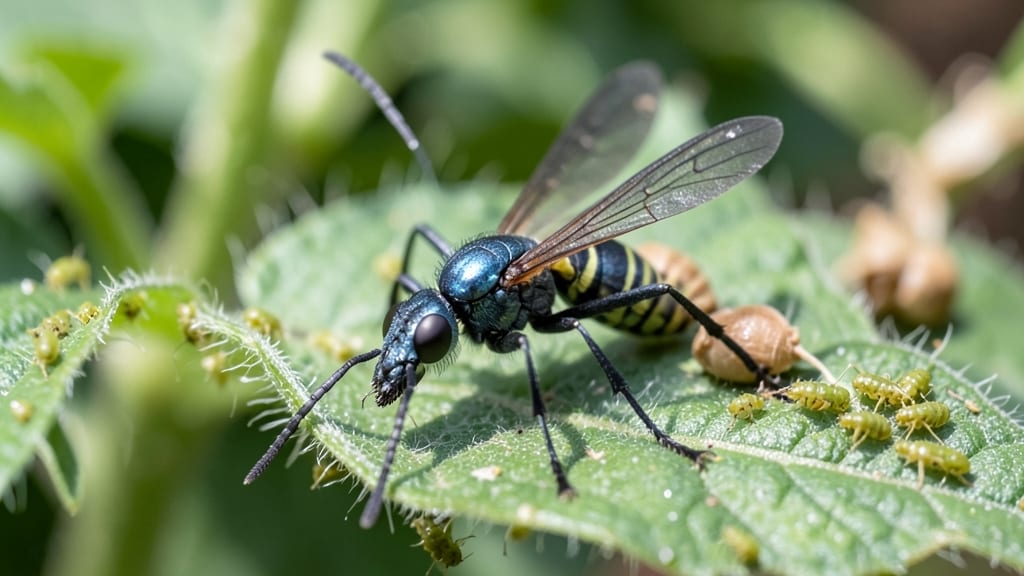
How to attract parasitic wasps—your garden’s worst pests have a tiny, winged enemy you’ve never met. 🌿 Parasitic wasps don’t sting humans—they hunt caterpillars, aphids, and beetles that would otherwise destroy your plants. I’ve seen them turn a tomato hornworm infestation into a skeleton in days, and it’s the closest thing to magic in organic gardening.
The secret isn’t complicated: these wasps need three things—nectar sources, shelter, and pest hosts. Planting dill, fennel, or marigolds provides food, while bare soil patches and dense foliage give them nesting spots.
Even a small patch of wildflowers can transform your yard into a wasp highway. No fancy equipment needed—just a willingness to share your garden with these tiny allies.
Within weeks, you’ll notice fewer chewed leaves and more wasps darting around your plants. The best part? They’re selective predators—they won’t bother bees or other beneficial insects. Think of them as the garden’s silent security team, working 24/7 while you sip lemonade in the shade.
Fair warning: they’re not as scary as they sound. Most species are quarter-inch long, harmless to humans, and far more interested in your pests than you.
The key is patience—it takes about 3-4 weeks for populations to build, but once they’re established, your garden becomes self-regulating. Ready to invite them in?
📚 In This Guide
- What you need
- Instructions
- Tips and common mistakes
- Wrapping up and next steps
What you need
- ● Host pest infestation: Caterpillars, aphids, or other soft-bodied insects (naturally attract parasitic wasps).
- ● Water source: A shallow dish with pebbles (to prevent drowning) or a dripping faucet.
- ● Shelter options: Potted plants with dense foliage (e.g., lavender, dill, or fennel).
- ● Hollow stems or bamboo stakes (for nesting).
- ● Pesticide-free zone: Avoid chemical sprays—parasitic wasps are sensitive to them! 🚫💧
- ● Native flowering plants: Yarrow, alyssum, or milkweed (provides nectar for adult wasps).
- ● Artificial nesting aids: Small wooden blocks with drilled holes (¼-inch diameter).
- ● Monitoring tools: A magnifying glass or bug viewer to spot wasp activity.
- ● Local expertise: Check with a local extension office for region-specific wasp species.
Tips & tricks for perfect natural pest control with parasitic wasps
These simple strategies will help you create the ideal ecosystem to attract and retain these tiny pest predators.
Seasonal Planting Strategy: In Step 1, focus on creating a year-round buffet by planting in three waves: early spring with alyssum, mid-summer with coneflowers, and late summer with goldenrod. This ensures wasps always have fresh nectar sources. I've found that adding just one new plant type every 2-3 weeks keeps them coming back—think of it as their all-you-can-eat restaurant that never closes. The key is maintaining that continuous bloom mentioned in Step 5, which prevents wasps from seeking food elsewhere.
Overwintering Habitat Hacks: For Step 2, don't limit yourself to just sunflower stalks. I've had success with bamboo sections cut lengthwise or even rolled-up newspaper tucked into garden corners. These provide similar shelter while being more accessible materials. The critical detail is maintaining that 60°F minimum temperature for spring emergence—this is why southern exposures work best for overwintering sites.
Water Source Innovation: When setting up water sources in Step 3, consider adding a small piece of sponge to your shallow dishes. Wasps can land safely on the sponge's texture while drinking, and it prevents them from drowning. I've noticed they're particularly active around water sources between 10 AM and 3 PM when temperatures hit that 70-80°F sweet spot mentioned in the instructions.
Pesticide-Free Transition Timeline: In Step 4, the 4-6 week waiting period after pesticide use is non-negotiable, but you can accelerate wasp return by implementing companion planting immediately. Marigolds are particularly effective—their strong scent repels many pests while attracting beneficial insects. I've seen wasp populations rebound in just 2-3 weeks when combined with proper habitat creation.
Pro Tips for Attract Parasitic Wasps
- These simple strategies will help you create the ideal ecosystem to attract and retain these tiny pest predators.
- Seasonal Planting Strategy: In Step 1, focus on creating a year-round buffet by planting in three waves: early spring...
- Overwintering Habitat Hacks: For Step 2, don't limit yourself to just sunflower stalks. I've had success with bamboo ...
Frequently asked questions
Got questions about harnessing parasitic wasps for pest control? You’re not alone! Here are answers to the most common queries—so you can get started with confidence and ease.
What pests do parasitic wasps actually control?
Parasitic wasps like Trichogramma and Braconidae target soft-bodied garden pests, including caterpillars (like tomato hornworms), aphids, and beetle larvae. They’re not aggressive toward humans or beneficial pollinators—just the critters wrecking your plants!
When’s the best time to release them?
Timing is key! Release parasitic wasps early in the season (spring) when pest populations are low but active. For example, deploy Trichogramma wasps when caterpillars first appear. Repeat releases every 2–3 weeks for continuous protection. Pro tip: Avoid releasing them in extreme heat or cold—they thrive in 60–85°F conditions.
Are parasitic wasps a one-time fix, or do I need to keep buying them?
Think of them as a seasonal investment. While they’ll reproduce naturally, their populations may dwindle over time or if pests vanish. For consistent control, plan for multiple releases per season. Start with a small batch (e.g., 50,000 wasps for 1 acre) and adjust based on pest pressure.
What if I don’t want to use wasps—are there alternatives?
Yes! Try these low-impact alternatives:
- Neem oil: Disrupts pest life cycles without harming beneficial insects.
- Handpicking: Remove caterpillars or eggs manually (especially effective for small gardens).
- Beneficial nematodes: Target soil-dwelling pests like grubs.
- Ladybugs/lacewings: Natural predators for aphids and mites.
Will parasitic wasps sting me or my pets?
Relax—they’re not like yellowjackets! Parasitic wasps are solitary and only sting if crushed or provoked. They lack the venom to harm humans or pets. That said, avoid handling them barehanded (use gloves if releasing large quantities). Your furry friends and kids are safe as long as the wasps are left undisturbed.
What should I do if pests keep coming back?
If pests persist, troubleshoot with these steps:
- Check for hidden infestations (e.g., egg masses on undersides of leaves).
- Ensure wasps have shelter and water (shady spots, damp sponges).
- Rotate pest control methods (e.g., combine wasps with BT spray for caterpillars).
- Monitor weather conditions—drought or extreme heat can stress wasps.
Wrapping up and next steps
Attracting parasitic wasps is a game-changer for natural pest control—simple, effective, and eco-friendly! 🌿 By setting up host plants, water sources, and shelter, you’ll turn your garden into a wasp-friendly haven while keeping harmful pests in check.
Remember, these tiny allies work overnight, so patience and consistency are key.
Ready to take action? Start small—plant a few host species or hang a wasp hotel today. Your garden (and your sanity) will thank you! 🚀 Next step: Monitor your setup and adjust as needed—soon, you’ll be a pest-control pro.