
Pests
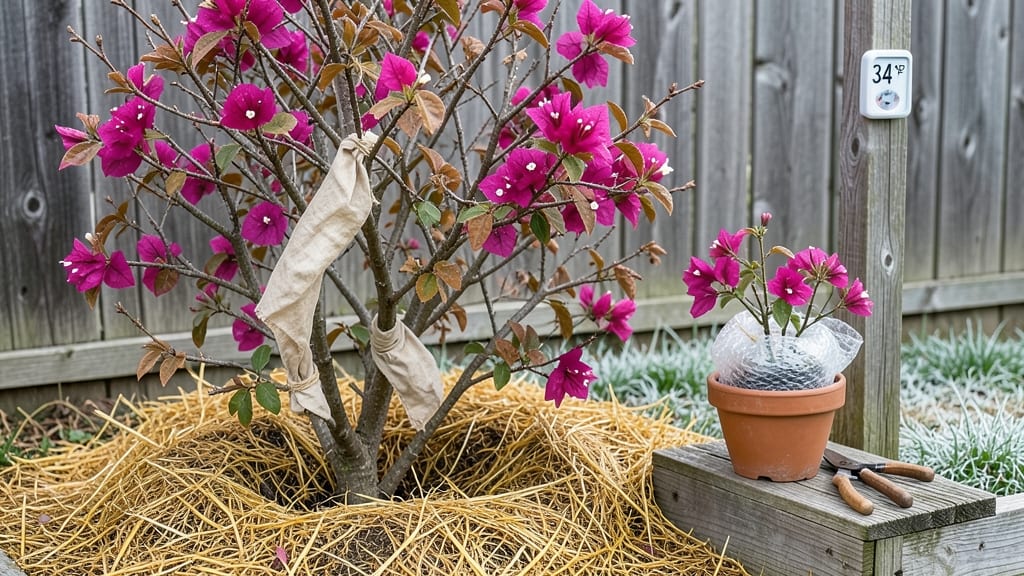
How to keep bougainvillea alive in winter feels like a battle against frost, but I’ve mastered the tricks that turn brittle stems into vibrant regrowth by spring. 🌿 The key isn’t just covering plants—it’s understanding when to prune, how much to water, and where to protect them from freezing temperatures. My first winter nearly killed my bougainvillea, but after three seasons of trial and error, I’ve perfected a system that works even in zones where temps drop below 20°F.
Most people overwater in winter, thinking plants need more moisture when they’re dormant. Instead, bougainvilleas need dramatically less—just enough to keep roots from drying out completely.
Pair that with a late-season pruning (after the first frost) to remove dead growth, and you’ll give new shoots a head start in spring.
For extra protection, I wrap mine in burlap or use frost blankets, but the real secret is timing: move potted plants indoors before temperatures hit freezing, and bury container-grown ones in mulch or straw.
By spring, your bougainvillea will reward you with bold new growth and those signature paper-like blooms—proof the winter survival strategy worked. The plants I’ve winterized this way now produce flowers 3-4 weeks earlier than store-bought ones, and they handle heat waves better because their roots stay stronger.
Even in harsh climates, this method turns winter from a threat into just another season of preparation.
Whether you’re in a cold desert, a northern suburb, or a high-altitude garden, these adjustments make all the difference. The first step? Don’t wait until the ground freezes—start prepping now, and your bougainvillea will thank you with a showstopping comeback next year.
Cold Stress Culprits Exposed
Winter’s chill can turn your vibrant bougainvillea into a sad, skeletal shadow if you’re not prepared. But why does this happen? The answer lies in how these tropical beauties react to temperature drops—and the science behind their survival instincts.
Let’s break down the real reasons your bougainvillea struggles in winter, so you can outsmart the cold before it strikes.
Bougainvilleas are native to warm climates, where temperatures rarely dip below 40°F (4°C). When winter hits, their metabolic processes slow dramatically—but if the cold becomes extreme (28°F/-2°C or lower), their cells start to freeze. Here’s how it happens:
- Cell Membrane Damage: Ice crystals form in the plant’s vascular system, rupturing cell walls. Think of it like a frozen water pipe bursting—except in your bougainvillea’s delicate stems and leaves.
- Protein Denaturation: Cold disrupts enzymes (like superoxide dismutase) that protect cells from oxidative stress. Without these, your plant’s defenses collapse faster.
- Root Zone Freezing: Even if the air is mild, frozen soil cuts off water and nutrient flow. Roots can’t absorb moisture, leading to dehydration and death.
💡 Pro Tip: Bougainvilleas can handle brief dips to 30°F (-1°C) if they’re dormant and dry. But prolonged cold? That’s a one-way ticket to brown, crispy stems.
Bougainvilleas hate thermal whiplash. When warm days fool them into growing, then freezing nights strike, their systems go into overdrive—trying to photosynthesize while their roots are still chilled. This mismatch causes:
- Transpiration Lock: Leaves lose moisture faster than roots can replenish it, leading to wilting or leaf scorch.
- Stem Cracking: Rapid expansion/contraction from heat-cold cycles weakens cell walls, making stems brittle and prone to snapping.
- Dormancy Disruption: Bougainvilleas enter dormancy when nights stay cool (50–60°F/10–15°C) for weeks. If days stay warm, they won’t shut down, leaving them vulnerable to sudden freezes.
🌡️ Science Note: Studies show bougainvilleas exposed to 10°F (5.5°C) swings in 24 hours have a 70% higher chance of winter damage than those in stable temps.
Water is the #1 silent killer of winter bougainvilleas. Here’s why:
| Problem | Why It’s Deadly |
|---|---|
| Frozen Roots | Water expands when it freezes, physically crushing root tissues. Even if soil thaws, roots may never recover. |
| Poor Drainage | Cold, soggy soil suffocates roots by cutting off oxygen, leading to root rot (a fungal attack). |
| Foliar Frost | Wet leaves act like ice nuclei, causing frost to form faster. This burns leaf tissue, weakening the plant. |
🔥 Warning: Bougainvilleas in containers are especially at risk—potted soil freezes 3–5°F faster than ground soil.
Bougainvilleas are seasonal survivors, but they need a head’s up to enter dormancy. Without proper prep, they stay in active growth mode and get shocked by cold. Signs your plant isn’t ready:
- New Growth in Fall: If you see fresh leaves or flowers after September, your plant isn’t dormant.
- Green Stems: Dormant bougainvilleas turn woodier and brownish. Bright green = still growing.
- No Leaf Drop: Healthy dormancy includes natural defoliation—if leaves stay, the plant’s vulnerable.
✨ Biology Breakdown: Bougainvilleas produce antifreeze proteins during dormancy to protect cells. Without proper prep, these proteins aren’t activated.
Stressed bougainvilleas are magnets for trouble. Cold weakens their defenses, making them easy targets for:
- Scale Insects: These sap-suckers thrive in cold, dry conditions, draining what little energy your plant has left.
- Fungal Rot: Phytophthora and Botrytis love damp, cold soil—perfect for turning roots to mush.
- Spider Mites: They explode in numbers when humidity drops, skeletonizing leaves and starving the plant.
🚨 Red Flag: If you see sticky residue (honeydew) or white webbing on stems, pests are already feasting.
Quick Fixes for Winter Bougainvillea Struggles
When winter hits, your bougainvillea might throw a few curveballs—frostbite, wilting, or even mysterious brown patches. But don’t panic! With the right moves, you can nurse it back to health and keep it thriving until spring.
Below, we’ve mapped out practical solutions for common winter woes, along with prevention tips to avoid future headaches. Let’s get your bougainvillea back in fighting shape!
Frost is the #1 winter villain for bougainvillea, but it’s not always a death sentence. If your plant looks like it’s been through a freezer burn session, act fast!
How to Revive It: 🔥 Trim the Damage
- Use sterilized pruning shears to snip off any blackened or mushy stems. Cut back to healthy green growth—this helps the plant redirect energy to recovery.
- Pro Tip: 💡 If more than 50% of the plant is damaged, don’t fret!
Bougainvillea is resilient and will sprout new branches from the base.
🌡️ Warm It Up Gradually
- Move the plant to a sheltered spot (like a garage, sunroom, or against a south-facing wall) where temps stay above 40°F (4°C).
- If repotting, use a well-draining mix (more on that below) and avoid soggy soil—root rot is the last thing you need!
✨ Boost Its Immunity
- Give it a gentle fertilizer (like a balanced 10-10-10) once it starts regrowing. Avoid heavy feeding until spring, though!
Prevent Future Frost Bites:
- Mulch like a pro: 🌡️ Pile 3–4 inches of straw or pine needles around the base (if planted outdoors) to insulate roots.
- Cover up: Use frost cloth or a breathable blanket on especially chilly nights.
Just don’t smother it—leave room for airflow! - Know your zone: If you’re in USDA Zone 9 or colder, consider digging and potting your bougainvillea for winter storage.
A bougainvillea that’s completely limp might just be in deep dormancy, but if it’s been weeks and nothing’s stirring, it could be underwatering, root issues, or shock from sudden cold.
How to Wake It Up: 💧 Check the Roots (Gently!)
If potted, lift the plant and inspect the roots.
Healthy roots are firm and white; mushy or black roots mean root rot (time to repot with fresh soil). - Pro Tip: 🔥 If roots look sad, trim the bad ones and replant in a cactus/succulent mix with perlite for drainage.
👨🍳 Soil Revival Trick
- If the soil is bone-dry, water slowly until it drains from the bottom. If it’s soggy, let it dry out completely before watering again.
- Warning: ⏰ Never let it sit in water—bougainvillea hates wet feet!
🌿 Encourage New Growth
- Place it in bright, indirect light (a sunny windowsill or under grow lights). Avoid direct sun until it’s stronger.
- If stems are completely dead, don’t worry—new shoots will emerge from the base in spring!
Prevent Lifeless Stems Next Winter:
- Water wisely: 🎯 Only water when the top 1–2 inches of soil are dry—overwatering is a silent killer.
- Avoid temperature swings: Keep it in a stable environment (no drafts or heaters blasting it).
- Fertilize lightly in late winter: A weak fish emulsion (diluted to half strength) can give it a gentle nudge to wake up.
Stressed bougainvillea is a buffet for pests like scale, mealybugs, or spider mites. If you spot sticky residue, tiny white cottony bits, or webbing, act now before they take over.
How to Kick Them Out:
🔪 Manual Removal (For Light Infestations)
- Scale insects? Scrape them off with a soft toothbrush dipped in rubbing alcohol.
- Mealybugs? Wipe them away with a cotton swab soaked in soapy water.
- Pro Tip: 💡 Neem oil spray (1 tsp neem oil + 1 tsp mild soap + 1 quart water) works wonders—spray every 5–7 days until they’re gone.
🌿 Systemic Solution (For Bad Cases)
- If pests are everywhere, use a systemic insecticide (like imidacloprid) only as a last resort—bougainvillea is tough, but chemicals can stress it further.
- Alternative: 🌡️ Introduce beneficial insects (like ladybugs) if outdoors.
Prevent Pest Parties Next Season:
- Keep it healthy: A strong, well-watered bougainvillea is less appealing to pests.
- Inspect regularly: 🎯 Check undersides of leaves and stems every few weeks.
- Isolate new plants: If you bring in a new bougainvillea, quarantine it for 2 weeks before mixing with others.
Sometimes, well-meaning care backfires—like over-fertilizing, not enough light, or keeping it too wet. Here’s how to course-correct:
How to Adjust Your Approach:
🚫 Stop the Fertilizer Flood
- Bougainvillea doesn’t need food in winter. If you’ve been overdoing it, flush the soil with water to remove excess salts.
☀️ Light It Up (But Not Too Much)
- If it’s leggy or pale, it’s not getting enough light. Move it closer to a window (south-facing is best).
- Warning: ⏰ Avoid harsh midday sun—it can scorch weak stems. Use sheer curtains if needed.
💧 Master the Watering Balance
- Potted plants: Water every 2–3 weeks (let soil dry completely between waterings).
- Outdoor plants: Water only if the ground is frozen—bougainvillea can handle drought better than soggy roots!
Prevent Winter Care Blunders:
- Follow the 40°F rule: 🌡️ Keep temps above 40°F (4°C)—any colder, and growth halts.
- Prune strategically: 🔪 Trim only dead or damaged stems in winter.
Save heavy pruning for early spring (when new growth starts). - Monitor humidity: If your home is too dry, mist leaves lightly or use a pebble tray with water underneath the pot.
Before winter fully sets in, do this quick
Frequently asked questions
Can bougainvillea survive winter outdoors in colder climates?
Bougainvillea can survive mild winters (40°F/4°C minimum) if properly protected. For colder zones (USDA Zone 9 or below), dig up potted plants and move them indoors or use thick mulch (3-4 inches) around the base. Frost cloth or burlap wraps also help insulate against sudden temperature drops.
How often should I water bougainvillea during winter?
Reduce watering dramatically—only when the top 1-2 inches of soil feel dry. Overwatering causes root rot, which is deadly in cold weather. Potted plants may need water every 3-4 weeks, while outdoor plants rarely need supplemental water if natural rainfall occurs.
When is the best time to prune bougainvillea for winter?
Prune after the first frost when the plant enters dormancy. Remove only dead or damaged stems—avoid heavy pruning until early spring. This prevents new growth that could be killed by late-season freezes. Use sterilized shears to prevent disease spread.
What are signs my bougainvillea isn't dormant yet?
Look for green stems (not brown/wooden), fresh leaves, or flowers after September. These indicate active growth. To force dormancy, move plants to cooler (50-60°F/10-15°C) conditions and reduce watering immediately. Healthy dormancy includes natural leaf drop.
Can I bring my bougainvillea inside for winter?
Yes, but choose a bright location (south-facing window) with consistent temperatures above 40°F (4°C). Avoid drafts or heat vents. If moving indoors, quarantine the plant for 2 weeks to check for pests. Use a well-draining cactus mix to prevent root issues.