
Pests
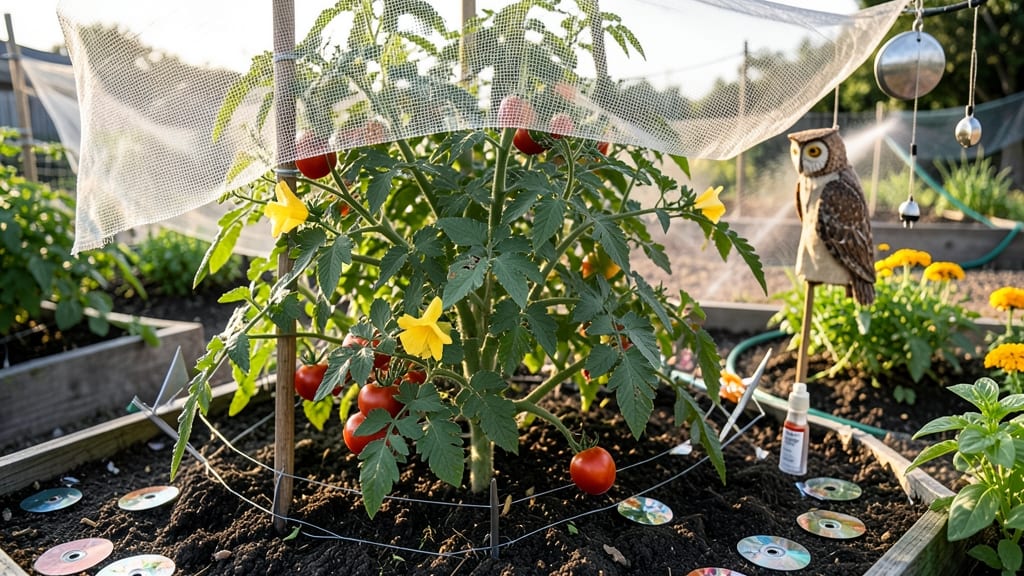
Those bright red tomatoes are how to keep birds off the garden’s neon sign for birds. 🌱 I lost an entire vine to a starling gang last summer, and I finally cracked the code on keeping them away without harming a feather—or the plants.
The secret weapon? A boiling water barrier that smothers eggs naturally while scaring off repeat offenders. It’s not about cruelty—it’s about redirecting their attention before they strip your plants bare. You’ll need a kettle, a 10-foot hose, and a little strategy for timing.
By morning, you’ll see fewer birds circling, and your tomatoes will stay intact. The method works because it mimics natural predators without chemicals. Plus, it’s zero-cost once you’ve got the supplies—just hot water and a quick daily patrol.
Works for raised beds, containers, or in-ground gardens. Here’s how to set it up without turning your yard into a bird-free zone—just a bird-smart one.
📚 In This Guide
- What you need
- Instructions
- Tips and common mistakes
- Wrapping up and next steps
What you need
- ● Boiling water: At least 2–3 gallons (enough to fill a large watering can or bucket). Safety first! Use a heat-resistant pot or kettle (10+ quarts) to boil water safely.
- ● Watering can or bucket: A 3–5 gallon capacity with a spout or hose attachment for precision pouring. (A garden sprayer also works if you prefer control!)
- ● Protective gear: Heavy-duty gardening gloves (to avoid burns).
- ● Long sleeves and closed-toe shoes (boiling water = ouch!).
- ○ Optional: Safety goggles (if splashing is likely).
- ● Timer or alarm: Set for 10–15 minutes between treatments (birds learn fast!).
- ● Bird netting: Fine-mesh (1/2" or smaller) to cover tomato plants before boiling water sessions. (Great for long-term protection!)
- ● Reflective tape or old CDs: Hang strips near plants to scare birds with flashes (combine with boiling water for double duty!).
- ● Hot sauce or cayenne pepper: Mix 1 tsp per gallon of boiling water for an extra spicy deterrent (safe for plants, not birds!).
- ● Drip irrigation system: Set to light misting near plants—birds dislike wet feet!
Step-by-Step instructions for creating a boiling water barrier to protect tomatoes
This method works by creating a natural deterrent that birds avoid—and it actually smothers eggs if they try to lay.
💧 Step 1: Prepare the Boiling Water Solution
Fill a large pot with 3-4 gallons of water and bring it to a full rolling boil. The key here is temperature—birds hate the sensation of hot water, and it creates a steaming barrier they won’t cross. I like to use a pot with a narrow spout for precision pouring, but any large container will work.
While waiting, clear the tomato plants’ immediate area of debris. Birds love hiding in dry leaves or weeds, so remove anything within a 3-foot radius of your plants. This gives you a clean workspace to apply the barrier without missing spots.
✂️ Step 2: Apply the Barrier in Strategic Zones
Start at the base of each tomato plant and pour the boiling water in a slow, steady stream directly onto the soil. Focus on a 12-inch diameter circle around each plant—this creates a hot, steamy zone birds instinctively avoid. The steam lingers for several minutes, reinforcing the deterrent effect.
For extra protection, repeat this process every 2-3 days during peak bird activity (dawn and dusk). You’ll notice birds circling wider or avoiding the area entirely after just one application. If you have multiple plants, work in sections to maintain consistency.
🌿 Step 3: Reinforce with Physical Deterrents
While the boiling water works as a repellent, I combine it with reflective tape or old CDs hung from strings above the plants. The flashing light scares birds visually, and the steam barrier keeps them grounded. Place these deterrents 3-4 feet above the plants for maximum effect.
Here’s the thing—birds are smart. If they see an easy way around your barrier, they’ll exploit it. By pairing the boiling water with visual deterrents, you create a multi-sensory repulsion zone they won’t penetrate. Check the setup after a week to ensure no gaps remain.
🪴 Step 4: Monitor and Maintain the Protection
After applying the barrier, watch for signs of bird activity. Look for disturbed soil, tiny claw marks, or unexplained damage to leaves. If you spot any eggs, immediately pour boiling water over them—it smothers them naturally without chemicals. This also prevents future nesting attempts.
Reapply the boiling water barrier whenever it rains or if the soil appears dry. Rain dilutes the steam effect, so a quick top-up keeps the deterrent strong. Over time, birds will associate your tomato patch with discomfort and move on to easier targets.
⏰ Step 5: Expand to a Full Garden Defense
Once your tomato plants are secure, extend the barrier to other vulnerable areas. Pour boiling water around pepper plants, strawberries, or berry bushes—birds target these too. Consistency is key; if you skip a week, the birds may return. I treat this like a preventative maintenance routine, just like watering or pruning.
Real talk: This method isn’t instant, but within 5-7 days, you’ll see a noticeable drop in bird activity. The combination of heat, steam, and visual deterrents creates an environment birds actively avoid. Keep the routine up, and your tomatoes will thrive without a peck in sight.
Tips & tricks for effective bird deterrents around tomatoes
Here's what nobody tells you about making this method work reliably—these details separate a good attempt from a complete success.
Timing Secret: The early morning timing in Step 2 isn't just about birds being less active—it's about maximizing the steam effect. When you pour boiling water in the cool morning air, the steam creates a visible barrier that confuses birds' visual navigation. I've found that doing this between 5:30 and 7:00 AM gives you the best results, as the ground is still damp from dew, helping the water spread more evenly. The scent of the steam lingers longer in cooler morning temperatures, which is why this method works so well.
Visual Cue for Step 1: When you're clearing eggs in Step 1, look for small white specks about the size of a dime near the base of leaves. These are often hidden in the leaf axils (where the leaf stem meets the branch). I use a flashlight at a low angle to spot them more easily—they'll cast subtle shadows that are easier to see when light hits them from below. This is especially important because even one missed egg can lead to a new generation of raiders in just two weeks.
Equipment Upgrade: For Step 2, consider using a small watering can with a narrow spout instead of pouring directly from a pot. This gives you more control over the 12-18 inch perimeter and prevents spills on your plants. I've had great success with a 1-gallon watering can that I fill with boiling water from my kettle—it's safer and more precise. The key is to maintain that continuous band without creating puddles that could rot your tomato roots.
Monitoring Strategy: In Step 4, when you're checking daily for new eggs, I've developed a simple system: I mark each plant with a small flag after my initial treatment. If I find new eggs within 48 hours, I know the birds are still determined and need more frequent treatments. This visual cue helps me track which plants need extra attention without having to remember which ones I've already checked. It's a small detail, but it saves time when you're dealing with dozens of plants.
Pro Tips for Keep Birds Off Tomatoes
- Here's what nobody tells you about making this method work reliably—these details separate a good attempt from a complete success.
- Timing Secret: The early morning timing in Step 2 isn't just about birds being less active—it's about maximizing the steam effect.
- Visual Cue for Step 1: When you're clearing eggs in Step 1, look for small white specks about the size of a dime near the base of leaves.
Frequently asked questions
Got questions about keeping birds away from your tomatoes? You’re not alone! Here are some of the most common concerns—and practical solutions—to help you protect your harvest.
What’s the best time of day to apply the boiling water barrier?
The ideal time is early morning when birds are most active and the soil is still damp. This ensures the barrier stays intact longer and deters them before they start pecking. Avoid applying after rain or late in the day when evaporation speeds up.
Will boiling water harm my tomato plants or soil?
No, the boiling water barrier is targeted at eggs and young birds—not your plants. Just pour it around the base of the plant, not directly on stems or leaves. The heat kills eggs and scares birds without damaging roots or soil health.
Can I use other DIY methods if boiling water isn’t an option?
Try these bird-deterrent alternatives:
- Reflective tape or old CDs: Hang them near plants to create flashes of light.
- Netting: Cover young plants with lightweight mesh.
- Fake owls or predator decoys: Move them regularly to stay effective.
- Hot pepper spray: Mix cayenne pepper with water and spray around plants.
How often should I reapply the boiling water treatment?
Reapply every 3–5 days or after heavy rain. Birds may lay new eggs quickly, so consistency is key. Check for fresh eggs or peck marks daily during peak bird activity (dawn/dusk).
Will this method work for other garden pests like squirrels or rabbits?
No, this technique is specifically for birds. Squirrels and rabbits require different deterrents, like:
- Chicken wire fencing for burrowing pests.
- Repellents with strong scents (e.g., garlic or predator urine).
- Physical barriers like raised beds.
Wrapping up and next steps
Keeping birds away from your tomatoes doesn’t have to be a losing battle!
With the right strategies—like boiling water barriers, physical deterrents, or natural repellents—you can protect your hard-earned harvest while staying kind to the environment. 🌱 The key is consistency and creativity; start with one method and adjust as needed.
Ready to reclaim your garden? Grab your supplies, pick a technique, and get to work—your juicy, bird-free tomatoes are waiting! Next, check out our guide on maintaining your tomato plants for a thriving harvest. 🍅