
Pests
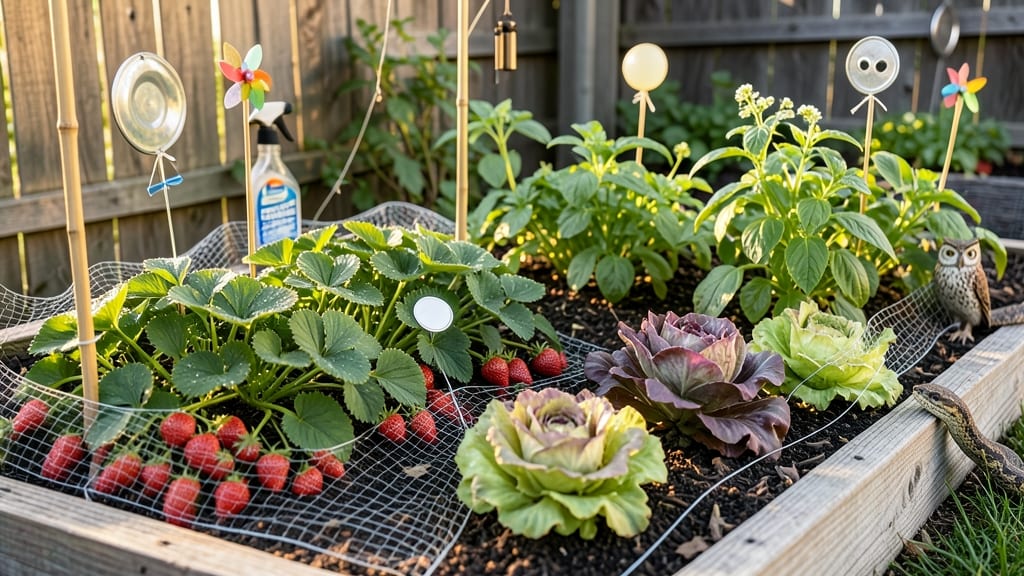
How to keep birds away from your plants—until I learned these effective, bird-friendly tricks. 🌱 The key isn’t scaring them away but making your garden less appealing than the birdseed store down the street. Birds love easy meals, so we’ll outsmart them with simple, non-toxic solutions that actually work.
Start with reflective deterrents—old CDs, aluminum pie pans, or even shiny tape on stakes. The flashes confuse them, but they’re harmless and reusable for years. Add physical barriers like netting over vulnerable plants or bird netting draped loosely over berry bushes—birds peck at what they can’t reach.
For long-term fixes, try predator decoys like fake owls (real ones work too, but plastic ones last seasons).
You’ll see fewer pecked leaves and more intact harvests within days. The best part? These methods protect pollinators while keeping birds from turning your garden into their all-you-can-eat buffet. No chemicals, no cruelty—just smart gardening that actually works.
Works for berries, veggies, and even flower beds. Here’s how to set it up without stressing your feathered neighbors—or your sanity.
📚 In This Guide
- What you need
- Instructions
- Tips and common mistakes
- Wrapping up and next steps
What you need
- ● Reflective objects: Old CDs/DVDs (10–20), aluminum foil strips (2–3 ft long), or shiny plastic tape.
- ● Physical barriers: Netting (bird netting, ½-inch mesh, enough to cover vulnerable plants—check local garden stores).
- ● Row covers (floating fabric, 3–4 ft tall, for larger areas).
- ● Plastic bottles (2–3, cut in half and inverted over stems).
- ● Natural repellents: Peppermint oil (10–15 drops) or cayenne pepper (1 tbsp).
- ● Predator decoys (fake owls, snakes, or hawks—1–2 units).
- ● Hair or fur (from old brushes or pet grooming clippings, ½ cup).
- ● Plant-based deterrents: Rosemary, lavender, or citrus peels (fresh or dried, 1–2 cups).
- ● Marigolds or daffodils (potted or planted near vulnerable areas).
- ● Scissors or pruning shears (for cutting netting/bottles).
- ● Spray bottle (8 oz, for mixing repellent sprays).
- ● Stakes or clips (to secure netting, 5–10 units).
- ○ Optional: Motion-activated sprinklers (1–2, for larger gardens).
- ○ Optional: Bird spikes (non-lethal, for fences or ledges).
Step-by-step instructions for natural bird deterrents in your garden
Here’s how I’ve kept birds from feasting on my prize plants without harming them or the ecosystem.
🌿 Step 1: Install Physical Barriers at Plant Level
Birds target tender shoots and ripe fruit, so I start by installing row covers or fine mesh netting over vulnerable plants. Use lightweight, breathable fabric with ½-inch mesh—small enough to block birds but large enough for air and water to pass through. Secure the edges with stakes or clips so wind won’t tear it away.
For smaller plants like strawberries or herbs, I drape netting loosely—just enough to create a tent-like barrier. Avoid tight fits, or you’ll trap excess heat and moisture, which can rot plants. Check weekly for tears and repair with twist ties or zip ties if needed.
🪴 Step 2: Use Reflective Surfaces to Startle Birds
Birds dislike unpredictable movements and flashes of light. Hang old CDs, aluminum pie pans, or reflective tape from strings between plants. Position them 12-18 inches above the foliage so they catch sunlight and create shimmering reflections. Move them occasionally to keep birds guessing—consistency is what makes them effective.
I also place wind chimes or solar-powered moving objects near problem areas. The sudden noise and motion disrupt feeding patterns. Place these within 10 feet of targeted plants for maximum impact. If birds still linger, add a few more—sometimes it takes 3-5 days of disruption before they find another spot to feed.
☀️ Step 3: Create Visual Deterrents with Decoys and Predator Models
Birds avoid areas where they perceive predators. Place fake owls, snakes, or hawks near high-traffic feeding zones. I use weather-resistant plastic models that stand 3-4 feet tall—tall enough to be visible but not so large they look unrealistic. Rotate decoys every 2-3 days to prevent birds from ignoring them.
For ground-level threats, scatter predator silhouettes (like printed cutouts) around the garden’s perimeter. Birds rely on movement, so static images work surprisingly well. Pair these with predator calls (available as digital recordings) played once every 30 minutes during peak feeding times. The combination of visual and auditory cues creates a strong deterrent.
💧 Step 4: Implement Scare Tactics with Motion-Activated Devices
Motion-activated sprinklers or ultrasonic repellents are my last line of defense. Set up solar-powered sprinklers on a timer to spray short bursts of water when birds approach. Position them 18-24 inches above the ground so they trigger when birds land. The sudden spray startles them without harming plants or wildlife.
For ultrasonic repellents, place the device within 15 feet of problem areas and program it to emit high-frequency sounds (inaudible to humans). Birds perceive these as threatening, so they avoid the zone. Recharge or replace batteries every 2 weeks to maintain effectiveness. Combine this with physical barriers for best results—ultrasonic devices work best as a supplement, not a standalone solution.
⏰ Step 5: Maintain and Adapt Your Strategy
Bird behavior changes with seasons, so I reassess my deterrents every 4-6 weeks. Remove any damaged netting, replace faded reflective surfaces, and relocate decoys if birds have grown accustomed to them. Note which plants are still under attack—this helps identify patterns, like birds targeting ripe fruit or new seedlings first.
If birds persist, switch tactics. For example, if reflective surfaces lose effectiveness, add predator models or motion-activated sprinklers. Keep a simple log of what works and what doesn’t—this helps refine your approach over time. Patience is key; it can take 2-3 weeks for birds to adjust to new deterrents.
Tips & tricks for effective bird deterrents in gardens
These practical strategies will help you maximize the effectiveness of your bird deterrents while avoiding common pitfalls that can make them less effective.
Layer Your Deterrents: Don't rely on just one method—instructions mention using physical barriers, reflective surfaces, decoys, and motion-activated devices, but I've found that combining at least three different tactics works best. For example, pair row covers with reflective tape and predator models. Birds are smart; they'll eventually adapt to a single approach, but layered deterrents create confusion that keeps them away longer.
Timing is Everything: The instructions mention rotating decoys every 2-3 days and playing predator calls every 30 minutes, but I've learned that timing matters even more during peak feeding hours. Most birds are most active at dawn and dusk, so focus your deterrents—especially motion-activated sprinklers and ultrasonic devices—during these windows. You'll see results much faster when you target their natural feeding patterns.
Seasonal Adjustments: Birds behave differently in each season, so what works in spring might fail in winter. The maintenance step in instructions suggests reassessing every 4-6 weeks, but I recommend checking your deterrents every 2 weeks during peak bird activity months (spring and early summer). For example, reflective surfaces work best when sunlight is strong, so you might need to supplement them with additional methods when days get shorter.
Subtle Movement Matters: When using reflective surfaces or wind chimes, subtle movement is more effective than dramatic motion. The instructions mention moving reflective surfaces occasionally, but I've found that very slight, unpredictable movements—like gently swaying CDs or chimes—are more effective at startling birds without scaring them away permanently. Think of it like a gentle warning rather than an alarm.
Pro Tips for Keep Birds Away From Plants
- These practical strategies will help you maximize the effectiveness of your bird deterrents while avoiding common pitfalls that can make them less effective.
- For example, pair row covers with reflective tape and predator models.
- Timing is Everything: The instructions mention rotating decoys every 2-3 days and playing predator calls every 30 minutes, but I've learned that timing matters even more during peak feeding hours.
Frequently asked questions
Got questions about keeping birds away from your plants without harsh chemicals? You’re not alone! Here are some of the most common concerns—and straightforward answers to help you protect your garden.
What’s the best time of year to set up bird deterrents?
Spring and early summer are ideal! Birds start nesting and foraging aggressively when plants are most vulnerable. Install barriers like netting or reflective tape before birds arrive to prevent them from claiming your garden as their buffet. For year-round protection, consider permanent solutions like bird spikes or wind chimes.
Will birds get used to scare tactics like reflective tape or noise makers?
Yes, but don’t give up! Rotate methods seasonally—switch reflective tape for predator decoys (like owls or hawks) or try motion-activated sprinklers. Birds adapt, but inconsistency keeps them on their toes. Combine tactics for better results, like pairing tape with ultrasonic devices.
Are there any plants birds naturally avoid?
Birds dislike strong scents like marigolds, lavender, or mint. Plant these near vulnerable crops (e.g., tomatoes or peppers) to act as natural repellents. Bonus: These plants also deter other pests like rabbits and deer. Just avoid planting them too close—birds may still snack if they’re hungry!
How do I keep birds away from my balcony or patio plants?
Urban birds are crafty, but you’ve got options! Use fine netting over hanging pots or install bird spikes on railings. For smaller spaces, try aluminum foil strips (the shine confuses them) or place citrus peels around plants—birds dislike the smell. Avoid feeders nearby to reduce temptation!
What should I do if birds are already pecking at my plants?
Act fast! Cover damaged plants with lightweight netting immediately and remove any fallen fruit or seeds (they attract more birds). For persistent issues, try hot pepper spray (mix cayenne pepper + water) or predator calls at dawn/dusk. Consistency is key—birds learn quickly, so stay proactive!
Wrapping up and next steps
Keeping birds away from your plants doesn’t have to be a battle—with the right natural barriers, you can protect your garden effortlessly! From reflective tape and scare tactics to strategic plant placement, these methods work without harming wildlife or relying on chemicals. 🌿
Ready to reclaim your garden? Start small—try one or two techniques this season, observe what works best for your space, and gradually expand your defenses. With patience and consistency, you’ll enjoy a thriving, bird-free garden in no time! 💪