
Blooming
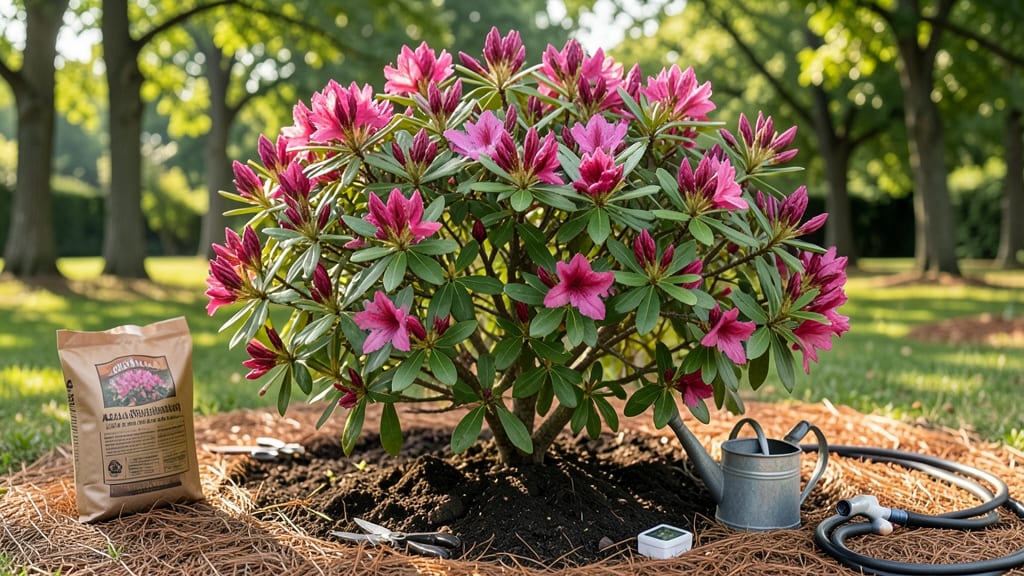
How to keep azaleas blooming—it’s easier than you think. ✨ These showstopping shrubs need three key things: precise pruning, the right food, and consistent deadheading. I’ve turned my once-sparse azaleas into a riot of color by mastering these three steps—no fancy tools or secret formulas required. The secret starts with acidic soil (pH 4.5–6.0) and a balanced fertilizer high in phosphorus. Most gardeners overlook soil prep, but azaleas are divas—they demand it. Feed them in early spring and again after blooming, and watch buds form like clockwork. Prune right after flowering to encourage next year’s blooms, never in fall or winter. By summer’s end, you’ll have clusters of blooms that last weeks longer than your neighbors’. The foliage stays glossy, the branches fill out, and you’ll finally get the longer color seasons you’ve been dreaming of. No more sparse stems or half-hearted flowers—just lush, vibrant displays. Works for both in-ground and container azaleas. Let’s get those buds popping!
📚 In This Guide
- What you need
- Instructions
- Tips and common mistakes
- Wrapping up and next steps
What you need
- ● Pruning shears or loppers – Sharp, clean, and sterilized (rubbing alcohol or bleach solution works). Size: Bypass pruners for small branches, loppers for thicker stems.
- ● Garden gloves – Heavy-duty to protect against thorns and rough bark. Recommended: Nitrile-coated for grip and durability.
- ● Fertilizer – Acid-loving plant fertilizer (e.g., azalea/camellia blend or slow-release granules). Quantity: Follow package instructions (typically 1-2 lbs per 100 sq ft).
- ● Mulch – Pine bark or pine fines (3–4 inches thick) to retain moisture and acidity. Avoid cedar or cypress mulch—it’s too acidic.
- ● Watering can or hose with a gentle spray nozzle – For deep, even watering (avoid overhead sprinklers to prevent fungal issues).
- ○ Deadheading scissors (optional but handy) – Small, sharp scissors for snipping spent blooms cleanly.
- ● Know your azalea’s bloom time – Prune right after flowering (late spring/early summer) to encourage next year’s blooms.
- ● Test soil pH – Azaleas thrive in acidic soil (pH 4.5–6.0). Use a soil test kit (available at garden centers).
- ● Clear the area – Remove weeds, grass, or debris around the base of the plant to reduce competition.
- ● Check for pests/diseases – Look for aphids, lace bugs, or powdery mildew. Treat early with neem oil or insecticidal soap if needed.
- ● Epsom salt (magnesium sulfate) – 1 tbsp per gallon of water as a foliar spray for green, vibrant leaves (use sparingly, 1–2 times per season).
- ● Compost or peat moss – Mix into soil annually to improve drainage and acidity.
- ● Plant food with micronutrients – Look for iron or manganese to prevent yellowing leaves.
- ● Shade cloth (30–50%) – If your azalea is in a hot, sunny spot, temporary shade can prevent stress.
Step-by-Step instructions for keeping azaleas blooming year after year
Azaleas reward consistent care with stunning, repeat blooms—here’s the exact routine I’ve used to extend their flowering seasons for decades.
✂️ Step 1: Prune After Blooming to Encourage Next Season’s Flowers
Wait until after all blooms have faded—usually late spring—before pruning. I always use clean, sharp pruners to make cuts just above a leaf bud or branch junction. This prevents unsightly stubs and promotes healthy regrowth.
Remove only dead or crossing branches first. Then, trim back any leggy growth by about one-third to encourage a bushier shape. The goal is to open up the center for better airflow and sunlight penetration, which both reduce disease risk and stimulate more flower buds.
Never prune in fall or winter—you’ll remove next year’s flower buds before they’ve formed. Azaleas set buds on old wood, so heavy pruning too late in the season cuts off potential blooms entirely.
🌿 Step 2: Feed with Acid-Loving Fertilizer in Early Spring
Azaleas thrive on acidic soil with pH between 4.5 and 6.0. In early spring, before new growth appears, apply a slow-release azalea fertilizer (look for one with high nitrogen but balanced phosphorus and potassium). I spread it evenly over the root zone and water it in thoroughly.
If your soil isn’t naturally acidic, add sulfur or peat moss to the top layer and mix lightly into the soil. You’ll notice leaves stay vibrant green and new shoots emerge within 2-3 weeks—that’s your sign the fertilizer is working.
Skip fall feeding—it encourages tender new growth that won’t survive winter. Over-fertilizing also leads to lush foliage but fewer blooms, so follow package instructions exactly.
💧 Step 3: Deadhead Spent Blooms Promptly for Continuous Color
Pinch or snip off faded flowers as soon as they drop. I use my fingers to twist off small blooms or pruners for larger clusters. This redirecting energy to new buds instead of seed production. You’ll see fresh blooms emerging within 4-6 weeks if you’re consistent.
Don’t wait until flowers turn brown—remove them when they start wilting. The longer you delay, the more energy the plant wastes on seed development. For azaleas, this means more flowers next season rather than fewer.
If you miss a few blooms, don’t stress. Even one or two spent flowers left on the bush won’t ruin your azalea’s performance—just stay vigilant after that.
☀️ Step 4: Provide Ideal Light and Water Conditions Year-Round
Azaleas prefer partial shade—morning sun with afternoon shade works best in hot climates. Too much direct sun scorches leaves, while too little shade reduces flowering. I watch for leaves turning yellow or wilting as signs of light stress and adjust placement accordingly.
Water deeply once a week during the growing season, ensuring moisture reaches 6 inches deep. Let the top inch of soil dry out between waterings to prevent root rot. Mulch with 2-3 inches of pine bark to retain moisture and maintain soil acidity.
In winter, reduce watering but never let the soil dry completely. Container-grown azaleas need more frequent watering than in-ground plants—they dry out faster and are more prone to stress.
⏰ Step 5: Winter Protection for Cold-Climate Azaleas
If you live in a region with below 10°F winters, protect your azaleas by wrapping the base with burlap or frost cloth in late fall. This shields roots from freezing temperatures. I also add a thick layer of mulch—4-6 inches deep—to insulate the soil.
Evergreen azaleas need extra care in harsh winters. Watch for browning leaves, which can indicate winter burn. If this happens, prune off damaged foliage in early spring to encourage fresh growth.
Spring is the best time to assess winter damage. Healthy azaleas will show new growth by mid-April, even if some leaves look frost-bitten. Never prune winter-damaged branches until you see new shoots emerging.
Tips & tricks for longer azalea bloom seasons
Timing and attention to detail make all the difference when it comes to keeping your azaleas vibrant for months.
Pruning Precision: When you're ready to prune after blooming (Step 1), focus on making clean cuts at a 45-degree angle just above a leaf bud. This angled cut helps water run off and prevents rot. I always sterilize my shears with rubbing alcohol between cuts to avoid spreading disease. The goal is to maintain that natural vase shape—never let your azalea become too dense in the center, as this reduces airflow and invites pests.
Fertilizer Timing Secret: The 4-6 week window before blooming (Step 2) is critical for bud formation. I mark my calendar to fertilize in early spring as soon as I see those first tender leaves pushing through. Pro tip: Split your fertilizer application into two doses—half when you see new growth, and the second half two weeks later. This gradual approach prevents shock and gives your azalea a steady nutrient supply without overwhelming it.
Deadheading Discipline: That 2-3 day frequency during peak bloom (Step 3) might seem tedious, but it's what keeps your azalea producing continuously. I set a reminder on my phone to check my azaleas every morning and evening. The moment a bloom cluster starts wilting, I snip it off cleanly. This isn't just about aesthetics—it's about redirecting the plant's energy toward new growth rather than seed production.
Seasonal Adjustments: In Step 4, remember that "partial shade" means different things in different climates. In hot, dry regions, afternoon shade is essential to prevent leaf scorch, while in cooler climates, morning sun helps prevent fungal issues. I adjust my mulch depth seasonally too—adding an extra inch in summer to retain moisture and reducing it slightly in winter to allow better drainage during rainy periods.
Pro Tips for Keep Azaleas Blooming
- Timing and attention to detail make all the difference when it comes to keeping your azaleas vibrant for months.
- Pruning Precision: When you're ready to prune after blooming (Step 1), focus on making clean cuts at a 45-degree angle just above a leaf bud.
- Fertilizer Timing Secret: The 4-6 week window before blooming (Step 2) is critical for bud formation.
Frequently asked questions
Got questions about keeping your azaleas in peak bloom?
Here are answers to the most common ones—so you can enjoy those vibrant flowers all season long!
Why aren’t my azaleas blooming this year?
Azaleas often skip blooms due to over-fertilizing with high-nitrogen food (which encourages leaves over flowers) or poor pruning timing. They also need acidic soil (pH 4.5–6.0)—test yours! If they’re young, they may still be establishing roots. Patience and the right care can bring them back!
When is the best time to prune azaleas for more blooms?
Prune right after flowering (late spring to early summer) to shape the plant and encourage next year’s buds. Avoid pruning in fall or winter—this removes next season’s flower buds! Use clean, sharp shears and trim no more than 1/3 of the plant to avoid stress.
Do azaleas need special watering to keep blooming?
Yes! Azaleas love consistent moisture but hate soggy roots. Water deeply 1–2 times per week (more in extreme heat) and mulch around the base to retain humidity. Drought stress can cause buds to drop, so keep soil evenly damp during growing season.
Are there any natural remedies to revive azaleas with fewer blooms?
Try these low-cost fixes:
- Epsom salt soak: Mix 1 tbsp per gallon of water and apply monthly to boost magnesium (helps flowering).
- Coffee grounds: Sprinkle around the base to acidify soil naturally.
- Compost tea: Brew homemade tea to feed beneficial microbes and improve soil health.
Can I use regular garden soil to replant azaleas for better blooms?
No—azaleas need acidic, well-draining soil. Mix 50% peat moss or pine bark with 50% garden soil and add sulfur or aluminum sulfate to lower pH if needed. Avoid compost-heavy soil, which raises pH and stunts blooms.
Wrapping up and next steps
Keeping your azaleas blooming beautifully is all about timing, care, and consistency—whether it’s pruning at the right moment, feeding them with the right nutrients, or deadheading spent blooms. With a little attention to their needs, you’ll enjoy stunning color seasons year after year! 🌸
Ready to put these tips into action? Start with one task this weekend—like pruning or fertilizing—and watch your azaleas thrive. Happy gardening! 🌿